On 1st April, Frida Krifca took office as the new President of CIHEAM’s Governing Board.
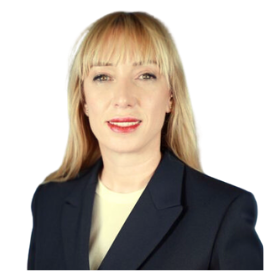
1 April 2023
"Today I officially take on the role of President of CIHEAM. (...) CIHEAM is involved in 90 transnational projects, mobilizing nearly 50 countries, and involving more than 600 different organizations and research centres in agriculture. It is a great privilege and a huge responsibility of Mediterranean countries that mandated for the first time an Albanian and for the first time a woman, in the position of the President of this important organization (...). My main objective will be to reposition the Mediterranean region at the centre of the political agendas of the different countries. The reasons are economic, such as trade and agriculture, food and non-food products and market access. We have a long way to go and I am very honoured to undertake this journey with you."
— Frida Krifca, President of the CIHEAM Governing Board
Mrs Frida Krifca is Minister of Agriculture of Albania as of September 2021.
She has 22 years of experience in administration and management, with a special focus on the development and strengthening of the financial sector, use of financial services and business development, meeting national, international and international economic, legal and structural objectives.
During the period July 2017 – September 2021 she held the position of General Director in the Agency for Agricultural and Rural Development where she was responsible for the administration of state budget support schemes in support of farmers, ensuring transparency and guaranteeing control mechanisms in investments and payments.
During the period November 2020 – February 2021, Mrs Krifca was a Guest Lecturer at the Faculty of Economics and Agribusiness, Agricultural University of Tirana in the Rural Development Course, for the subject Rural Economics.
In the period October 2013 – July 2017, Mrs Krifca held the position of Director General of USAID Financial Services Voluntary Bodies, where she provided technical assistance to public financial institutions and has identified, developed and managed numerous development, financial, fiscal and legal projects in Albania and other countries.
During the 151st Meeting of the CIHEAM Governing Board, she was elected President of the CIHEAM Governing Board, taking duties on April 1st 2023.
CIHEAM Bari announces the opening of 2023-2024 application campaign for its Master of Science Programmes.
Applications can be registered online from 1 April to 31 May 2023.
Under the sections EDUCATION/MASTERS it is possible to find all info concerning the four Masters as well as more details about admission conditions and procedure.
On 27 March 2023, the Albanian Minister of Agriculture Frida Krifca, accompanied by CIHEAM Bari’s Deputy Director Biagio DI Terlizzi, visited the laboratories of the National Food Agency (AKU) in Durres that have been upgraded with the equipment funded by the Italian Development Cooperation Agency (AICS) under the SAFIAL project implemented by CIHEAM Bari.
Minister Krifca expressed her appreciation to AICS and welcomed CIHEAM Bari's commitment, pointing out that such equipment will help improve safety of food products on the Albanian domestic market and strengthen controls of quarantine diseases. Thanks to this investment, collaboration with CIHEAM Bari and the Italian Cooperation is further expanded to jointly address the sector's development priorities.
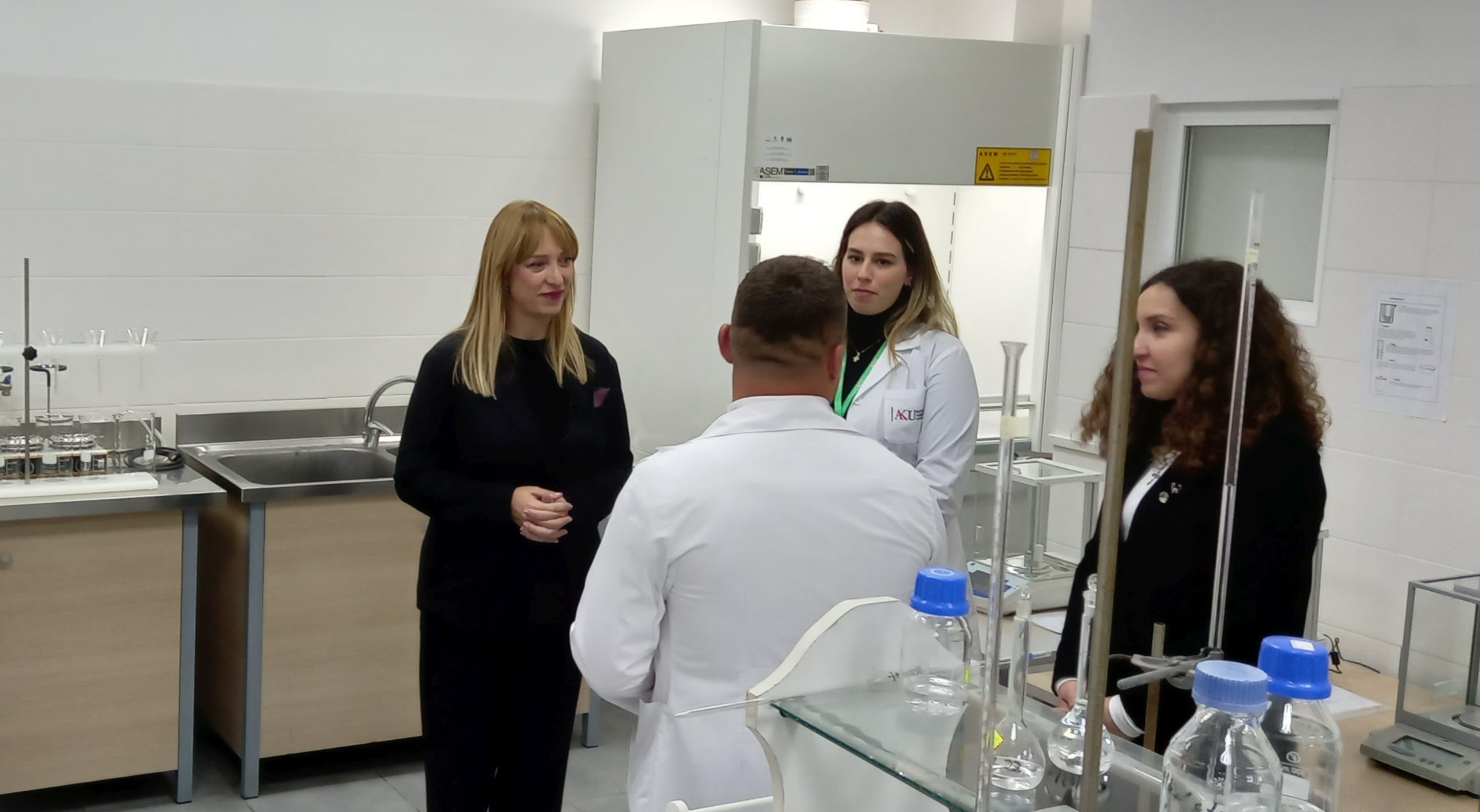
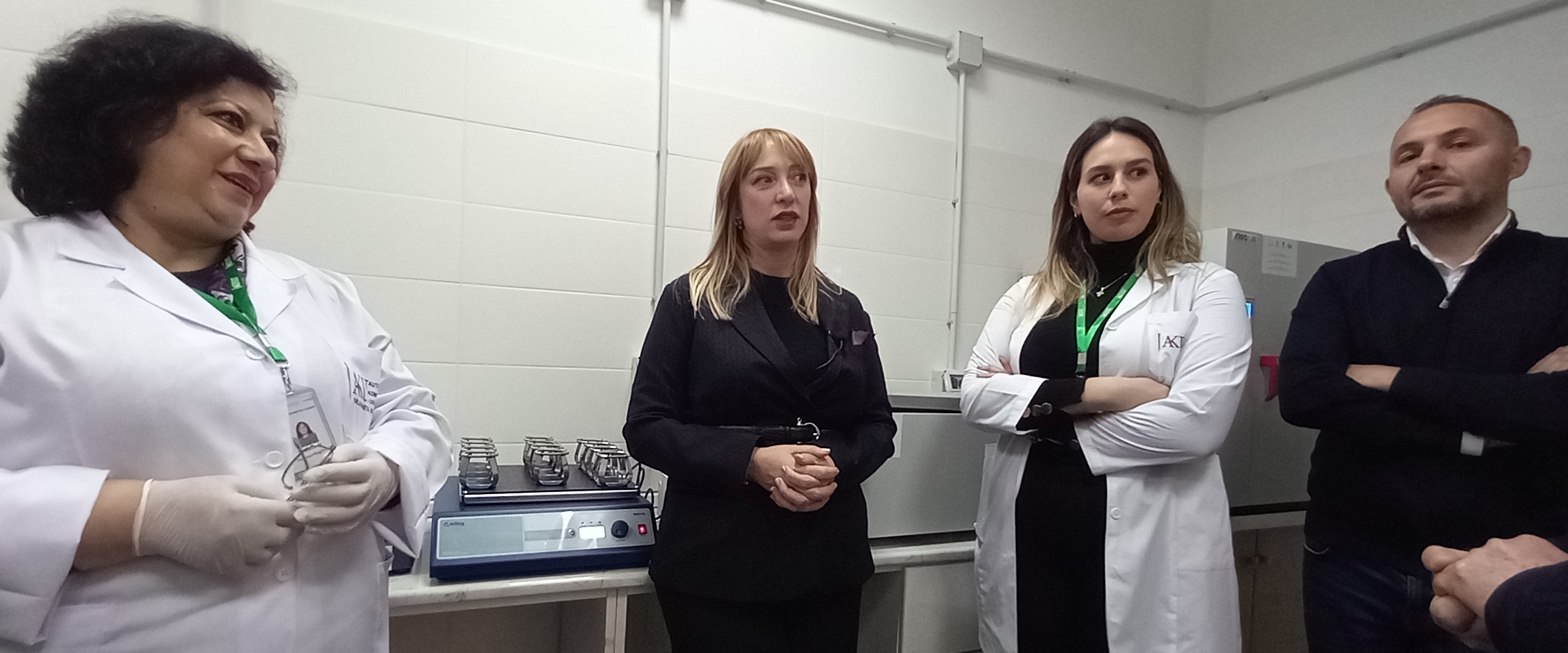
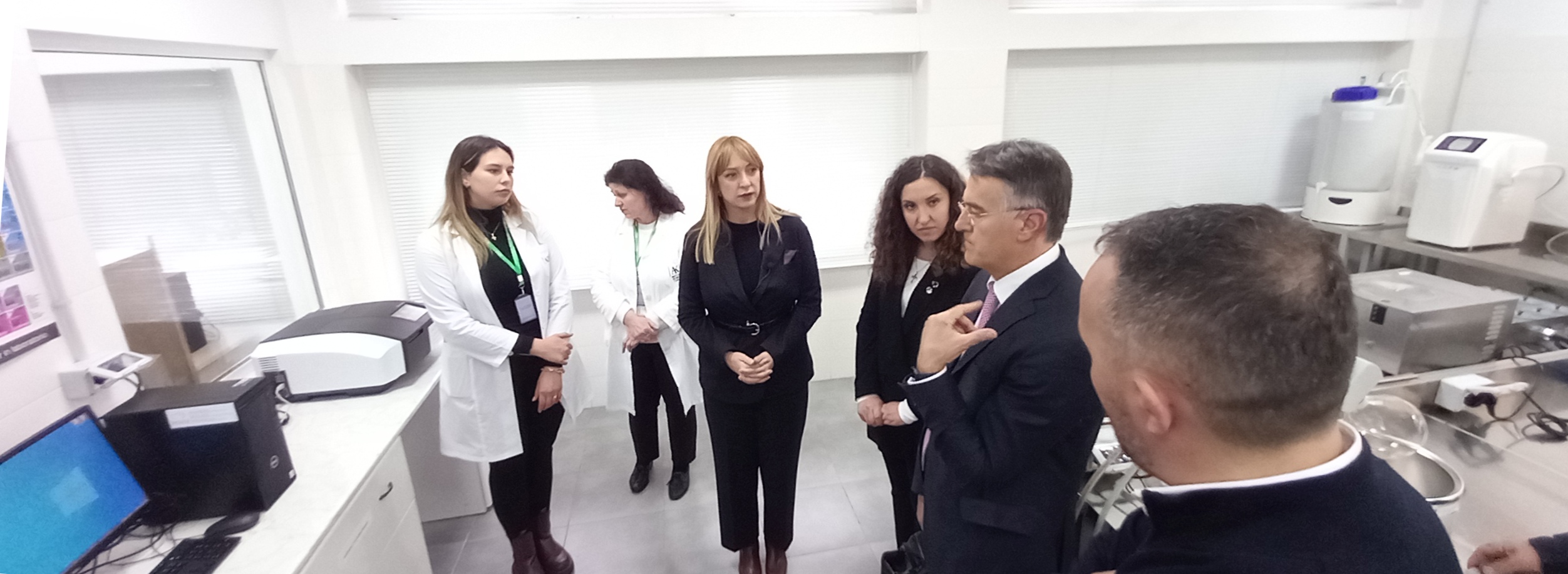
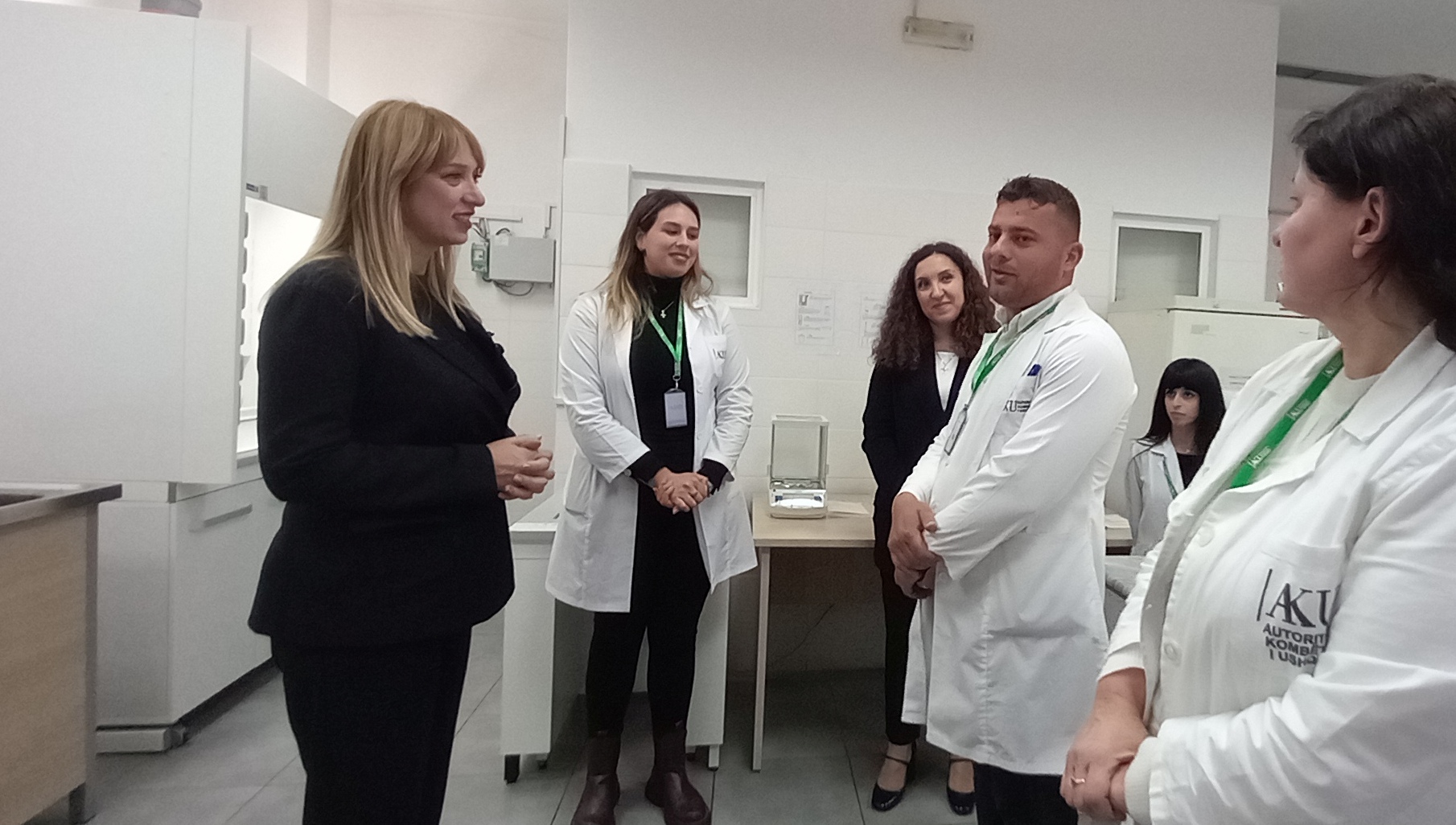
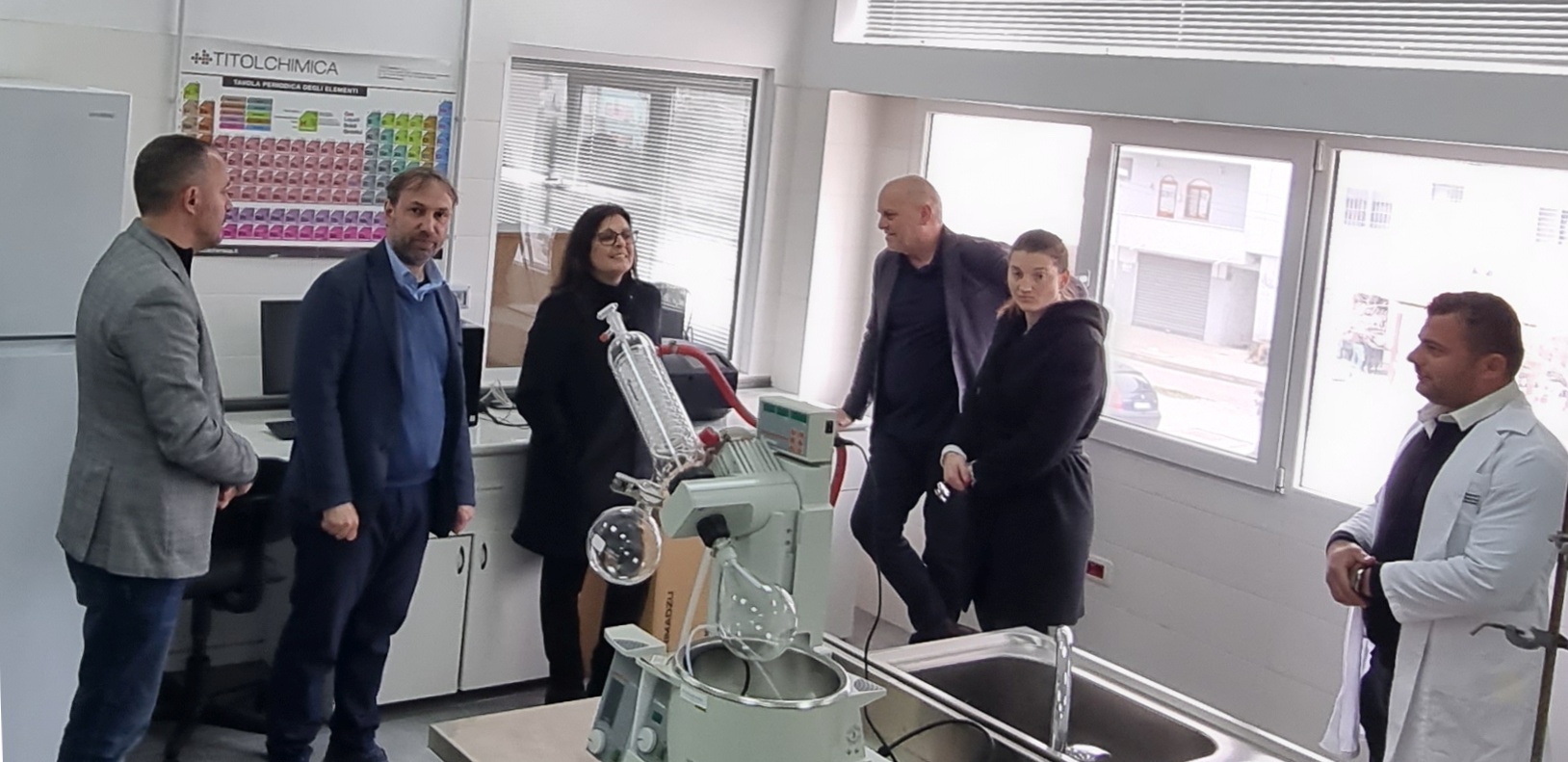
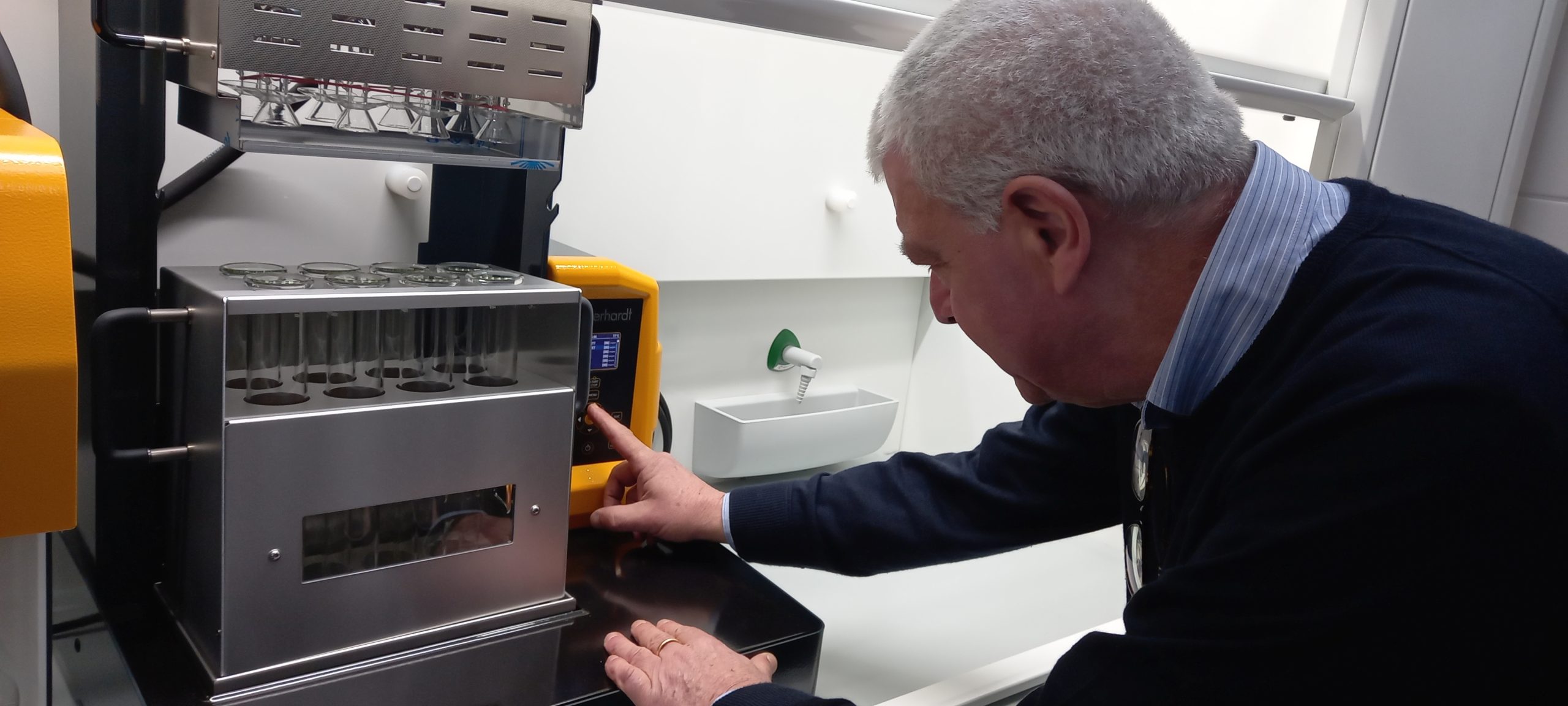
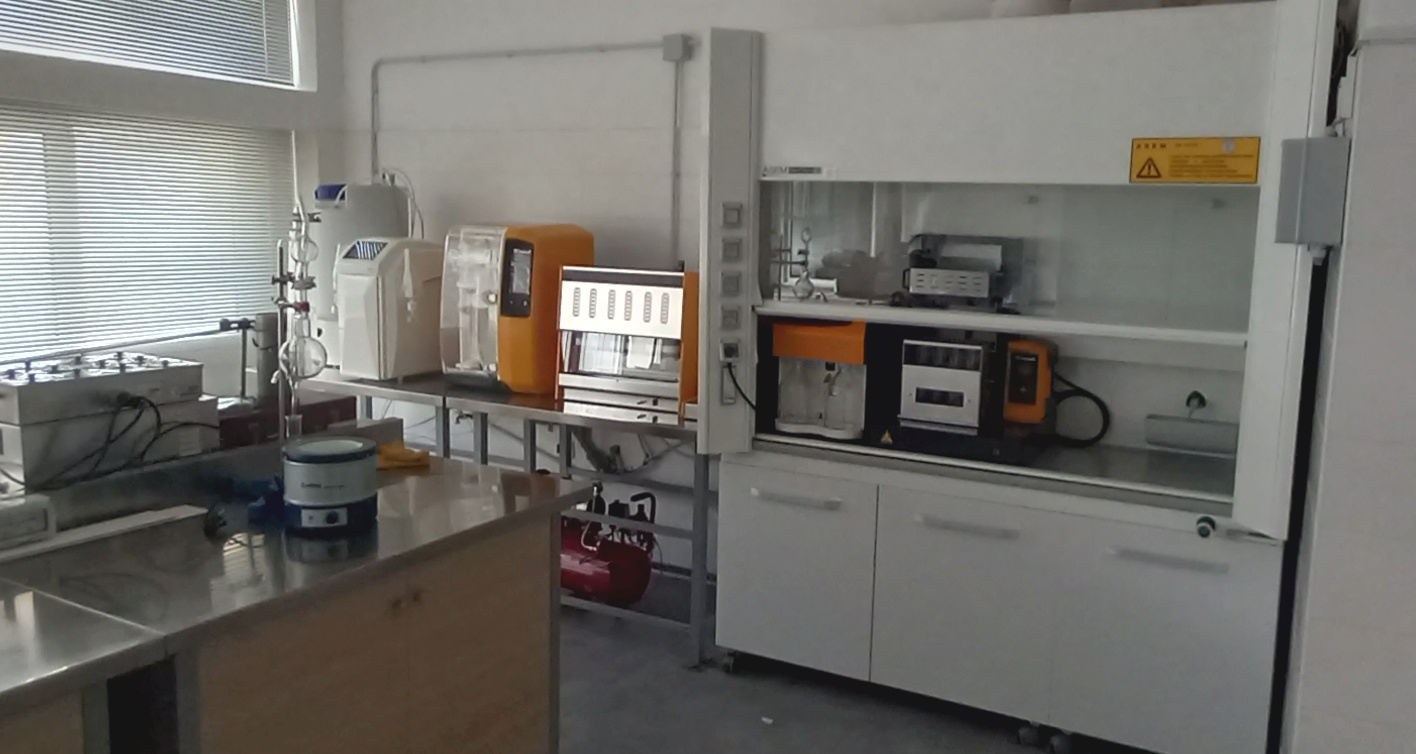
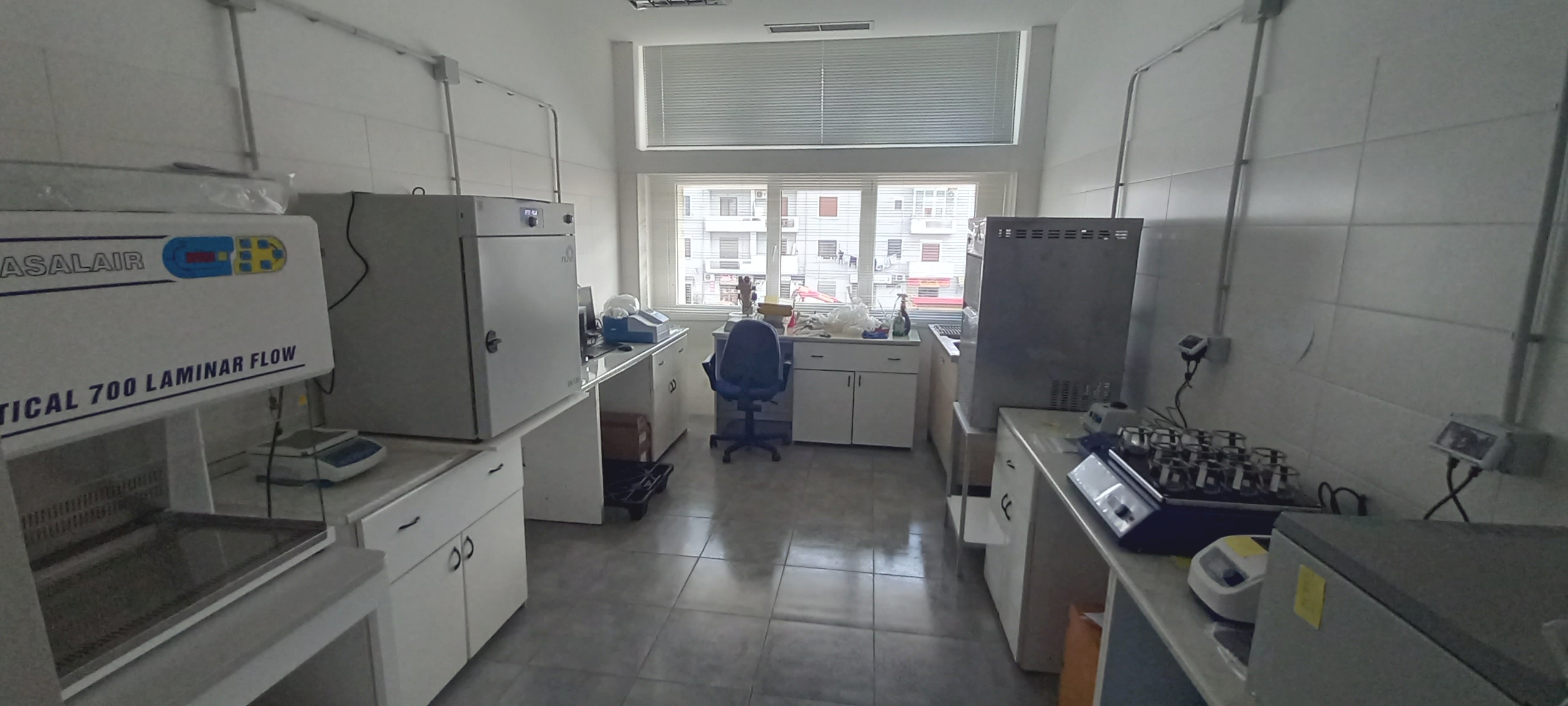
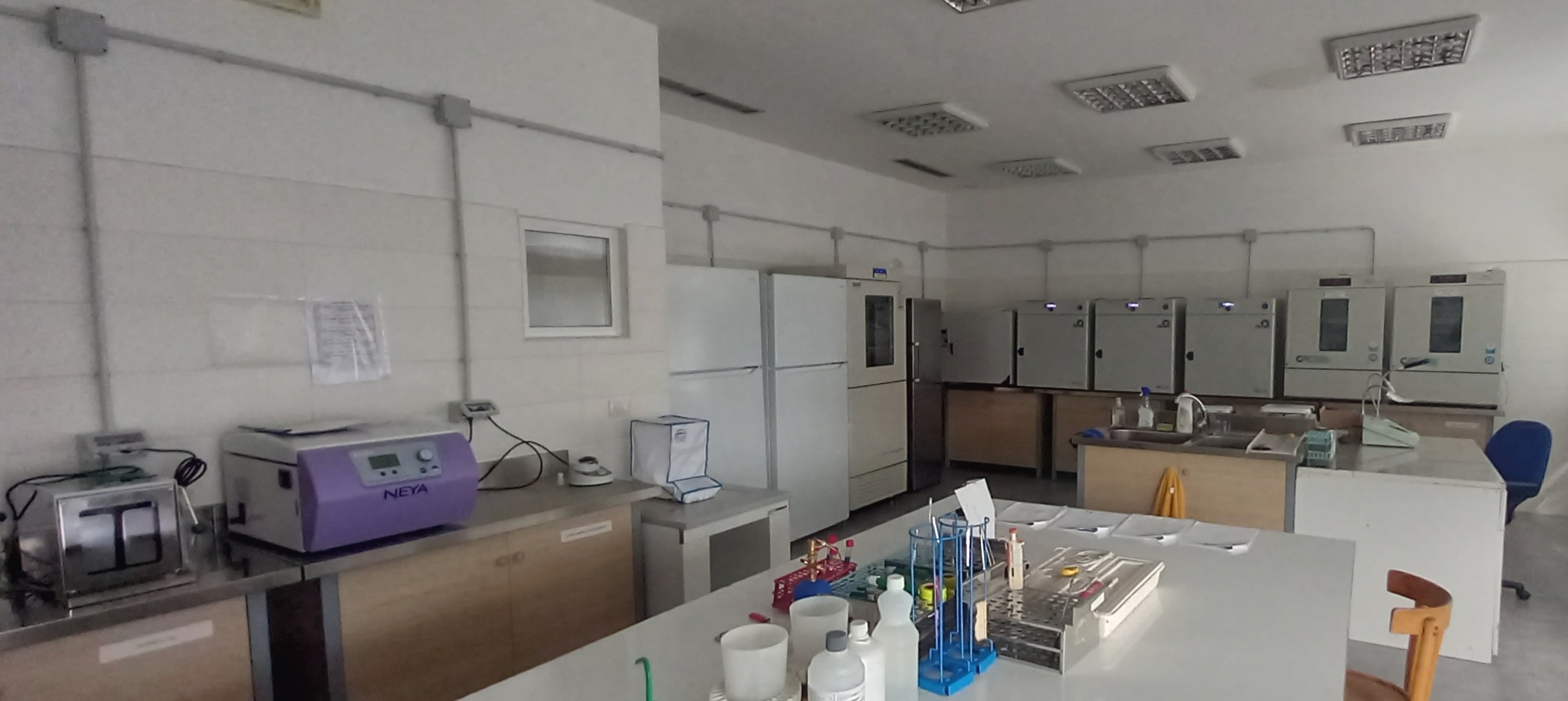

Il 27 marzo 2023, la Ministra dell'Agricoltura albanese, Frida Krifca, alla presenza del Direttore aggiunto del CIHEAM Bari, Biagio Di Terlizzi, ha visitato i laboratori dell'Agenzia Alimentare Nazionale (AKU) di Durazzo che sono stati riqualificati con le attrezzature finanziate dall'Agenzia Italiana per la Cooperazione allo Sviluppo (AICS), nell'ambito del progetto SAFIAL realizzato dal CIHEAM Bari.
La Ministra Krifca, nel ringraziare l'AICS, ha espresso apprezzamento per l'impegno del CIHEAM Bari, sottolineando che tali attrezzature contribuiranno a migliorare la sicurezza dei prodotti alimentari sul mercato interno albanese e a rafforzare i controlli per le malattie da quarantena. Grazie a questo investimento, si consolida la collaborazione con il CIHEAM Bari e la Cooperazione italiana per affrontare le priorità di sviluppo del settore.
La guerra in Ucraina, con il conseguente aumento dell’inflazione che colpisce i prezzi del carrello della spesa e mette a rischio la sicurezza alimentare, ha avuto pesanti ricadute in Puglia dove è raddoppiato il numero delle famiglie in povertà relativa, balzate oramai a 440mila. Tuttavia, è tutta la popolazione mondiale - salita a 8 miliardi di persone - ad essere in difficoltà. Di queste, infatti, più di 1 su 10 (828 milioni) soffre la fame aggravata dalle conseguenze del mix micidiale dei cambiamenti climatici, della pandemia Covid e della guerra. Per sostenere i redditi degli agricoltori, soprattutto nelle zone più povere del pianeta dove sono più vulnerabili, e garantire gli approvvigionamenti alimentari, nasce l’alleanza tra il CIHEAM Bari e la Coalizione Mondiale dei Farmers Market promossa da Coldiretti e Campagna Amica, di cui saranno illustrati il raggio d’azione e le potenzialità giovedì 30 marzo 2023, dalle ore 11:30, presso l’aula magna del CIHEAM Bari, Campus “C. Lacirignola” (Via Ceglie 9, Valenzano).
All’evento della rete mondiale dei mercati contadini dai campi al mare parteciperanno: il direttore del CIHEAM Bari Maurizio Raeli, il direttore di Fondazione Campagna Amica Carmelo Troccoli, il presidente protempore della World Farmers Markets Coalition Richard Mccarthy, la case history di Filippo De Miccolis Angelini sulla vendita diretta e la multifunzionalità. Le conclusioni saranno affidate al direttore di Coldiretti Puglia, Pietro Piccioni. La delegazione si trasferirà il 31 marzo a Tricase presso la sede periferica del CIHEAM Bari per promuovere la nascita di mercati dei pescatori e la presenza nei farmers market in tutto il mondo.
La World Farmers Market Coalition è uno strumento per la diffusione dei mercati contadini nel mondo con un’attenzione particolare ai Paesi in via di sviluppo. Essa accompagna, da una parte i governi verso l’adozione di un quadro normativo specifico e, dall’altra, assiste le associazioni locali degli agricoltori nello sviluppo di reti come quella di Campagna Amica in Italia, della Farmers Market Coalition negli Stati Uniti o come in Paesi che in tutti i continenti danno vita a sistemi del cibo locale, offrendo supporto a livello tecnico-legale, di comunicazione e di formazione per manager e agricoltori.
The 5th edition of CASSINI Hackathon Italy, an international contest that seeks to develop new concepts, products or services which positively impact the European defence and security industry, took place at Fiera del Levante in Bari on 24-26 March.
Some students from CIHEAM Bari, including Ferdaous Ben Hadj Slama (Tunisia), Edward Opeyemi Oladipupo (Nigeria), Matthew Efosa Efoli (Nigeria), Mohammed Djalil Baaziz (Algeria), Amina Kechuindi and Nidal Hawari (Palestine), participated in Challenge No. 2, "Making the seas more secure", with the FEMMAN project. By using advanced predictive analysis of satellite imagery to track fishing activities and fishing gear in the Mediterranean Sea, the project provides groundwork for solving the challenge of illegal fishing.
The team applied the tools and methodologies acquired as part of the Master's programme in Open Innovation, bringing a startupper's mindset to propose innovative solutions to complex problems, and won an award in the Diversity & Inclusion category.
The event was organised by Planetek Italia, a partner company of the Master in Open Innovation, and Sprint Lab, in collaboration with the Italian Space Agency, Apulian Aerospace District, AIKO, D-Orbit, Latitudo40, negg, OnData, University of Bari and Bari Polytechnic.
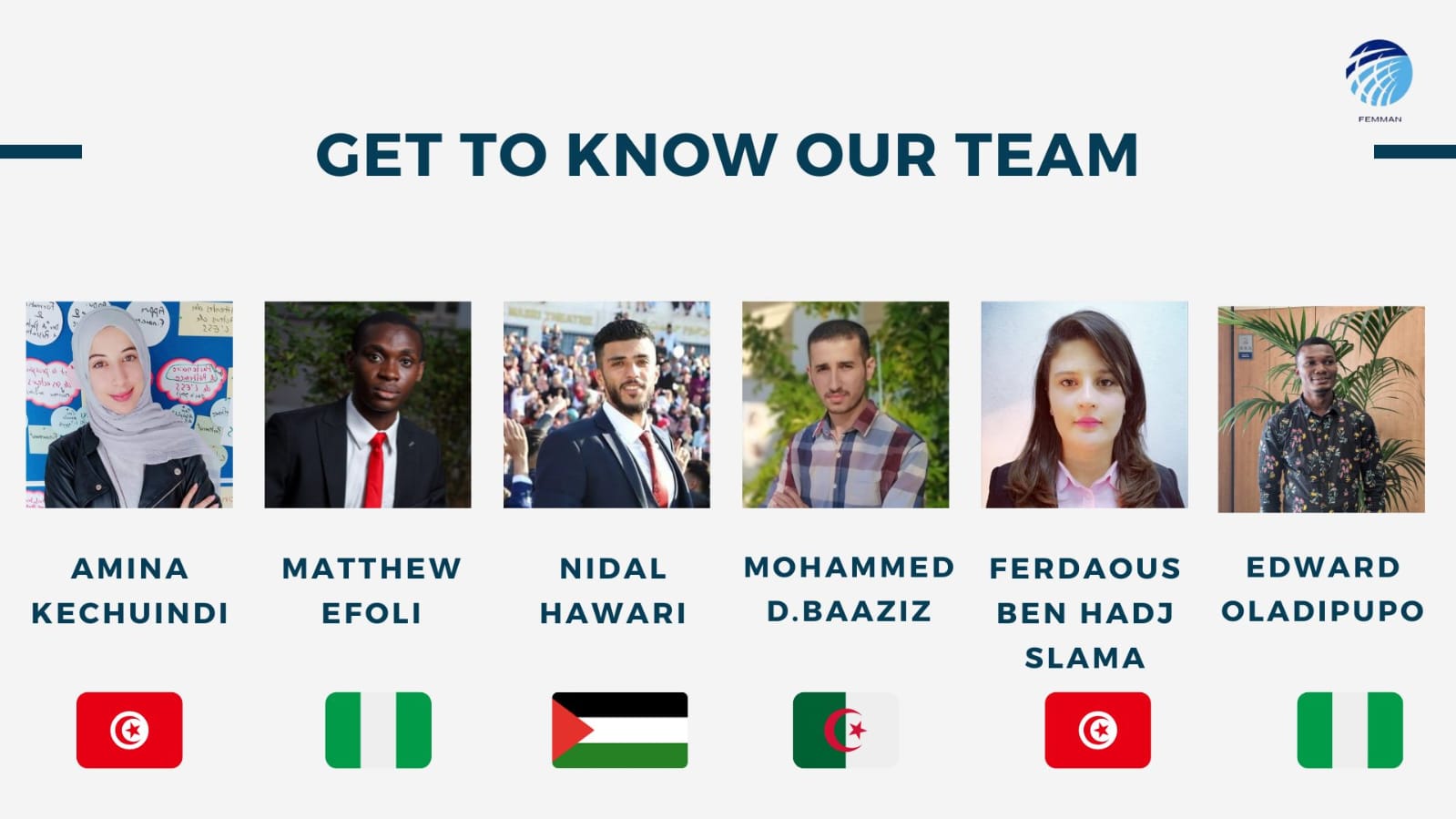
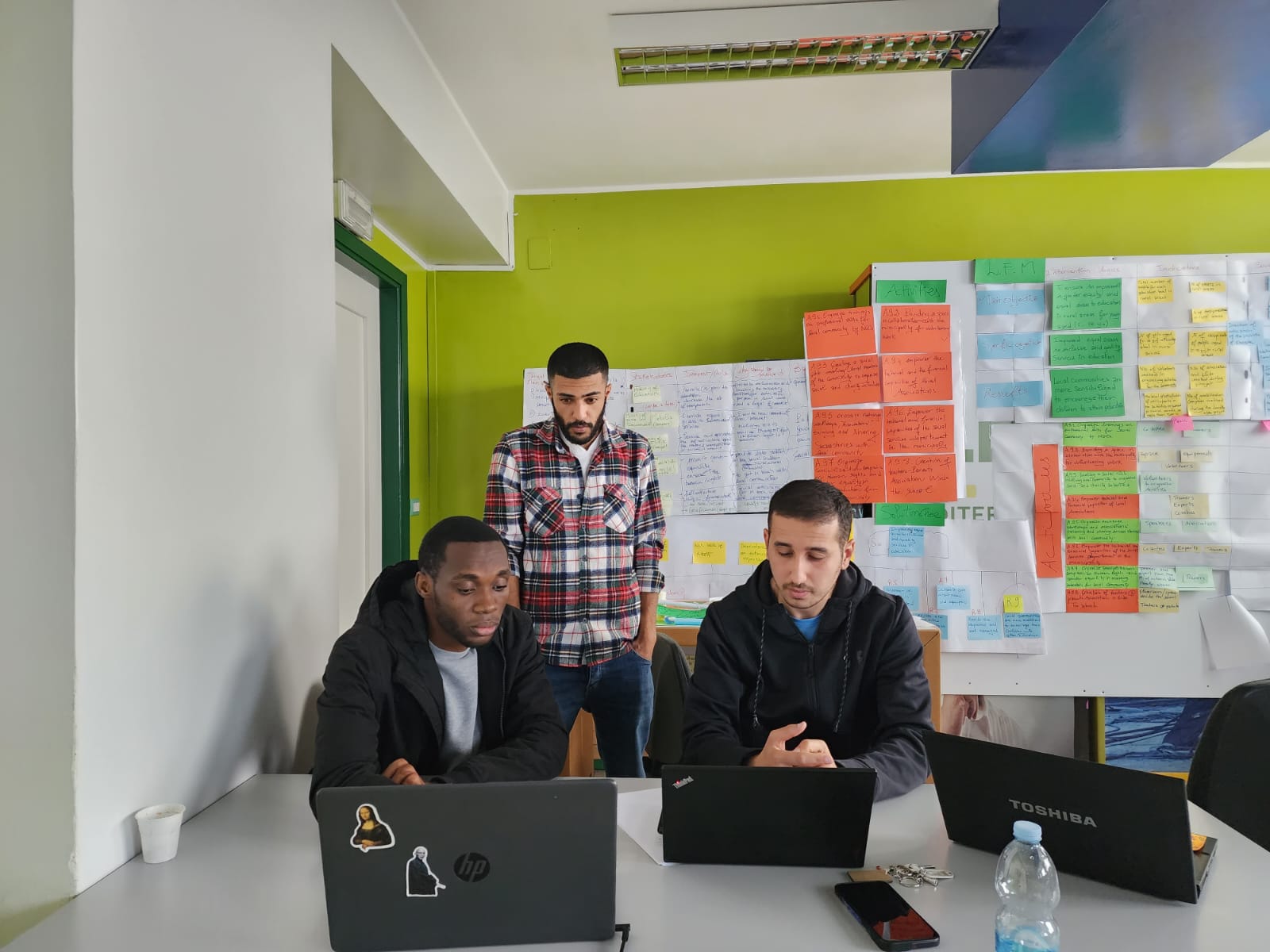
Dal 24 al 26 marzo si è tenuta alla Fiera del Levante di Bari la 5a edizione del CASSINI Hackathon Italia, un format internazionale che mira a sviluppare nuovi concetti, prodotti o servizi con un impatto positivo sul settore europeo della difesa e della sicurezza.
Un gruppo di studenti del CIHEAM Bari, tra cui Ferdaous Ben Hadj Slama (Tunisia), Edward Opeyemi Oladipupo (Nigeria), Matthew Efosa Efoli (Nigeria), Mohammed Djalil Baaziz (Algeria), Amina Kechuindi e Nidal Hawari (Palestina), ha partecipato alla Challenge N° 2 "Making the seas more secure” con il progetto FEMMAN. Utilizzando l'analisi predittiva avanzata delle immagini satellitari per tracciare le attività e le attrezzature di pesca nel Mar Mediterraneo, il progetto pone le basi per una soluzione alla sfida della pesca illegale.
Il team ha applicato gli strumenti e le metodologie acquisiti nell'ambito del Master in Open Innovation mettendo in campo un mindset da startupper per proporre soluzioni innovative a problemi complessi. La proposta è stata premiata nella categoria Diversity & Inclusion.
L'evento è stato organizzato da Planetek Italia, azienda partner del Master in Open Innovation, e Sprint Lab, in collaborazione con Italian Space Agency, Apulian Aerospace District, AIKO, D-Orbit, Latitudo40, negg, OnData, Università di Bari e Politecnico di Bari.
The CIHEAM Secretary General, Mr. Teodoro MIANO, participated in the bilateral dialogue that took place yesterday in Tirana between the Ministries of Agriculture of Albania, Mrs. Frida KRIFCA, and of Italy, the Ministries of Agriculture, Food Sovereignty and Forestry of Italy, Mr. Francesco LOLLOBRIGIDA, and in presence of the Vice Minister of Italian Foreign Affairs Ministry, Mr. Edmondo CIRIELLI.
The meeting was the occasion to present the results of SAFIAL, an international project of cooperation funded by the Italian Agency for Development Cooperation (AICS) and implemented by the CIHEAM Bari.
The encounter had an important institutional dimension for the CIHEAM in view of the imminent assumption of office (1 April 2023) of Mrs. Frida Krifca, as President of the CIHEAM.
The CIHEAM, represented by its Secretary General Mr. Teodoro MIANO, had a privileged place during the day of bilateral exchanges held between the Albanian and Italian Ministries of Agriculture, in the presence of the Vice-Minister of Italian foreigners, Mr. Edmondo CIRIELLI.
After the signing of a bilateral memorandum of understanding for agricultural cooperation between Albania and Italy, Mr. MIANO presented the SAFIAL project to the national authorities and the CIHEAM know-how and expertise in the implementation of international activities while recalling the importance of regional cooperation in the agri-food sector in response to the various crises that are severely impacting the Mediterranean region.
Mr. Teodoro Miano underlined the role of CIHEAM in supporting local administrations in setting up technical assistance processes for farmers, for the development of innovative technologies in sustainable food systems, or in terms of targeted investments for youth. The Secretary-General added that "CIHEAM's paramount action is to promote innovative and resilient agricultural models within the framework of One Health, drawing on the potential of the Mediterranean diet and targeting the resilience of local communities".
For the CIHEAM Bari, the Deputy Director, Dr Biagio Di Terlizzi, was present.
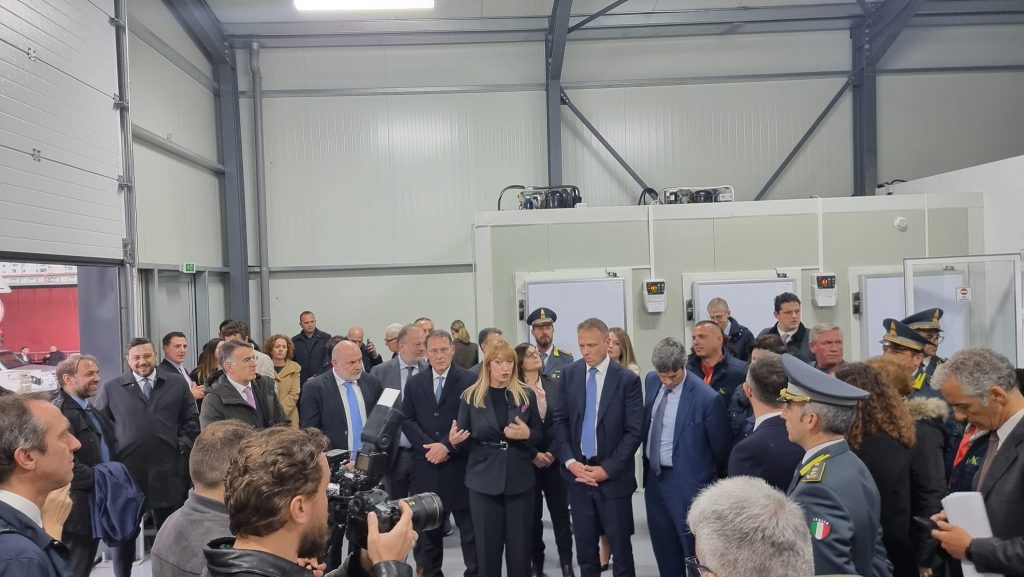
SAFIAL is the name of a project of cooperation funded by the Italian Agency for Development Cooperation (AICS) and implemented by the CIHEAM Bari in Albania from May 2021 onwards. The project aims to strengthen the Albanian institutions that manage the national food safety system, in particular the National Food Agency (AKU), the Institute for Food Safety and Veterinary Medicine (ISUV), and the National Veterinary and Phytosanitary Authority (AKVM), which all come under the Albanian Ministry of Agriculture and Rural Development (MARD). In the framework of this project, a new border inspection post (BIP) for the Albanian Food Agency has been fully constructed and equipped in Durres, a port city in western Albania on the Adriatic Sea. The facility will be fully operational by April 2023.
The Albanian Ministry of Agriculture greatly appreciated the project for its innovative character and its compliance with European standards. For these reasons, they identified the new BIP in Durres as a model to be adopted in the other border posts within the framework of a World Bank program.
The meeting was also an opportunity for the CIHEAM's new Secretary General Mr. Teodoro Miano to exchange views with Ms. Frida Krifca, who will take up her position as President of the CIHEAM Governing Board as of 1 April 2023. They discussed the prospects for action for the intergovernmental organization over the next years, highlighting possible synergies and complementary areas of interest.
Albania is a CIHEAM member country since 1992. A wide range of actions has been carried out in the Country through dynamics of knowledge sharing, technical assistance, formation, and multilateral political dialogues, all aimed at strengthening the Albanian stance on issues such as biodiversity protection, food security, and natural resources and coastal zone management.
CIHEAM’s field activities involve researchers, operators in the agricultural and tourist sector, institutional representatives, residents, and local communities. Over the years, cooperation has intensified, allowing the CIHEAM to participate, together with scientific institutions, in the process of harmonization of standards and in the legislative adaptation of the departments of the Ministries of Agriculture and the Environment, in sight of the negotiations for the accession of Albania to the European Union.
On March 20 2023, the OliveCulture (‘Holistic and Multi-professional Mechanism for a Pakistani Olive Oil Value Chain’) team, along with CIHEAM Bari’s experts Costantino Parma and Giuseppe Cavallo, visited the olive nurseries at the Agricultural Research Institute in Quetta.
Over 40 operators, including technicians and farmers participated in the visit during which Giuseppe Cavallo emphasised the need to adopt modern nursery-raising practices, use quality soil media and planting material, and apply proper grafting techniques. The assessment activity was combined with practical training on modern nursery management.
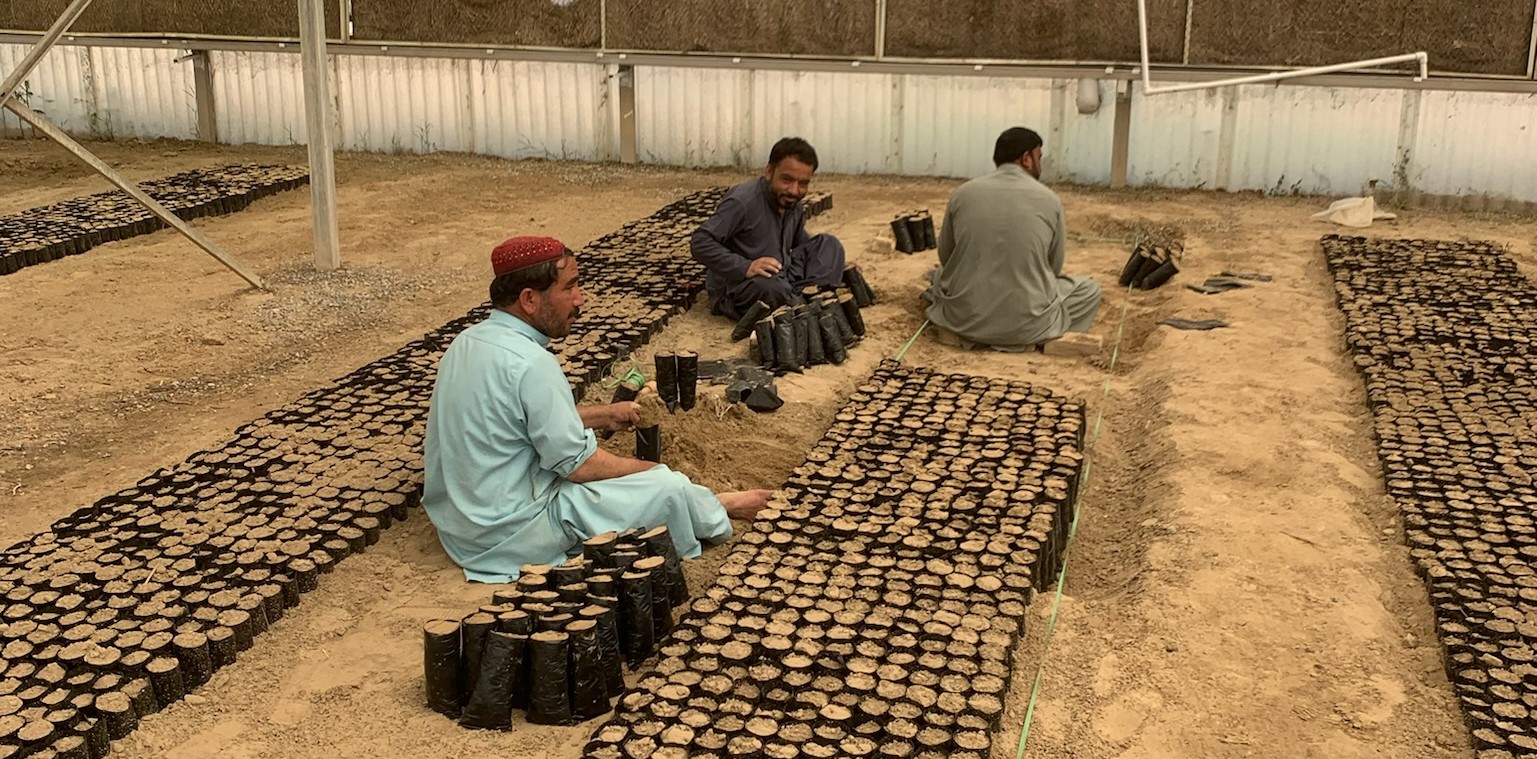
The OliveCulture team also visited the Baluchistan Agricultural Research and Development Centre (BARDAC) to observe and assess the status of the nursery planting materials grown in advanced greenhouses and tunnels.
On March 21 2023, the OliveCulture team travelled to Abdul Jabbar farm in Sarki Jungle Loralai district, a remote area well-suited for training in olive tree nursery and Standard Operating Procedures (SOPs), focusing on promotion, certification and standardisation. The farm grows more than 3500 plants of different varieties, namely Arbequina, Arbosona, Coratina, Frantoio, Genlik, and Leccino, and covers an area of 60 acres.
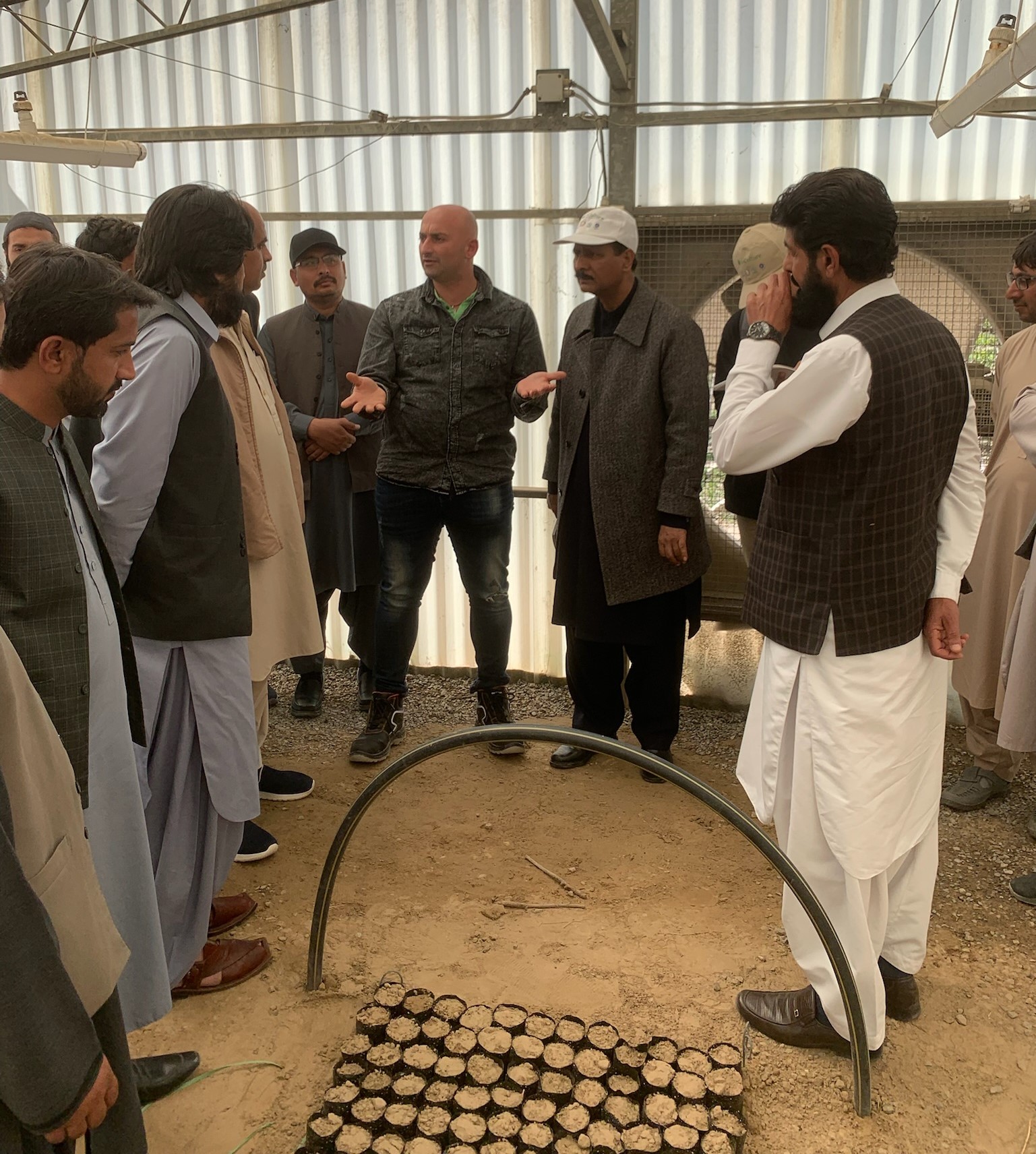
Moreover, a training session on SOPs in nursery management was organised in Loralai with over 85 participants, including technicians, farmers, and representatives of the Baluchistan Ruler Support Program (BRSP). Giuseppe Cavallo gave a practical demonstration of modern SOPs for nursery management, highlighting the need for a standardisation and certification scheme.
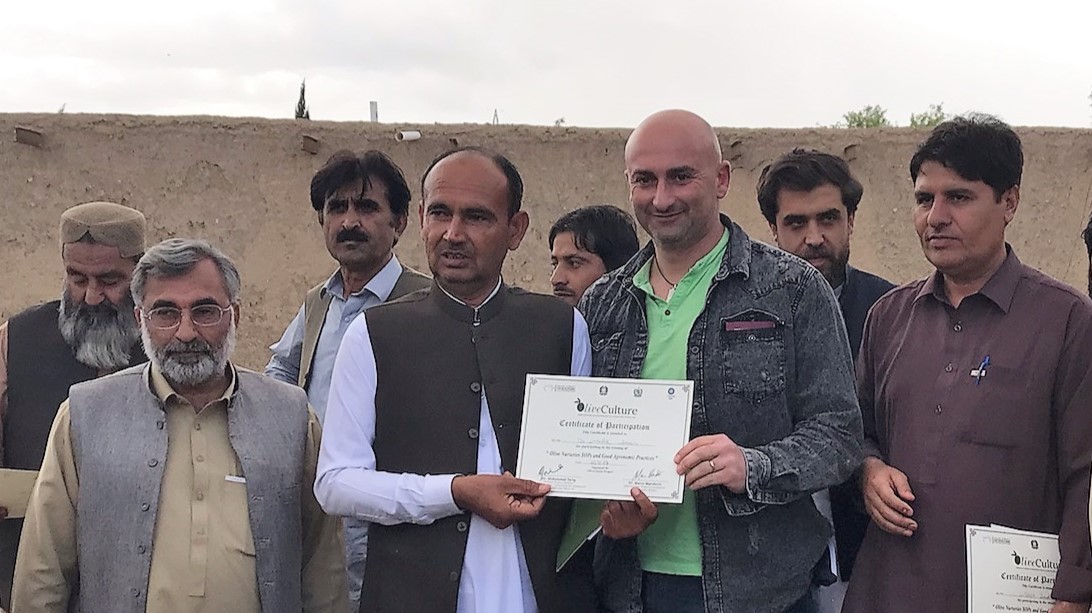
All the farmers, technicians and operators were awarded an attendance certificate and received brochures in English and Urdu illustrating the main features of the olive’s cultivation and Good Agricultural Practices (GAPs). At the end of this two-day event, Costantino Parma and Giuseppe Cavallo planted some young olive plants to deliver a positive message to promote this crop.
Through these training activities, the OliveCulture project aims to reach Pakistan’s remote and high-risk areas to promote modern nursery practices and standardisation and certification of the olive crop. The theoretical and practical sessions held by CIHEAM Bari’s experts attracted wide participation and interest from local farmers and technicians. Raising awareness on the use of Good Agricultural Practices for the olive tree will help improve the productivity and quality of the crop across the country.
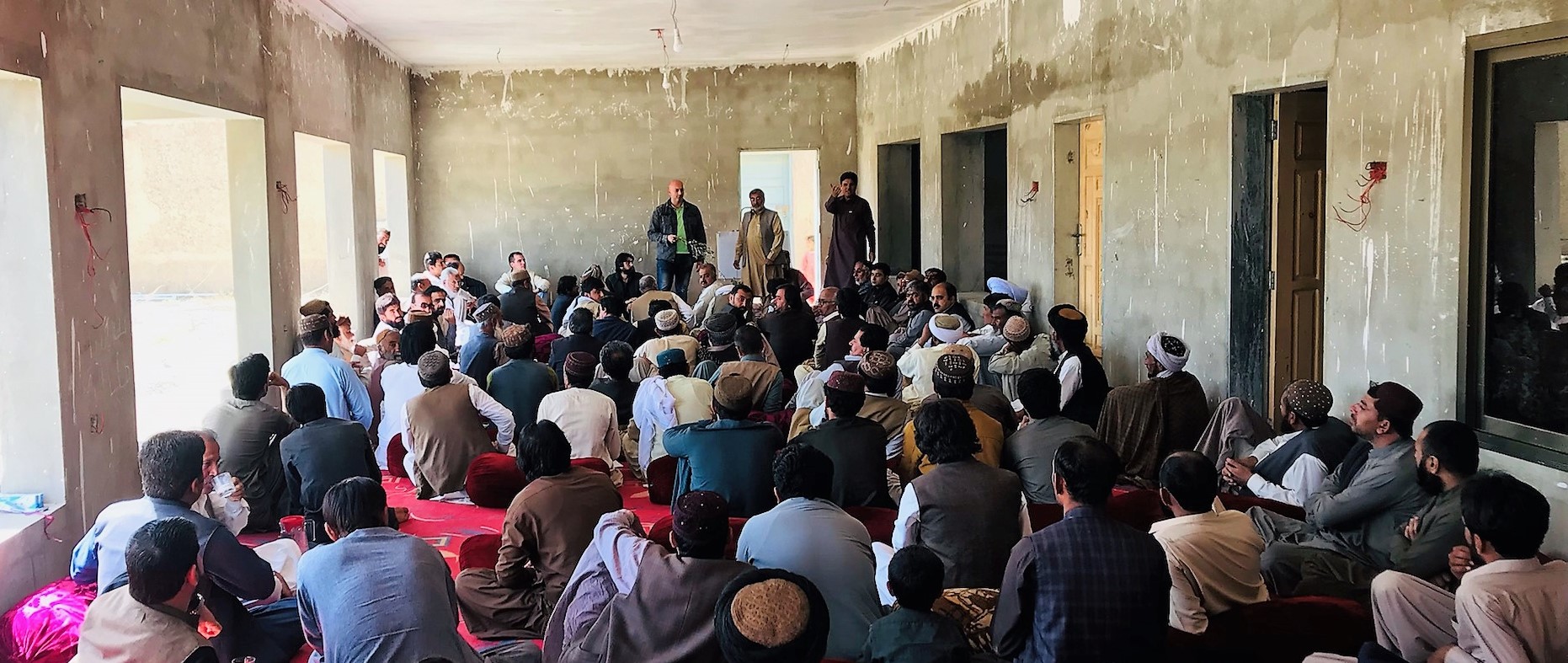
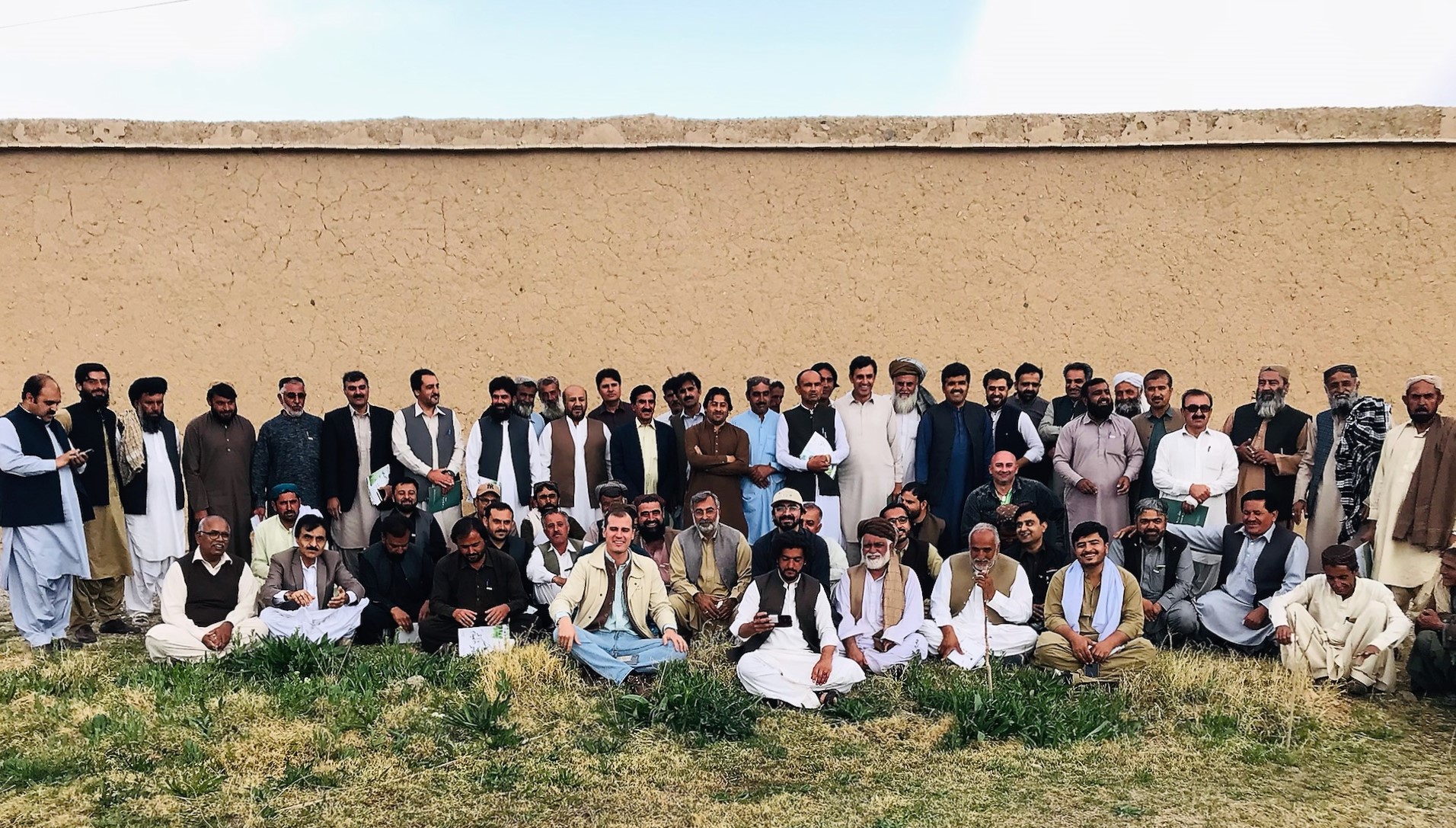
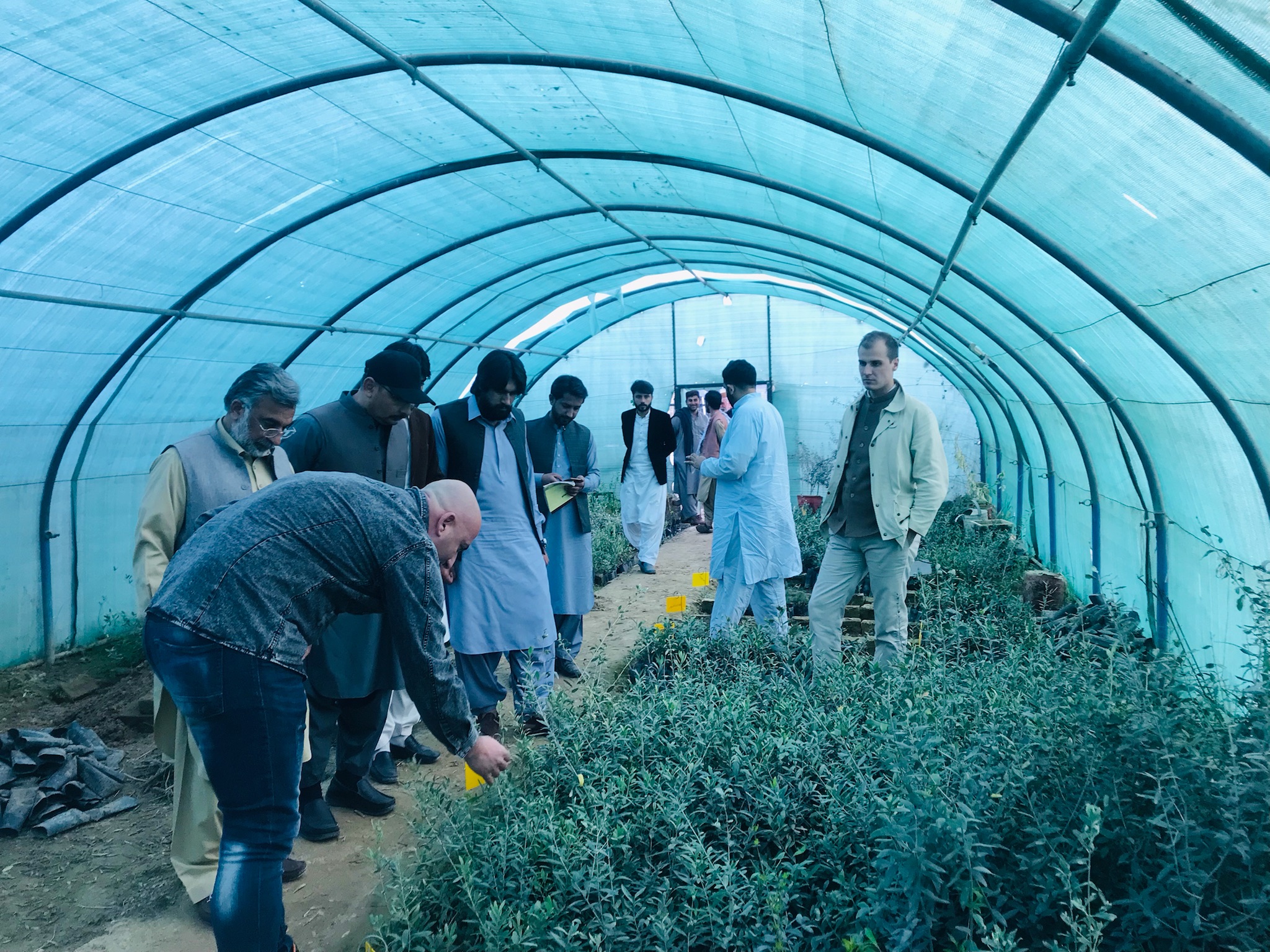
Il 20 marzo 2023, il team del progetto OliveCulture (“Holistic and Multi-professional Mechanism for a Pakistani Olive Oil Value Chain” ), accompagnato dagli esperti Costantino Parma e Giuseppe Cavallo del CIHEAM Bari, ha visitato i vivai olivicoli dell'Istituto di Ricerca Agricola di Quetta.
Oltre 40 operatori, tra tecnici e agricoltori, hanno partecipato alla visita durante la quale Giuseppe Cavallo ha sottolineato la necessità di adottare pratiche moderne di conduzione, di utilizzare terricci e materiale vegetativo di qualità e di impiegare tecniche d’innesto adeguate. All’attività di valutazione è stata associata una formazione pratica sulla gestione moderna dei vivai.
Il team di OliveCulture, ha visitato anche il Centro di Ricerca e Sviluppo Agricolo del Belucistan (BARDAC) per verificare e valutare lo stato dei materiali vivaistici nelle serre e nei tunnel di ultima generazione.
Il 21 marzo, il team di OliveCulture si è poi recato nell'azienda agricola “Abdul Jabbar”, nel distretto di Sarki Jungle Loralai, un'area remota e idonea per la formazione sul vivaismo olivicolo e sulle Procedure Operative Standard (SOP), con particolare riferimento alla promozione, alla certificazione e alla standardizzazione. L'azienda dispone di un patrimonio di oltre 3500 piante di diverse varietà, tra le quali Arbequina, Arbosona, Coratina, Frantoio, Genlik e Leccino, e si estende su una superficie di circa 25 ettari.
Inoltre, a Loralai è stata organizzata una sessione di formazione dedicata alle SOP per la gestione dei vivai, alla quale hanno partecipato oltre 85 operatori, tra cui tecnici, agricoltori e rappresentanti del Baluchistan Ruler Support Program (BRSP). Giuseppe Cavallo ha effettuato una dimostrazione pratica delle moderne SOP per la conduzione dei vivai, evidenziando la necessità di dotarsi di un sistema di standardizzazione e certificazione.
A tutti gli agricoltori, tecnici e operatori del settore sono stati consegnati gli attestati di partecipazione insieme a delle brochure divulgative sull'olivo e sulle buone pratiche agricole (GAP) per questa coltura, in lingua inglese e urdu. Al termine delle due giornate, Costantino Parma e Giuseppe Cavallo hanno piantato degli astoni di olivo per lanciare un messaggio positivo per la promozione di questa coltura.
Attraverso queste attività di formazione, il progetto OliveCulture intende raggiungere le aree remote e a rischio del Pakistan per promuovere le moderne pratiche vivaistiche e i sistemi di standardizzazione e certificazione della coltura dell’olivo. Le sessioni teoriche e pratiche tenute dagli esperti del CIHEAM Bari hanno ottenuto un’ampia adesione e suscitato un grande interesse degli agricoltori e dei tecnici locali. La sensibilizzazione all’utilizzo delle buone pratiche agricole per l’olivo favorirà il miglioramento della produttività e della qualità della coltura in tutto il Paese.
The first International Workshop of the “Promoting EU integration through sustainable agriculture and green rural development in the EUSAIR non-EU countries” project was held in Mostar (Bosnia and Herzegovina) on 21st March 2023, gathering 58 experts from seven countries (Albania, Bosnia and Herzegovina, Croatia, Italy, Montenegro, North Macedonia, and Serbia).
The event was organized by CIHEAM Bari and the Directorate for European Integration of the Council of Ministers of Bosnia and Herzegovina. The project is funded by the Italian Ministry of Foreign Affairs and International Cooperation (MAECI) in support of Bosnia and Herzegovina during its Presidency of the EU Strategy for the Adriatic and Ionian Region (EUSAIR).
The workshop focused on ‘Strengthening the promotion of innovative start-ups and job opportunities in rural areas of the EUSAIR countries’.
Il 21 marzo 2023 si è tenuto a Mostar (Bosnia-Erzegovina) il primo workshop internazionale del progetto "Promoting EU integration through sustainable agriculture and green rural development in the EUSAIR non-EU countries", con la partecipazione di 58 esperti provenienti da sette Paesi (Albania, Bosnia-Erzegovina, Croazia, Italia, Macedonia del Nord, Montenegro e Serbia).
L'evento è stato organizzato dal CIHEAM Bari e dalla Direzione per l'integrazione europea del Consiglio dei Ministri della Bosnia-Erzegovina. Il progetto è finanziato dal Ministero degli Affari Esteri e della Cooperazione Internazionale (MAECI) a sostegno della Bosnia-Erzegovina nel suo periodo di presidenza della Strategia UE per la Regione Adriatica e Ionica (EUSAIR).
Tema del workshop “Il rafforzamento della promozione di start-up innovative e delle opportunità di lavoro nelle aree rurali dei Paesi EUSAIR”.
UniClaD: a project to improve universities' capacity to develop innovative and sustainable clusters
Improving universities' capacity to engage and participate in the development of clusters based on innovation and sustainability principles, strengthening collaboration between the business sector and Higher Education institutions (HEIs), is the main objective of the international project UniClaD (www.uniclad.net), with more than twenty partners from European and Asian countries and a budget of almost € 1 million. The project, which will last three years (2020-2023), is funded by the European Commission, under the Erasmus+ KA2 programme. UniClaD shall work across competence centres (agro-industrial clusters) set up within HEIs. The clusters will ensure and strengthen connections with other organisations, encourage farms to develop innovations created in HEIs and promote collaborative activities based on mutual interest. This will be possible through administrative support, a legal framework and research activities that meet real needs. In particular, clusters will be created in the field of agriculture, agrifood processing industry, with a focus on local products, biotechnology and poultry breeding, rural tourism, aquaculture and water management. The project is coordinated by the University of Applied Sciences of Kaunas (Lithuania) and brings together partners from Austria, Spain, Italy (CIHEAM Bari), Poland, Ukraine, Hungary, Moldova and Azerbaijan.
The programme will include training courses and study tours led by representatives of companies and scientific and research institutions. In addition, dedicated modules will be designed for masters and doctoral curricula. CIHEAM Bari will support the project thanks to its expertise and its network, developed over time, with the agri-food clusters in Italy, in particular by means of dissemination and enhancement actions and planning and organisation of study tours.
To learn more, download the UniClaD flyer here: (available in ENG, AZ, MD, UA , AU (German language), ES, HU and PL language version):
Azerbaijan | Moldova | Ukraine | Austria | Hungary | Lithuania | Italy | Poland | Spain | EU
CIHEAM Bari is organizing the Advanced specialized course in "Precision Agriculture for the Mediterranean Region" to train professionals from ministries and producer associations in Mediterranean countries with basic knowledge on Information Technology.
An opening workshop will also be held online, as part of the first unit of the course (April 12-18, 2023), to extend participation to other interested people in addition to participants selected to attend the whole course.
The workshop will include a series of seminars by experts from academia, research institutes and business associations to cover the following general topics: general concepts of precision agriculture with a multiscale and multisectoral approach, opportunities and constraints, key technologies, CIHEAM innovations, adaptation to the Southern Mediterranean context and role of technology producers and service providers.
People interested in the opening workshop can register at the following link, specifying the days they wish to attend.