Through a project poster exhibition and international networking activities, CIHEAM Bari highlights ROBOCOOP-EU's approach to agro-industrial by-product valorisation and circular bioeconomy innovation.
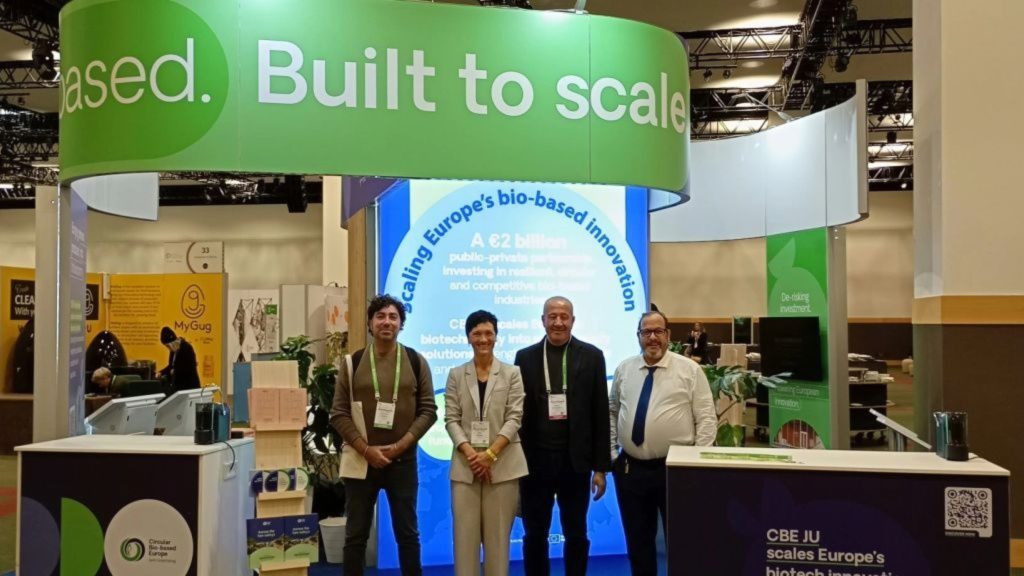
CIHEAM Bari participated in the Global Bioeconomy Summit 2026 (GBS2026), held in Dublin, Ireland, from 19 to 22 October, with the main Summit sessions taking place on 20–21 October at The Convention Centre Dublin.
Through a project poster exhibition, CIHEAM Bari presented the ROBOCOOP-EU project, highlighting its approach to the valorisation of agro-industrial by-products and exploring opportunities for knowledge exchange and collaboration within the international bioeconomy community.
Under the theme “Bioeconomy for socio-economic transformation and climate action,” GBS2026 brought together policymakers, researchers, industry representatives, investors and innovation stakeholders to discuss how biological resources, scientific advances and sustainable technologies can contribute to more resilient economies. The Summit addressed key challenges in advancing the bioeconomy, including sustainable biomass supply, investment, enabling policies and collaboration across sectors.
The ROBOCOOP-EU poster presented the project's approach to the valorisation of by-products from olive, grape and stone fruit value chains, exploring their potential for innovative and sustainable applications. The project investigates how technological valorisation pathways can be linked to environmental assessment, economic feasibility and the development of cooperative business models, with the aim of identifying circular bioeconomy opportunities for agricultural cooperatives.
This integrated approach brings together expertise in biomass characterisation, process development, product applications, sustainability assessment and business innovation. It also promotes stakeholder participation through regional Living Labs, connecting emerging technological opportunities with the needs and expectations of agricultural cooperatives and local stakeholders. By presenting ROBOCOOP-EU at GBS2026, CIHEAM Bari highlighted the potential role of agro-cooperatives in the transition towards more resource-efficient and circular agri-food systems.
Participation in GBS2026 formed part of ROBOCOOP-EU's communication, dissemination and exploitation efforts following the project's relaunch in June 2026. Beyond increasing the project's international visibility, the event offered opportunities to exchange knowledge and explore potential synergies with organisations working on sustainable biomass valorisation, bio-based innovation, regional development and circular business models.
The themes addressed at the Summit also reflected key aspects of ROBOCOOP-EU's approach: transforming agro-industrial by-products into sustainable opportunities requires not only technological innovation but also environmental and economic assessment, suitable business models and active stakeholder involvement. For Mediterranean agricultural cooperatives, the valorisation of existing agro-industrial resources could help diversify economic opportunities, strengthen regional value chains and support more sustainable resource management.
CIHEAM Bari's participation in GBS2026 contributed to the international visibility of ROBOCOOP-EU, highlighting the importance of connecting research, industry and agricultural cooperatives to advance circular bioeconomy solutions.
ROBOCOOP-EU is a European research and innovation project focused on developing circular bioeconomy opportunities and cooperative business models through the valorisation of agro-industrial by-products.
Project website: https://robocoop-project.eu/
Grant Agreement: 101112407
Programme: Horizon Europe – Circular Bio-based Europe Joint Undertaking (CBE JU)
Further information: https://gbs2026.org/
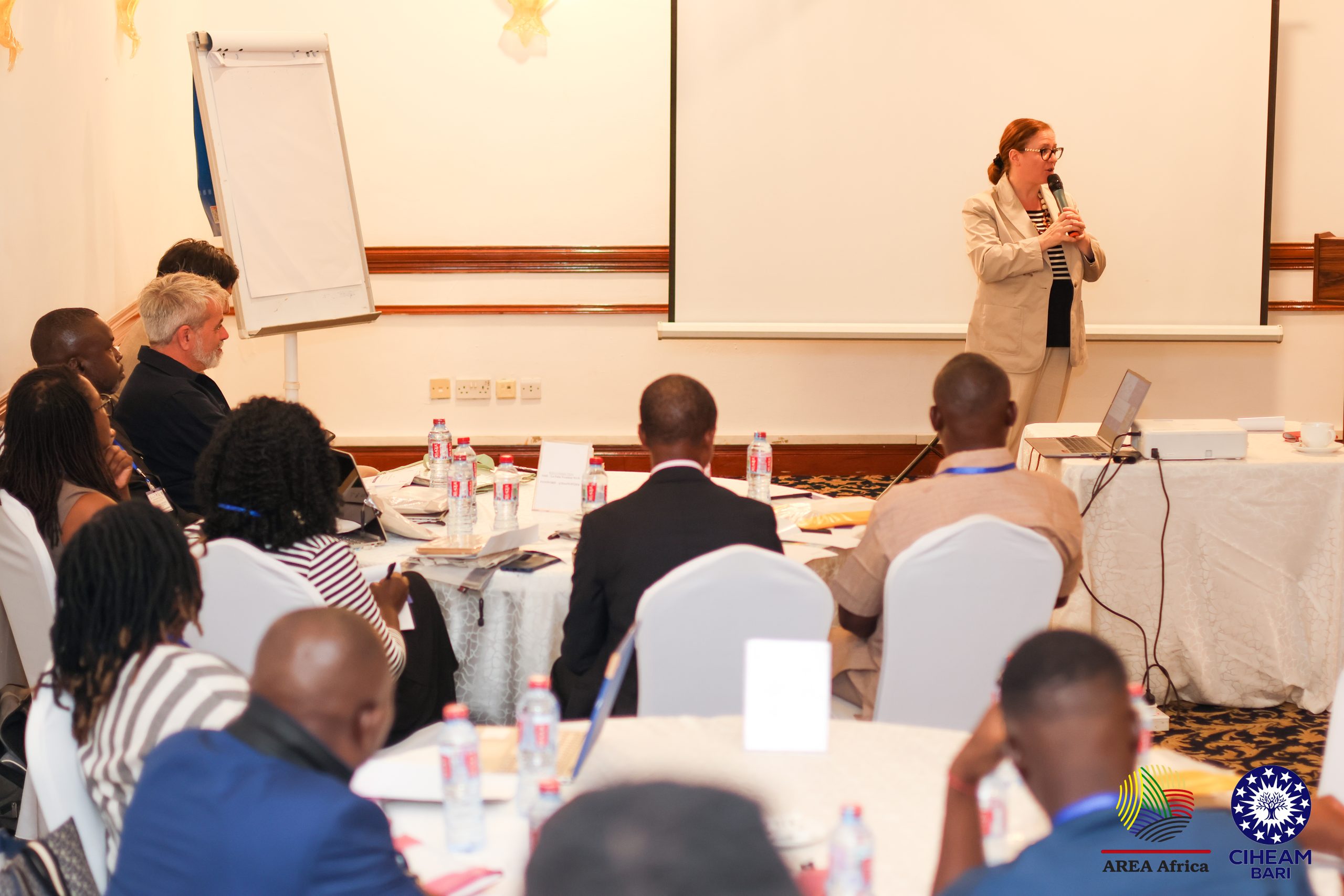
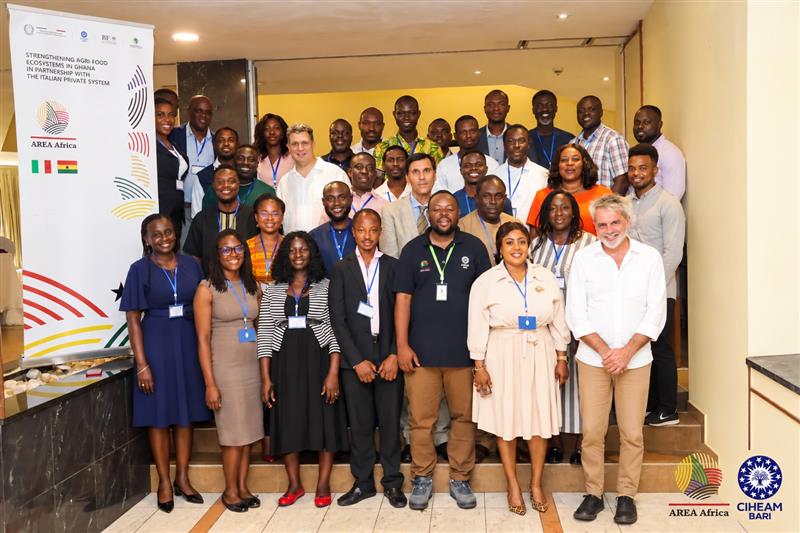
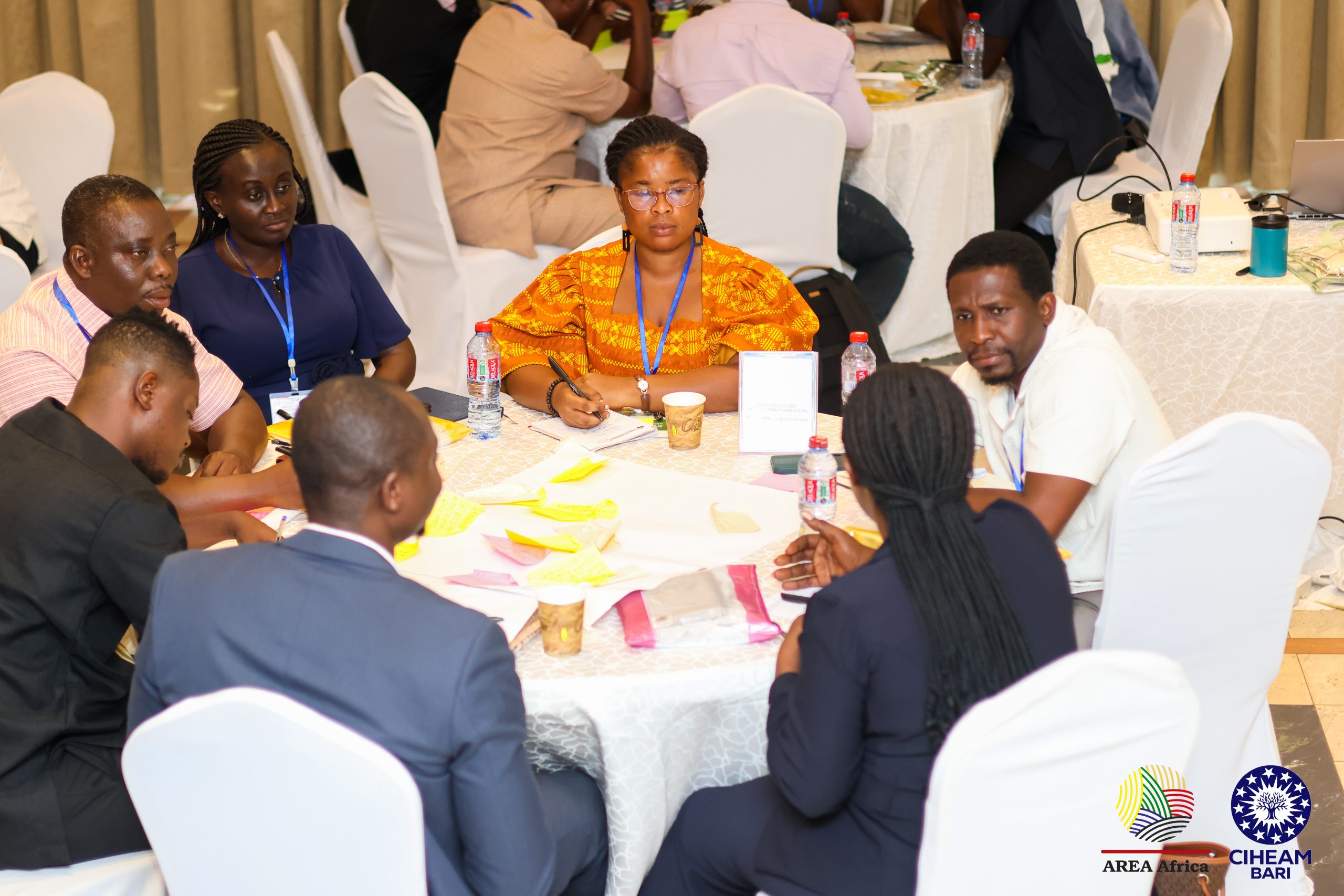
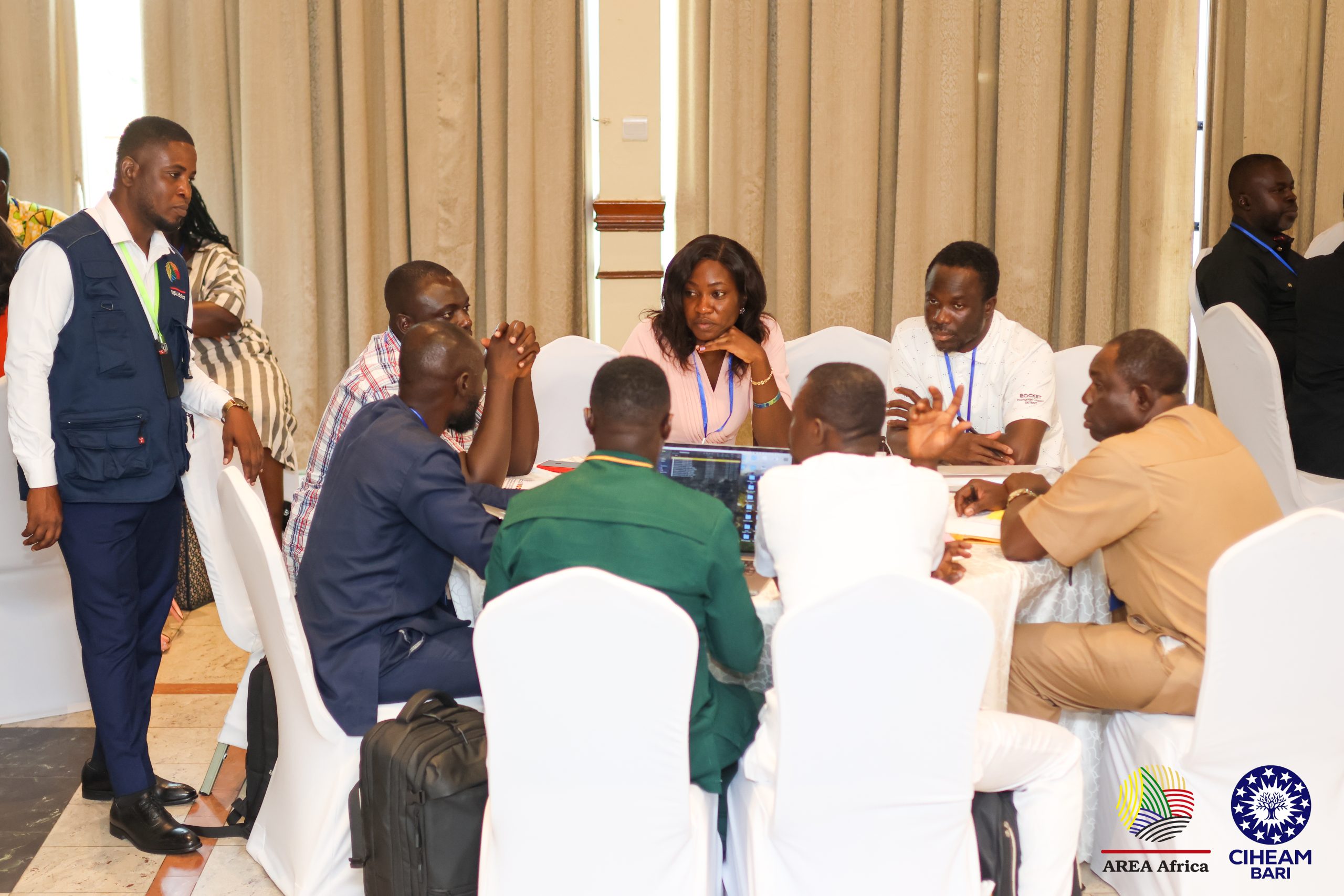
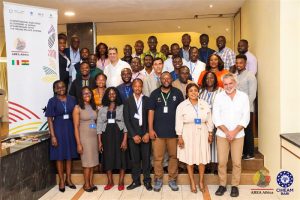
Accra, 20 October 2026 – The Stakeholder Validation and Action-Planning Workshop took place in Accra as part of the AREA Africa Ghana project. The event brought together the Italian Ambassador to Ghana, H.E. Mrs. Laura Ranalli, representatives of public and private Business Support Organisations (BSOs), and other key stakeholders from the country’s entrepreneurial ecosystem, including financial institutions, universities, public authorities and private businesses.
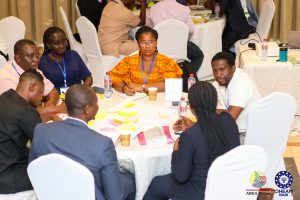
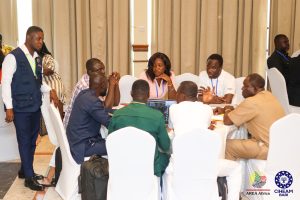
The discussions highlighted a clear priority: supporting startups and businesses that are already generating revenue (post-revenue) and shifting the focus towards enterprises with the greatest potential to create jobs, generate wealth and deliver lasting impact. Participants agreed on the need to direct support towards these businesses, while the BSOs committed to working together on the design of a growth acceleration programme based on CIHEAM Bari’s entrepreneurship support methodology.
A central focus of the event was strengthening Ghana’s innovation ecosystem and promoting youth entrepreneurship in the agri-food sector. The participating BSOs will contribute to the identification and support of 20 local startups through a structured process designed to strengthen entrepreneurial skills, foster innovation and improve access to financing opportunities.
The workshop was held under the project “Strengthening agri-food ecosystems in Ghana in partnership with the Italian private sector” – AREA Africa Ghana – which forms part of Italy’s broader international cooperation programme, implemented within a balanced public-private partnership framework under the Mattei Plan for Africa. It falls within the Action for the Strengthening of Agro-Food Ecosystems in Africa (AREA Africa), co-financed by the Italian Ministry of Foreign Affairs and International Cooperation (MAECI). Within this framework, CIHEAM Bari acts as knowledge partner and implementing body for the public component, while BF International acts as private partner. Ghana’s Ministry of Food and Agriculture (MoFA) is the national public partner.
Through AREA Africa Ghana, CIHEAM Bari is helping to strengthen cooperation between Italy and Ghana by promoting public-private partnerships, developing local expertise and creating new opportunities for young entrepreneurs in the agri-food sector.
Dal 23 al 27 novembre 2026 torna la Mediterranean Innovation Agrifood Week (MIAW), l’appuntamento internazionale promosso dal CIHEAM Bari per favorire l’innovazione, l’imprenditoria giovanile e la cooperazione nel settore agroalimentare tra Mediterraneo e Africa.
Il Campus “Cosimo Lacirignola” del CIHEAM Bari accoglierà ricercatori, startup, imprese, investitori, organizzazioni internazionali e rappresentanti delle istituzioni per cinque giornate di confronto, scambio di conoscenze e sviluppo di nuove opportunità di collaborazione.
Il programma prevede conferenze internazionali, panel tematici, masterclass, incontri di networking e presentazioni di progetti innovativi, con l’obiettivo di rafforzare gli ecosistemi dell’innovazione e sostenere lo sviluppo di sistemi agroalimentari più sostenibili e inclusivi.
Tra gli appuntamenti principali di questa sesta edizione figura l’AU–EU–Med Innovation Fair, in programma il 25 novembre e dedicata alla sicurezza alimentare e nutrizionale e all’agricoltura sostenibile. Organizzata congiuntamente da Unione Africana, Unione Europea e Unione per il Mediterraneo, in partenariato con il CIHEAM Bari, la manifestazione approda per la prima volta a Bari dopo le precedenti edizioni ospitate a Nairobi, Città del Capo, Il Cairo e Bruxelles. L’evento rappresenta un’importante occasione per rafforzare il dialogo tra ricerca, politiche pubbliche e mondo imprenditoriale, favorendo la trasformazione dei risultati scientifici in soluzioni concrete.
Le iscrizioni sono aperte attraverso il sito ufficiale della manifestazione, dove è possibile consultare il programma e tutti gli aggiornamenti.
Date: 23–27 novembre 2026
Sede: CIHEAM Bari, Via Ceglie 9, Valenzano (Bari)
Scopri il programma e registrati su www.miaweek.org
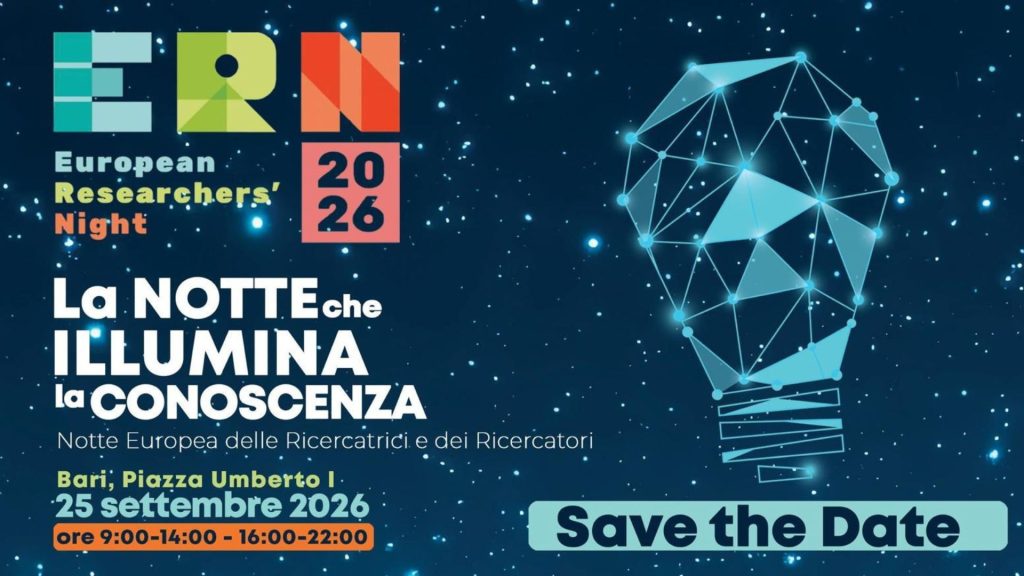
Ricerca, salute delle piante e sostenibilità saranno al centro delle attività che il CIHEAM Bari proporrà venerdì 25 settembre in Piazza Umberto I, nell’ambito della Notte Europea delle Ricercatrici e dei Ricercatori 2026.
Portare la ricerca fuori dai laboratori e avvicinarla ai cittadini, mostrando il suo impatto concreto sulla vita delle comunità. È con questo obiettivo che il CIHEAM Bari partecipa alla Notte Europea delle Ricercatrici e dei Ricercatori 2026, insieme alla rete territoriale di enti di ricerca e istituzioni coinvolti nell’iniziativa. Le ricercatrici e i ricercatori del CIHEAM Bari saranno presenti in Piazza Umberto I, a Bari, dalle 9:00 alle 14:00 e dalle 16:00 alle 22:00, proponendo attività pratiche e interattive dedicate alla salute delle piante.
Al centro dell’esperienza ci sarà il lavoro sviluppato nell’ambito di Horizon PlantHealth4All, progetto che affronta la salute delle piante mettendola in relazione con temi fondamentali quali la sicurezza alimentare, la qualità dell’ambiente e, più in generale, la salute del pianeta.
«La Notte Europea delle Ricercatrici e dei Ricercatori 2026 è per il CIHEAM Bari un’importante occasione per portare la ricerca fuori dai laboratori e avvicinarla ai cittadini, soprattutto ai giovani», sottolinea Biagio Di Terlizzi, direttore del CIHEAM Bari. «Attraverso attività pratiche presenteremo il lavoro di Horizon PlantHealth4All e il legame tra salute delle piante, sicurezza alimentare e tutela dell’ambiente».
La partecipazione all’iniziativa riflette anche il modello di ricerca promosso dal CIHEAM Bari, nel quale attività scientifica e cooperazione sono strettamente connesse. «La ricerca del CIHEAM Bari nasce dall’ascolto dei bisogni dei territori e delle comunità e si mette al servizio della cooperazione per sostenere lo sviluppo locale e contribuire al miglioramento delle condizioni economiche e sociali», aggiunge Di Terlizzi. Un impegno portato avanti insieme a istituzioni scientifiche e partner di numerosi Paesi del Mediterraneo, dell’Africa e della cooperazione italiana, per affrontare sfide comuni che spaziano dalla gestione delle risorse naturali ai cambiamenti climatici.
Con lo slogan “La notte che illumina la conoscenza”, l’edizione 2026 della Notte Europea delle Ricercatrici e dei Ricercatori animerà Bari con 80 stand, laboratori, esperimenti, dimostrazioni e incontri dedicati alla ricerca scientifica e umanistica, coinvolgendo diversi luoghi della città.
CIHEAM Bari is organizing the 4th edition of the Advanced Specialized Course in "Precision Agriculture for the Mediterranean Region," aimed at training professionals from ministries and producer associations in Mediterranean and African countries with basic knowledge of Information Technology.
An opening workshop will also be held online, as part of the first unit of the course (14-18 September 2026), to broaden participation beyond the selected course attendees.
The workshop will feature a series of seminars by experts from academia, research institutes, and business associations, covering the following topics: general concepts of precision agriculture with a multiscale and multisectoral approach, opportunities and constraints, key technologies, CIHEAM innovations, adaptation to the Southern Mediterranean context, and the role of technology providers and service companies.
Those interested in the opening workshop can register via the following link, specifying the days they wish to attend.
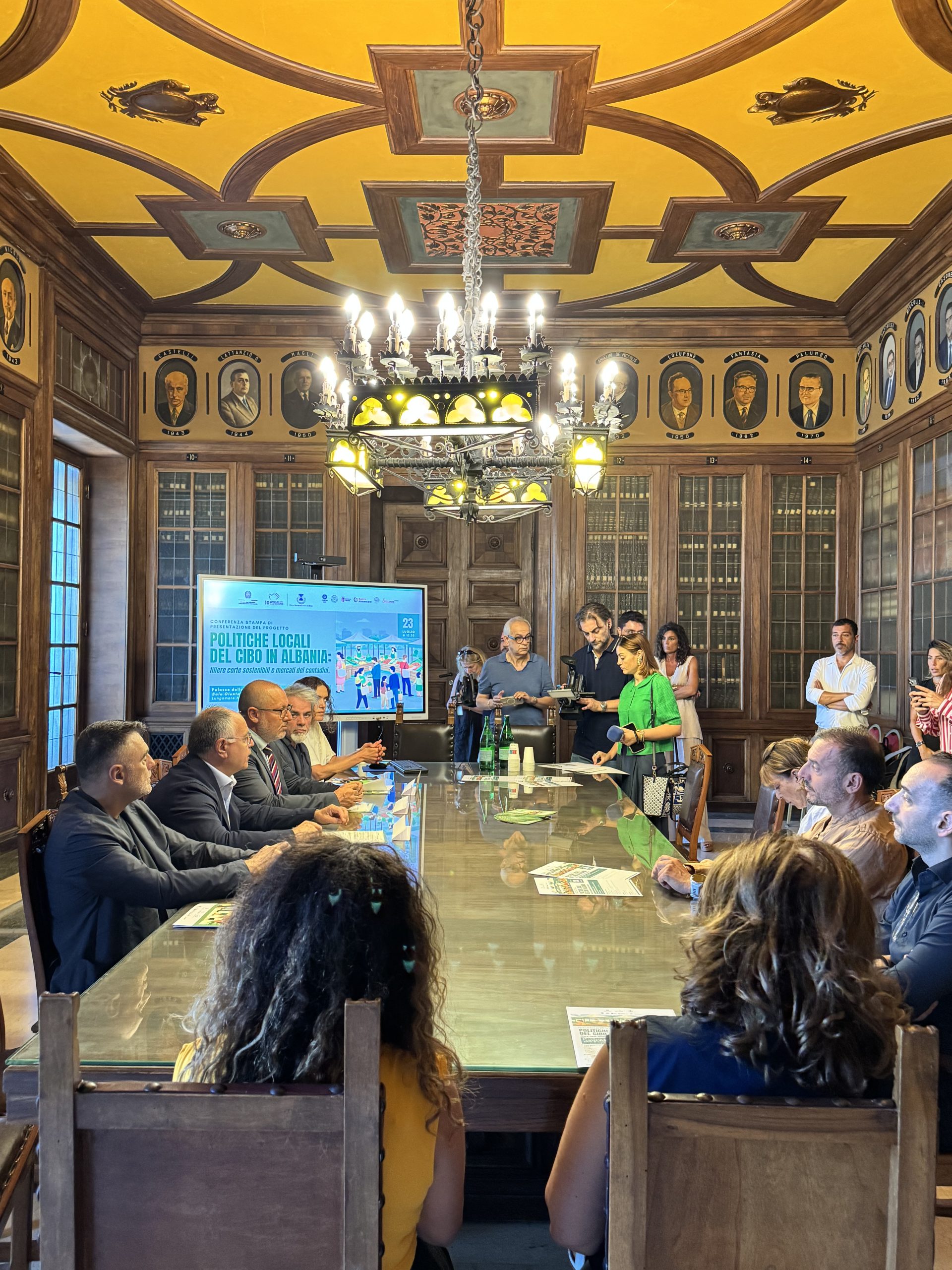
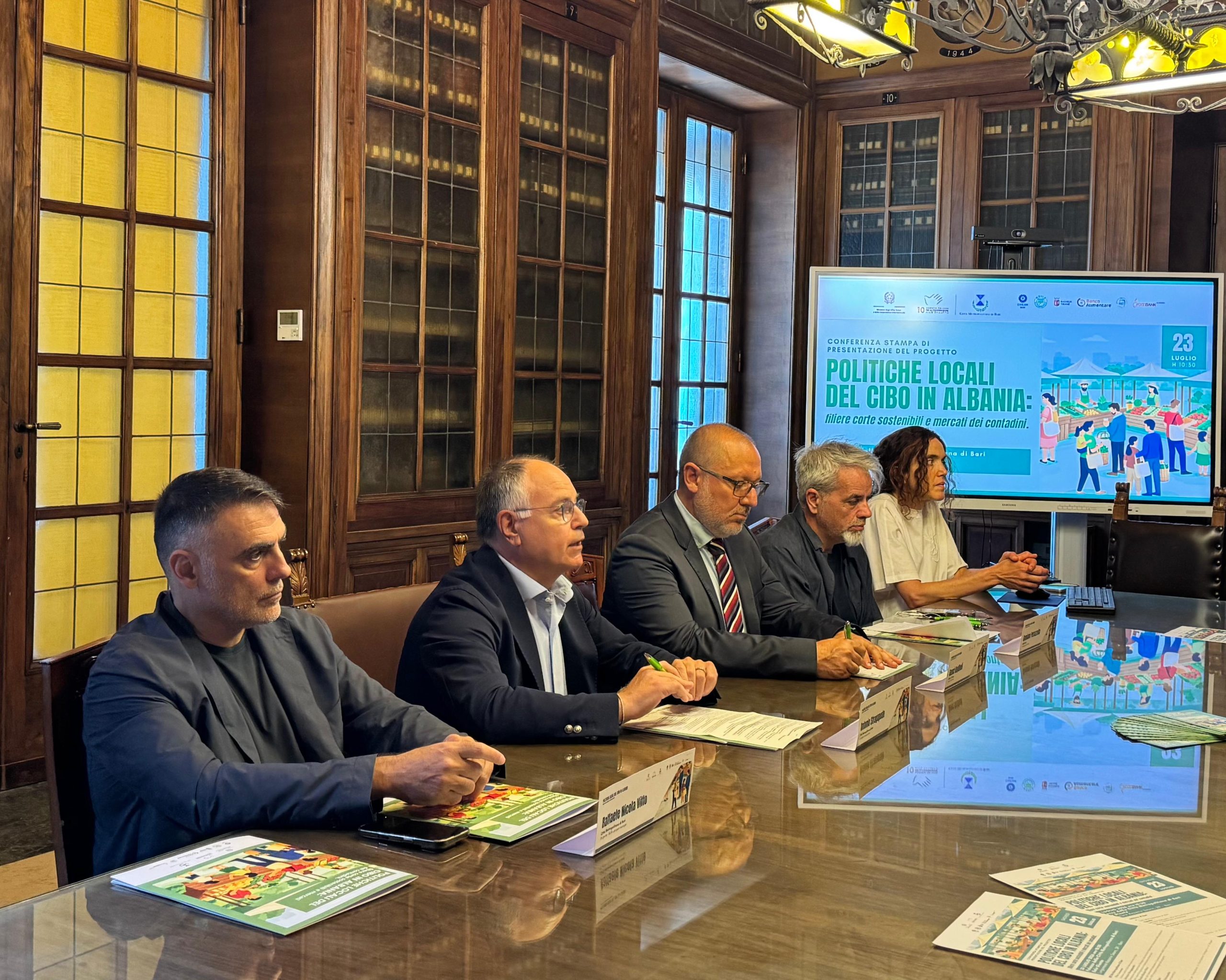
È stato presentato, nella Sala Giunta del Palazzo della Città Metropolitana di Bari, il progetto “Politiche locali del cibo in Albania: filiere corte sostenibili e mercati dei contadini”, finanziato dalla Cooperazione Italiana con un importo complessivo di circa 1,63 milioni di euro.
L’iniziativa, della durata di 36 mesi, è guidata dalla Città Metropolitana di Bari e vede la partecipazione di CIHEAM Bari, World Farmers Markets Coalition, Fondazione Banco Alimentare, Comune di Tirana, Agenzia dei Mercati di Tirana e Food Bank Albania.
Il progetto punta a promuovere un sistema alimentare locale più sostenibile, inclusivo e resiliente, attraverso la creazione di un Mercato dei Contadini, il rafforzamento delle filiere corte e la realizzazione di un Food Waste Hub destinato al recupero e alla redistribuzione delle eccedenze alimentari.
Tra i principali risultati attesi figurano il coinvolgimento di 100 produttori, la creazione o il consolidamento di cinque cooperative, la realizzazione di un mercato e di un hub logistico, la formazione di dieci funzionari pubblici e il sostegno ad almeno mille cittadini in condizioni di vulnerabilità.
Alla presentazione sono intervenuti Vito Leccese, Sindaco metropolitano di Bari; Antonio Stragapede, Consigliere metropolitano delegato alle Attività produttive, alla promozione delle produzioni locali, all’identità agricola e alla transizione alimentare; Raffaele Nicola Vitto, dirigente della Città Metropolitana di Bari e project manager dell’iniziativa; Damiano Petruzzella, Direttore scientifico del CIHEAM Bari; e Genci Kojdheli, Direttore generale del Comune di Tirana.
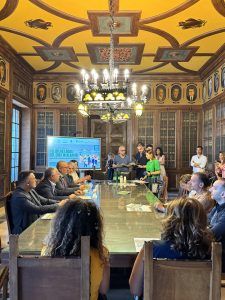
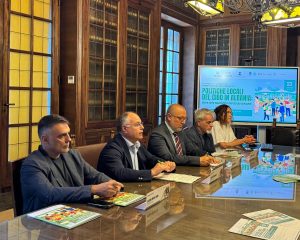
«Le politiche locali del cibo sono uno strumento concreto per costruire sistemi alimentari più sostenibili, resilienti e vicini ai territori», ha dichiarato Damiano Petruzzella. «L’esperienza maturata dal CIHEAM Bari a Tirana e in numerose città del Mediterraneo e dell’Africa, grazie al sostegno del MAECI e alla collaborazione con la World Farmers Markets Coalition, dimostra che investire sui mercati contadini e privilegiare la filiera corta significa rafforzare il futuro dei territori».
Negli ultimi anni il CIHEAM Bari, attraverso progetti nazionali ed europei, ha contribuito alla definizione delle Politiche locali del cibo della Città Metropolitana di Bari e delle città di Taranto, Tirana, Roma Capitale e Roma Metropolitana. Questo patrimonio di conoscenze ed esperienze sarà ora messo a disposizione del nuovo partenariato, contribuendo alla costruzione di una collaborazione sempre più ampia tra le città del Mediterraneo.
Il progetto rafforza così il legame tra Bari e Tirana, trasformando la cooperazione territoriale in azioni concrete a favore dei produttori locali, delle comunità vulnerabili e della sostenibilità dei sistemi alimentari.
Agriculture is one of the sectors most affected by climate change, and at the same time an open frontier for innovation in new sustainable practices and in reducing greenhouse gas emissions. This will be the topic of discussion on Tuesday 21 July in Ravenna, together with Member of the European Parliament Stefano Bonaccini, on the occasion of the closing event of GECO 2.2, a project funded by the Interreg Italy-Croatia Programme that promotes the creation of a regional voluntary carbon market dedicated to the agricultural sector. The goal is to develop innovative techniques to increase carbon sequestration in soil and biomass and to foster the development of a market model that can be replicated at European level.
"La terra che rigenera la terra" ("The land that regenerates the land"), the title of the initiative, will take place at the Antichi Chiostri Francescani starting at 9 a.m. Following the opening remarks by the Mayor of Ravenna, Alessandro Barattoni, and by the President of Legacoop Nazionale, Simone Gamberini, the proceedings will open with a presentation by the scientific coordinator of GECO 2.2, Antonio Cinti. The certification scheme model and the operational tools will be presented by Ivana Dević, Deputy Director of the Zadar County Rural Development Agency, and by Vincenzo Verrastro, agronomist and Scientific Administrator at CIHEAM Bari. At 10.10 a.m., Stefano Bonaccini, Member of the European Parliament and member of the Committee on Agriculture and Rural Development, will speak. This will be followed by a round table moderated by the President of Promosagri, Stefano Patrizi, with the participation of Giampaolo Sarno (Head of the Sustainable Agriculture Area of the Emilia-Romagna Region), Pierpaolo Pallara (Senior Researcher at CREA) and Vitantonio Priore (Puglia Region). The discussion will focus on the new Common Agricultural Policy and the European legislative framework on the market for so-called "carbon farming" – that is, the set of agricultural and forestry practices designed to increase the capacity of soil to absorb CO2 or to reduce greenhouse gas emissions. After the break, there will be a session with the project partners on the benefits observed and on future developments of the shared certification schemes, moderated by technical expert Leonardo Marotta. The morning will conclude with Helena Brčić, Project Manager of the Interreg VI-A Italy-Croatia 2021-2027 Joint Secretariat.
Funded by the Interreg Italy-Croatia programme, GECO 2.2 builds on the path that established the first experimental voluntary market for carbon credits in agriculture. In practice, this is a system in which companies, organisations and individuals voluntarily purchase carbon credits to offset their own greenhouse gas emissions. The underlying idea is that practices linked to sustainable agriculture and soil carbon conservation can be given value: those who invest in sustainability can support farmers who actively protect soil health, biodiversity and the climate through responsible land management. To make this possible, the project is developing a system that ensures transparent carbon credit registries, digital monitoring and verification tools, carbon accounting systems and certification approaches aligned with EU regulatory standards. The project ran for two years between Italy and Croatia, involving the following partners: CIHEAM Bari (International Centre for Advanced Mediterranean Agronomic Studies) - associated partner Puglia Region -, Legacoop Romagna – associated partner Emilia-Romagna Region –, Coldiretti Molise, Legacoop Marche, the Zadar County Rural Development Agency – associated partner the Croatian Ministry of Agriculture –, the Dubrovnik-Neretva Region, and OGAM (Mastrinka Olive Growers' Association).
More information about the GECO 2.2 Project is available here.