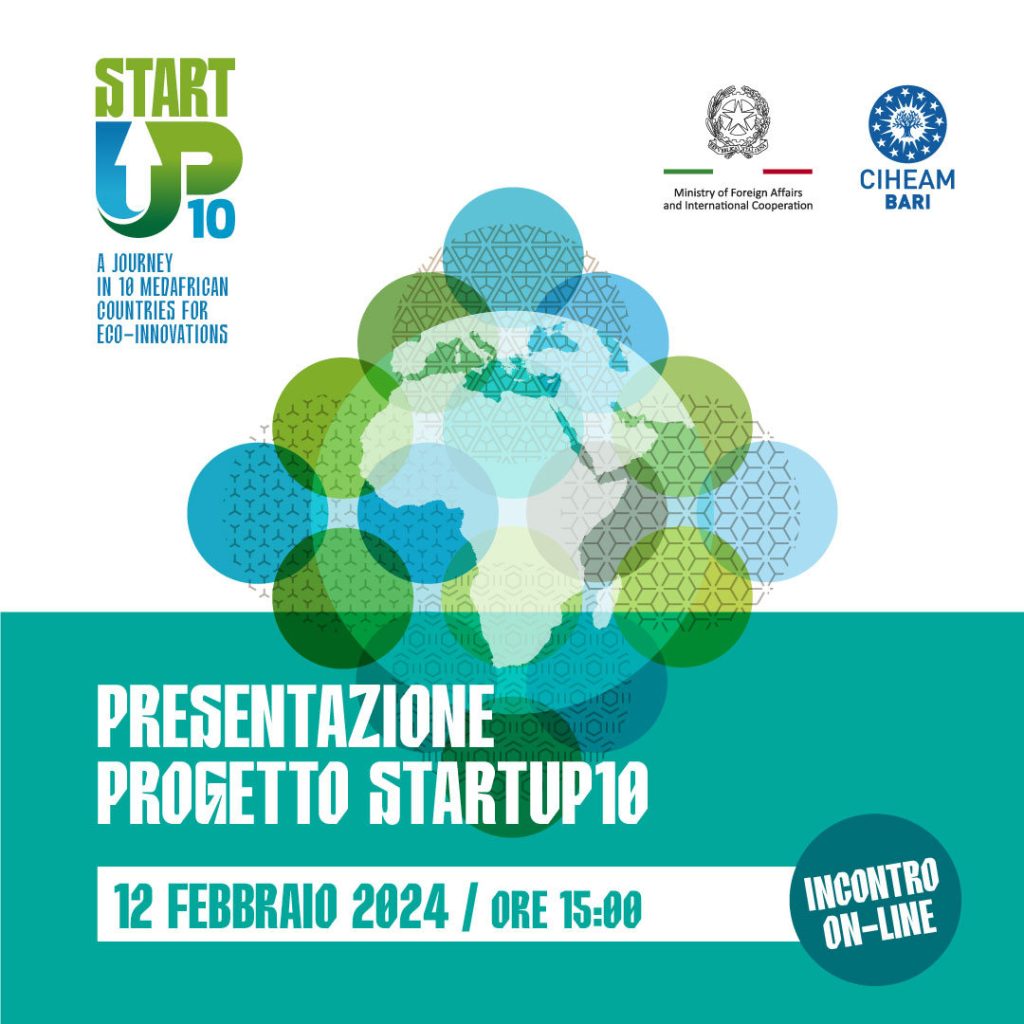
Il 12 febbraio 2024 alle ore 15:00 si terrà on-line l’incontro di presentazione del Progetto STARTUP10.
Finanziato dal Ministero degli Affari Esteri e della Cooperazione Internazionale e implementato dal CIHEAM Bari – in linea con le prospettive governative del "Piano Mattei" –, il progetto prevede un piano di rafforzamento di 21 incubatori di imprese in 10 Paesi del Mediterraneo e dell’Africa: Albania, Algeria, Bosnia-Erzegovina, Egitto, Etiopia, Giordania, Kenya, Libano, Tunisia e Uganda.
Tramite questi incubatori saranno selezionate 140 startup, che presenteranno progetti nell’ambito della green e della blue economy, con un focus sulla digitalizzazione.
Attraverso una attività di scouting a livello nazionale, saranno coinvolte diverse imprese che potranno aderire alla community e, successivamente, manifestare il proprio interesse a partecipare alle attività di Progetto, segnalando i propri interessi relativi ai Paesi coinvolti e ai principali elementi d’innovazione.
Questo passaggio sarà fondamentale per realizzare al meglio l’individuazione e selezione delle startup e la successiva fase di matching tra queste ultime e le imprese. Difatti, le 140 startup saranno accompagnate in una fase di coaching al termine della quale 21 di esse saranno selezionate per partecipare ad un percorso di Open Innovation insieme alle imprese italiane per ricercare e studiare possibili collaborazioni.
Consapevoli dell’impatto ambientale che l’alimentazione ha sul pianeta e sulla salute, quest’anno il CIHEAM Bari aderisce alla Green Food Week organizzata da Foodinsider dal 5 al 9 febbraio, per incoraggiare le mense italiane a offrire un cibo amico del pianeta con menù più sostenibili.
Anche il CIHEAM Bari ha deciso di aderire alla Green Food per sedersi, idealmente, a questa grande tavolata dove i commensali di mense scolastiche, universitarie, istituti di ricerca, ospedaliere e aziendali, associazioni e medici pediatri, si uniscono per fare qualcosa per proteggere l’ambiente. Una scelta che vuole contribuire significativamente a ridurre l’impatto dell’alimentazione sul clima perché, come tutti gli studi scientifici confermano, il sistema alimentare genera più di un quarto di tutte le emissioni di gas serra del pianeta. La Green Food Week è l’occasione per ritornare alla Dieta Mediterranea dove i legumi sono i protagonisti del pasto, il cibo è stagionale e locale, prodotto con tecniche che preservano la fertilità del suolo (biologico), tutte condizioni che garantiscono una migliore qualità del cibo, evitando sprechi alimentari. L’iniziativa, promossa da Foodinsider, si lega a M’illumino di meno del programma Caterpillar di Rai Radio2 e coinvolge tantissime mense dal nord al sud Italia.
Nei menù proposti nella settimana green viene privilegiato il consumo di prodotti locali, biologici e alimenti a basso impatto ambientale con piatti a base di legumi e miglio a cui le Nazioni Unite ha dedicato l’anno 2023.
L’ampia adesione alla Green Food Week con più di 200 Comuni e 60 università dimostra come stia aumentando la sensibilità verso un’alimentazione a basso impatto ambientale, da parte di tutti, grandi e piccoli. La nostra realtà vuole contribuire attivamente nel promuovere i valori di sostenibilità e lo fa anche attraverso la ristorazione universitaria.
A supporto delle mense universitarie sono stati utilizzati materiali e documenti che aiutano a dare il giusto nome al piatto, trovare la ricetta che inquina di meno e che piaccia a tutti, a comunicare l’iniziativa con un linguaggio adeguato ai consumatori.
Scegliere cosa mangiare può ridurre l'impronta ambientale personale, ma farlo insieme a tante persone che mangiano in mensa ha un impatto significativo sul clima, perché può stimolare la condivisione di un’etica con un profondo valore conviviale. Ecco perché per la nostra realtà la Green Food Week è un’occasione importante per esserci e contribuire a prendere coscienza del fatto che il clima siamo noi.
La Green Food Week sarà tracciata sui social con #greenfoodweek24.
Il prossimo 8 febbraio, nell’Aula Magna del Campus Cosimo Lacirignola, avrà luogo il corso Mediterraneo: generi, scienza, lavoro, organizzato dal CIHEAM Bari in collaborazione con l'Ordine dei Giornalisti e GiULiA - Giornaliste Unite Libere Autonome.
Il seminario, che si svolgerà dalle ore 9 alle ore 14, mira a esaminare le complesse dinamiche del Mediterraneo, concentrandosi sui temi legati alla parità di genere. Gli argomenti chiave trattati durante il corso riguarderanno l'importanza di diffondere informazioni in modo etico e in conformità ai principi deontologici, le geografie femminili nel nord Africa, il terrorismo e l'antiterrorismo, i linguaggi al femminile con un focus sul Medioriente e l'importanza della certificazione di parità di genere in ambito lavorativo.
I lavori saranno aperti alle ore 9 dal direttore del CIHEAM Bari, Maurizio Raeli e dal presidente dell’Ordine dei giornalisti della Puglia, Piero Ricci.
Il seminario si articolerà in due panel. Il primo, Informazione, Linguaggi e Contesto Socioculturale, sarà introdotto e moderato da Rossella Matarrese, coordinatrice di Giulia giornaliste Puglia. Il secondo, Diplomazia Scientifica, sarà introdotto e moderato da Marisa Ingrosso de La Gazzetta del Mezzogiorno.
Tra i relatori saranno presenti l'ambasciatore Antonio Bernardini, l'inviato speciale RAI Paolo di Giannantonio, il giornalista e dirigente tecnologo Cnr Marco Ferrazzoli, oltre ai rappresentanti del CIHEAM Bari.
L'importanza della dimensione accademica nella costruzione di una società equa e inclusiva sarà evidenziata dalla presenza di Sabrina Martucci, del dipartimento di Giurisprudenza dell'Università di Bari e di Raffaele Cattedra, del dipartimento di Lettere, lingue e beni culturali dell'Università di Cagliari.
L'evento si propone di contribuire significativamente alla comprensione delle complessità del Mediterraneo e delle sue ricadute globali, testimoniando la vasta collaborazione di settori diversi nella lotta per la parità di genere e la costruzione di un futuro più giusto.
La partecipazione è consentita -fino ad esaurimento posti- previa registrazione al seguente link: https://events.iamb.it/p/event/medgsl.
Il corso Mediterraneo: generi, scienza, lavoro, eroga 7 crediti deontologici ai giornalisti che si iscrivono tramite la piattaforma https://www.formazionegiornalisti.it/, e 0,50 CFU agli studenti di Giurisprudenza UniBa.
25 gennaio, ore 15.00 Teatro Kursaal Santalucia - 26 gennaio, ore 9.30 CIHEAM Bari
Due giorni per discutere di politiche locali del cibo in Italia e transizione alimentare nel Mediterraneo: un'importante occasione di confronto tra il mondo della ricerca, delle istituzioni e del terzo settore per esplorare il tema della transizione verso sistemi alimentari sostenibili.
Il VII Incontro Nazionale della Rete Politiche Locali del Cibo, co-organizzato dal CIHEAM Bari e dalla Rete PLC, si aprirà il 25 gennaio, con inizio alle ore 15.00, nella cornice del Teatro Kursal Santalucia.
L'edizione di quest'anno, oltre alle esperienze italiane, estenderà il dibattito al Mediterraneo, Regione in cui le sfide legate a vulnerabilità economica, accesso al cibo e adattamento ai cambiamenti climatici influenzano la stabilità sociale ed economica delle comunità, accentuando fenomeni migratori.
La riflessione sull'intera area del Mediterraneo mira a consolidare il ruolo della Rete come facilitatore tra i diversi livelli delle politiche del cibo, dallo scenario locale a quello internazionale. La Rete PLC è composta da oltre 600 membri tra ricercatori, rappresentanti di enti territoriali e del terzo settore che hanno contribuito, negli anni, a supportare le città italiane nello sviluppo e nell’adozione di politiche locali del cibo.
Oltre 100 partecipanti, provenienti dal mondo accademico, dalla ricerca, da amministrazioni cittadine e da enti locali, nonché attivisti dei movimenti della cittadinanza attiva e del settore no profit, si riuniranno per discutere, in modo collaborativo e multidisciplinare, delle sfide legate alla gestione del cibo nelle città. L'attenzione sarà focalizzata su disponibilità, accessibilità e consumo del cibo, esaminando come l'integrazione tra diverse politiche (infrastrutture, pianificazione del territorio, commercio, educazione, salute, patrimonio) possa favorire la promozione di produzioni e consumi sostenibili.
Apriranno i lavori Eugenio Di Sciascio, vicesindaco di Bari, Maurizio Raeli, direttore del CIHEAM Bari, Giuseppe Blasi, capo dipartimento delle politiche europee e internazionali e dello sviluppo rurale del Ministero dell'agricoltura e, per la Regione Puglia, Gianluca Nardone, direttore regionale del dipartimento agricoltura, sviluppo rurale e ambientale e Aldo Patruno, direttore del dipartimento turismo, economia della cultura e valorizzazione del territorio. Seguirà il talk Cooperare a livello locale per la transizione alimentare del Mediterraneo, al quale parteciperanno organizzazioni internazionali (FAO, CIHEAM Bari, Slow Food, Milan Urban Food Pact, World Farmers’ Markets Coalition, ESTÁ) che stimoleranno anche la discussione di alcune città italiane (tra cui i comuni di Andria, Ruvo, Melpignano, Lecce e la Città Metropolitana di Bari).
Durante i lavori sarà presentato l’Osservatorio Nazionale Politiche Locali del Cibo, promosso dalla Rete PLC e sottoscritto da oltre 30 enti, tra università e centri di ricerca pubblici e privati.
La seconda giornata, programmata per il 26 gennaio alle ore 9.30 nel Campus Cosimo Lacirignola del CIHEAM Bari, prevede una combinazione di momenti di confronto plenario e 10 panel focalizzati sui temi chiave delle politiche locali del cibo.
Negli ultimi anni, il CIHEAM Bari ha significativamente contribuito alla Rete attraverso progetti nazionali ed europei (PON AGRICOLTURA e FOODSHIFT2030), che hanno consentito l’elaborazione del Piano d'Azione della Politica del Cibo Metropolitana per la Città Metropolitana di Bari, approvato lo scorso 28 settembre, nonché di supportare le città di Taranto e Tirana.
Il CIHEAM Bari, per di più, ha pianificato il lancio di un corso di formazione per amministratori delle città italiane a partire da aprile prossimo, con l’obiettivo di costruire un percorso formativo allargato al Mediterraneo e all’Africa per facilitare lo scambio di esperienze. Questo impegno si allinea alle conclusioni del Dialogo Ministeriale Mediterraneo e conferma la determinazione a promuovere una collaborazione operativa tra città mediterranee sulle politiche locali del cibo.
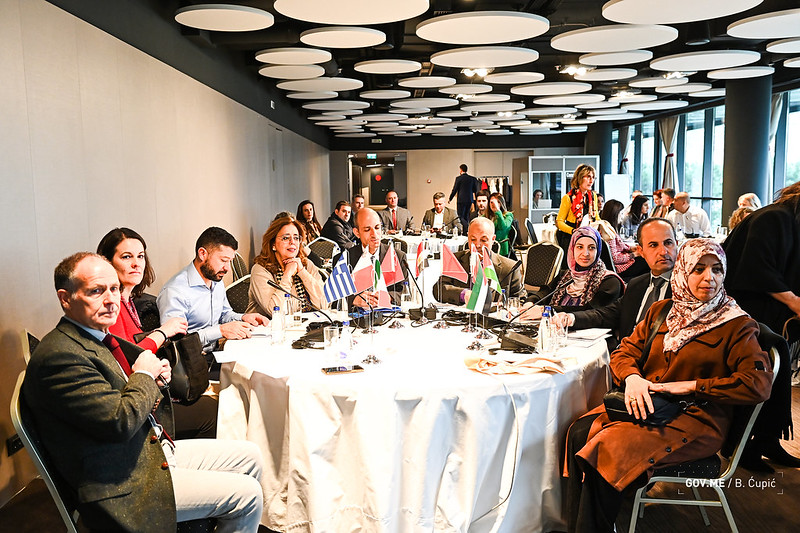
The project "Frame.Org Montenegro - Harmonising the regulatory framework for the organic food production in Montenegro with the regulation (EU) 2018/848" ends on January 23rd, 2024 with an International Conference in Podgorica "International symposium on organic agriculture of Western Balkan region" organized by CIHEAM Bari in cooperation with the Ministry of Agriculture, Forestry and Water Management in Montenegro, MOAN - Mediterranean Organic Agriculture Network, and with technical support of IFOAM Organics Europe.
The final conference was attended by the Montenegrin Minister of Agriculture, S.E., Vladimir Joković, the Ambassador of Italy in Montenegro (on behalf of the donor), S.E. Andreina Marsella, the Deputy Director of CIHEAM Bari, Biagio Di Terlizzi, the Director of IFOAM Organics Europe, Eduardo Cuoco, the Director General of the Ministry of Agriculture Forestry and Water Management, Miroslav Cimbaljević, MOAN (Mediterranean Organic Agriculture Network) delegates from the Ministries of Agriculture of Albania, Croatia, Egypt, Jordan, Greece, Kosovo, Lebanon, Malta, Morocco, Montenegro, North Macedonia, Palestine, Serbia, Slovenia and Tunisia, and representatives of SWG - Regional Rural Development Standing Working Group in South-Eastern Europe.
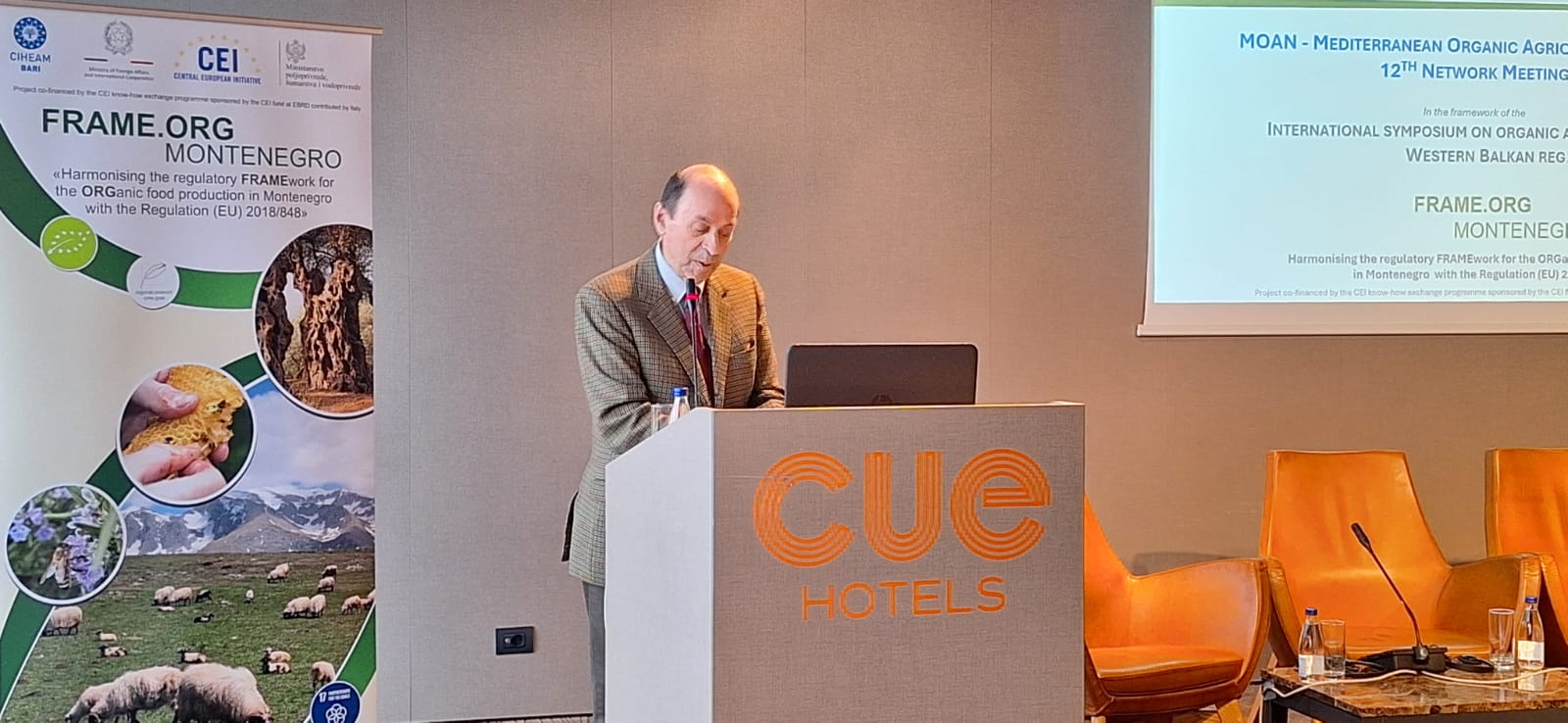
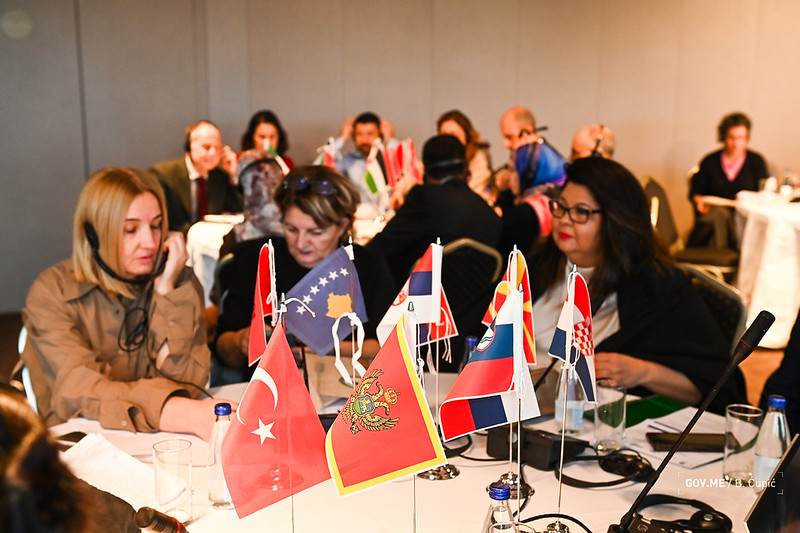
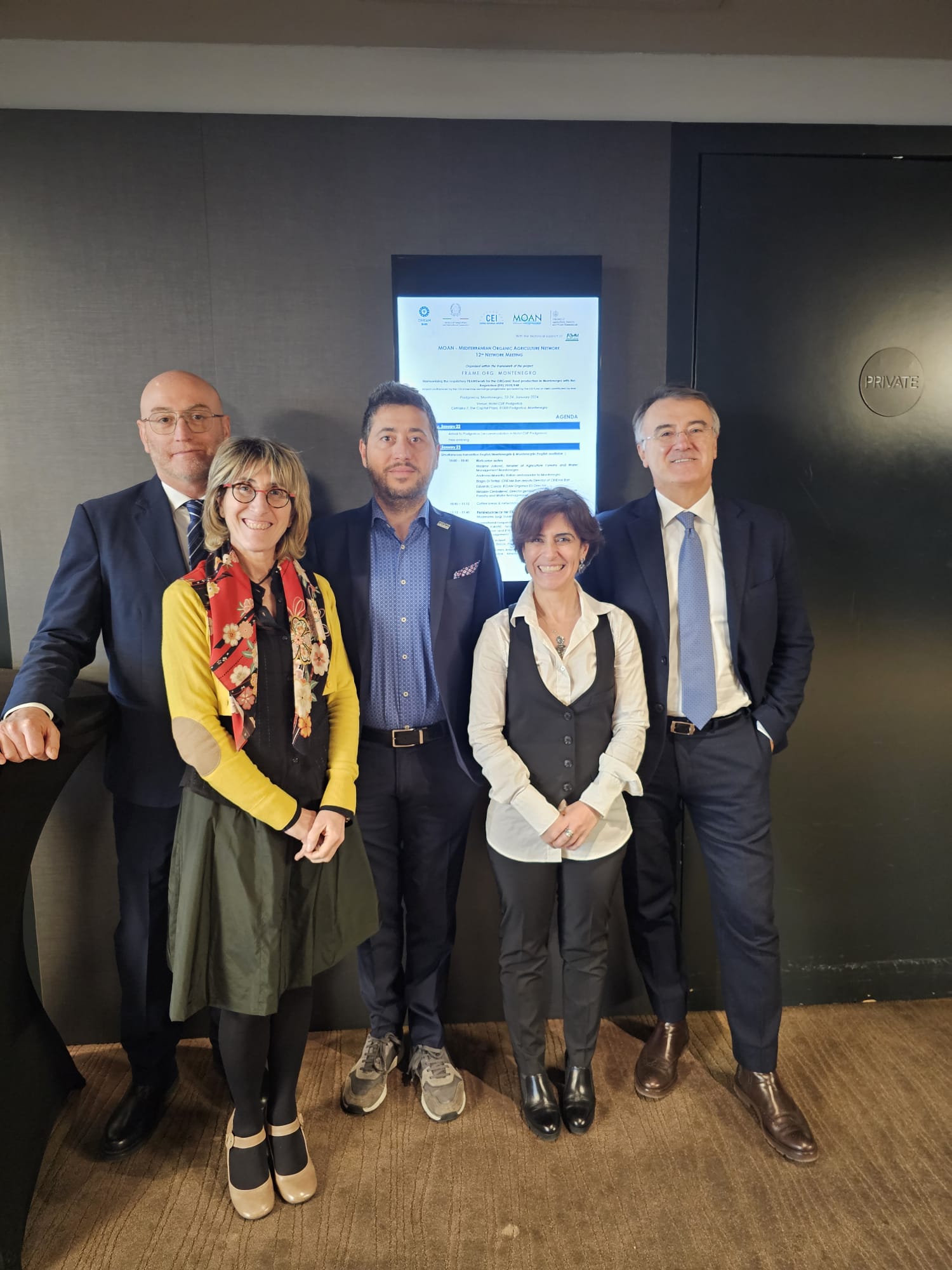
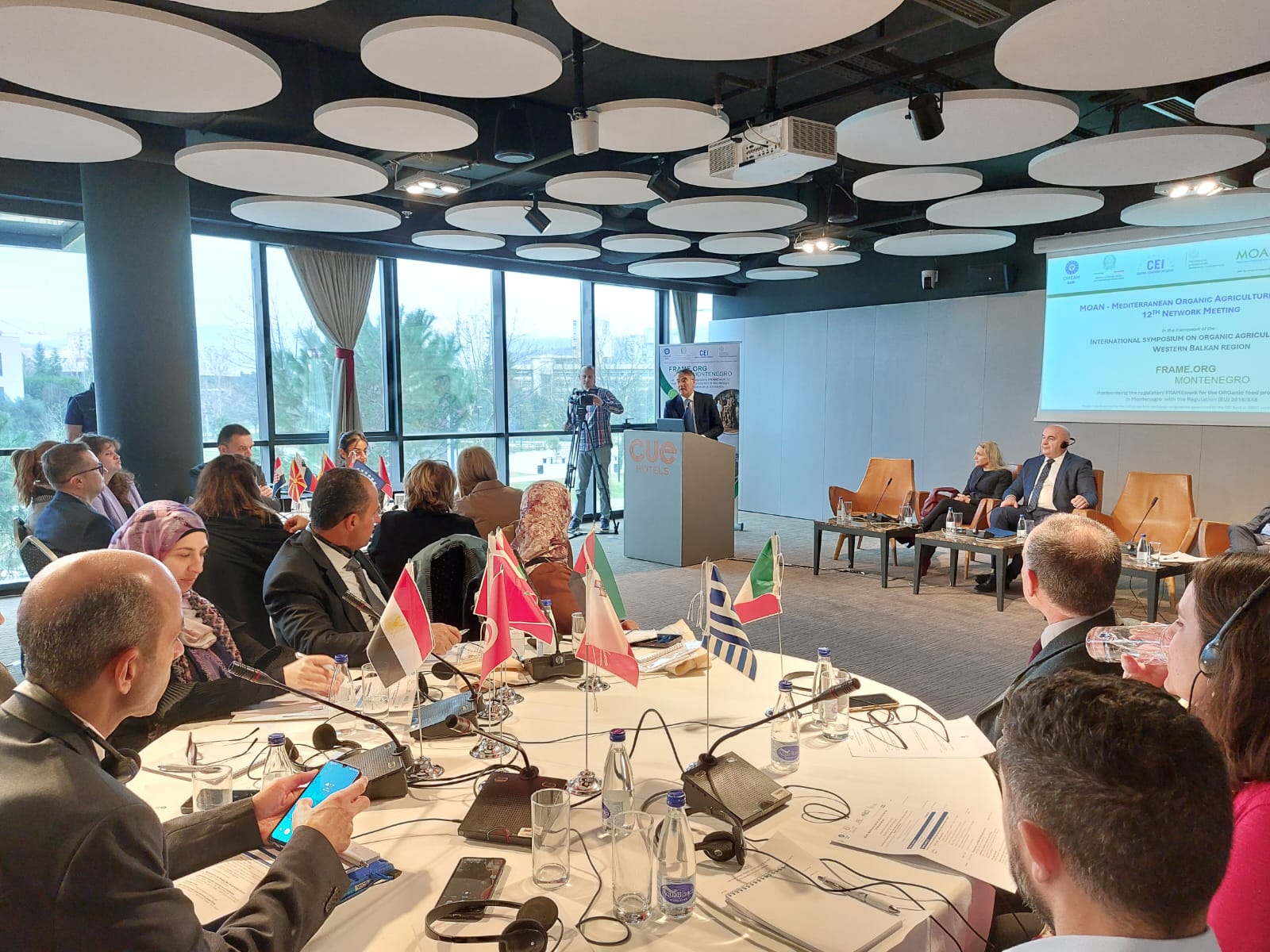
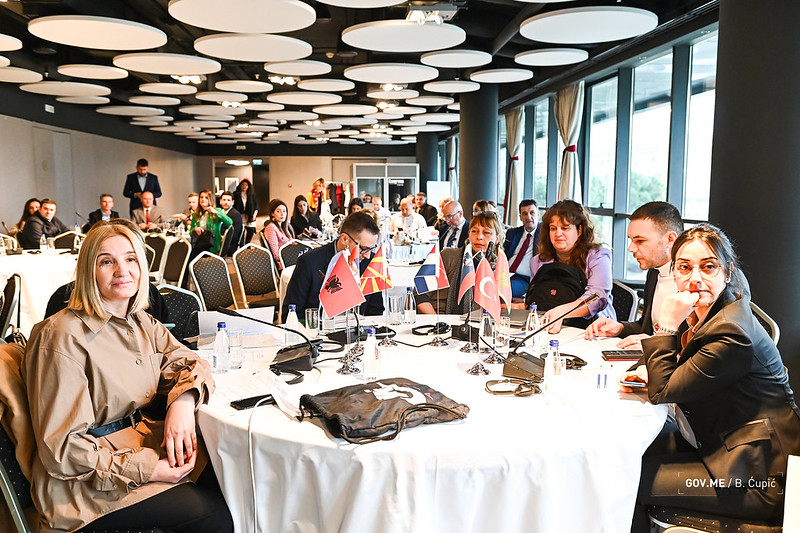
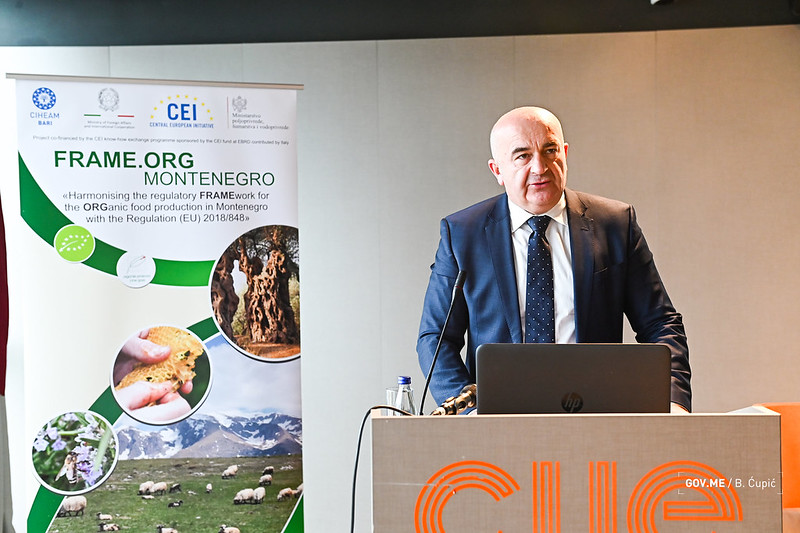
FRAME.ORG Project, co-financed by the CEI - Central European Initiative/KEP - Know-How Exchange Programme sponsored by the CEI fund at the European Bank for Reconstruction and Development (EBRD) contributed by Italy, implemented by CIHEAM Bari, has aimed to strengthen the organic legislative framework, contributing to the EU harmonization process and, subsequently, to enhance the capacities of SMEs to position their organic products on the national and international market.
Starting from the current state-of-the-art, the draft of the new national organic farming law and future prospects of the sector in Montenegro, experts from CIHEAM Bari and Italian Ministry of Agriculture, Food Sovereignty and Forestry worked jointly with officials from the Montenegrin Ministry of Agriculture, Forestry and Water Management to finalize four rulebooks on: plant and livestock production, imports, collection, packaging, transport, and storage of organic products in line with the EU regulation 2018/848.
The initiative has represented another important step in the cooperation pathway for the development of organic agriculture in Western Balkans, a longstanding commitment of CIHEAM Bari in the area. The project outcomes and the lessons learnt have been also shared within the broader network of MOAN, active promoter of cooperation and know-how exchange on organics between countries, of which Montenegro has been member since 2006.
The good results of the project shall be a model for further cooperation activities to support the development of sustainable agriculture.
Dal 15 al 19 gennaio si è svolta al CIHEAM Bari la 17ª edizione delle Giornate della Cooperazione Internazionale. L’evento ha visto la partecipazione del direttore, Maurizio Raeli, e dei coordinatori dei 36 progetti finanziati dalla Cooperazione Italiana, realizzati in 26 Paesi del Mediterraneo, del Medio Oriente e dell'Africa Sub-sahariana.
L'incontro, coordinato dal direttore aggiunto Biagio Di Terlizzi, ha rappresentato un'importante occasione di confronto e dialogo tra i coordinatori dei progetti e lo staff del CIHEAM Bari, responsabile dell'implementazione delle iniziative in corso. L'evento è stato arricchito dalla presenza del direttore dell'Agenzia Italiana per la Cooperazione allo Sviluppo, Marco Riccardo Rusconi, e del Segretario Generale del CIHEAM, Teodoro Miano.
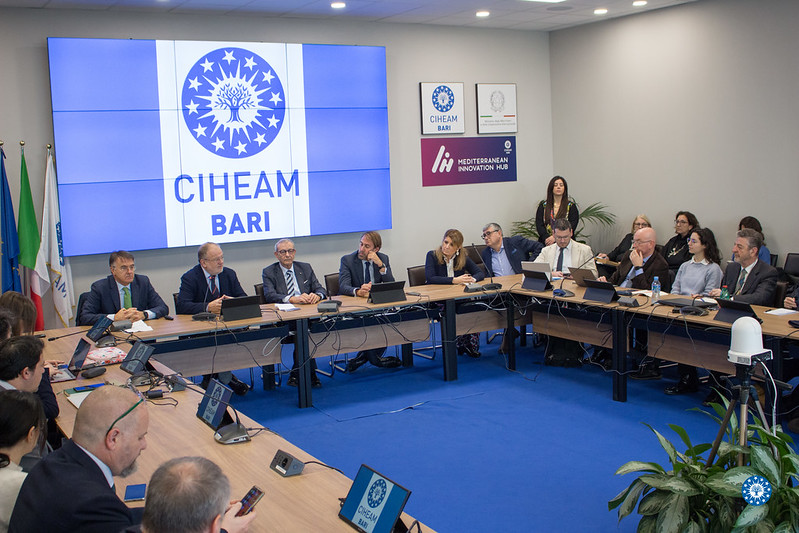
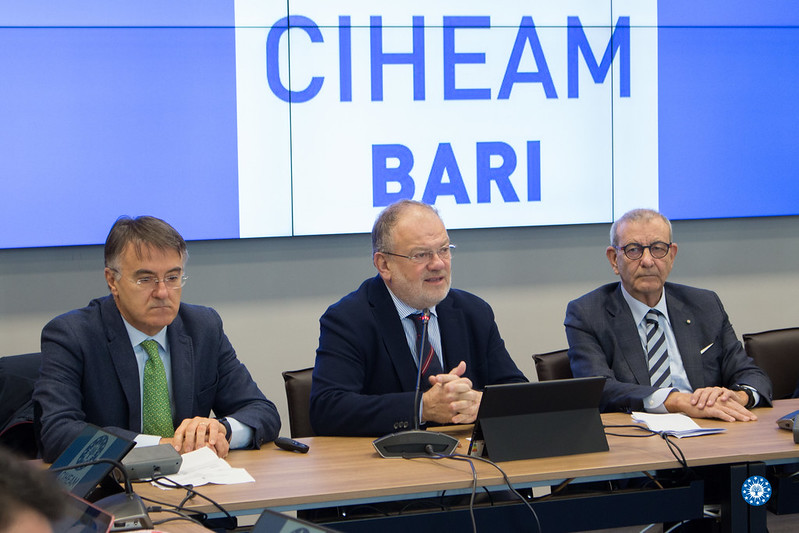
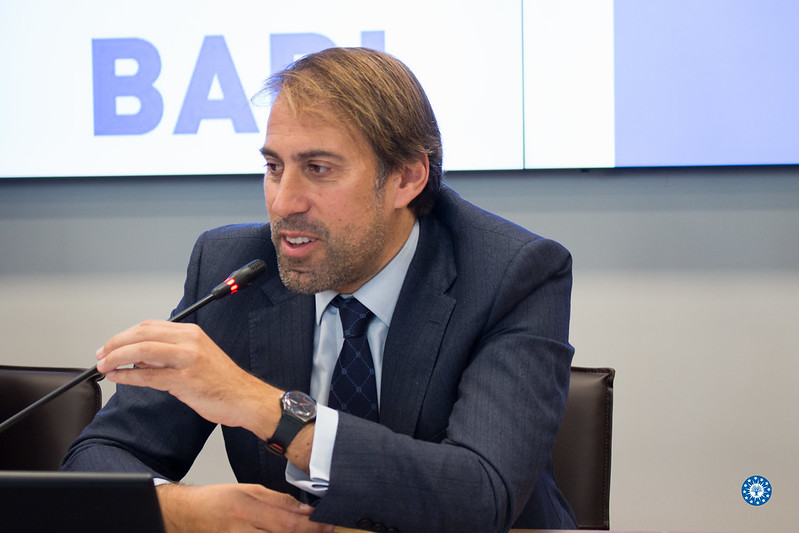
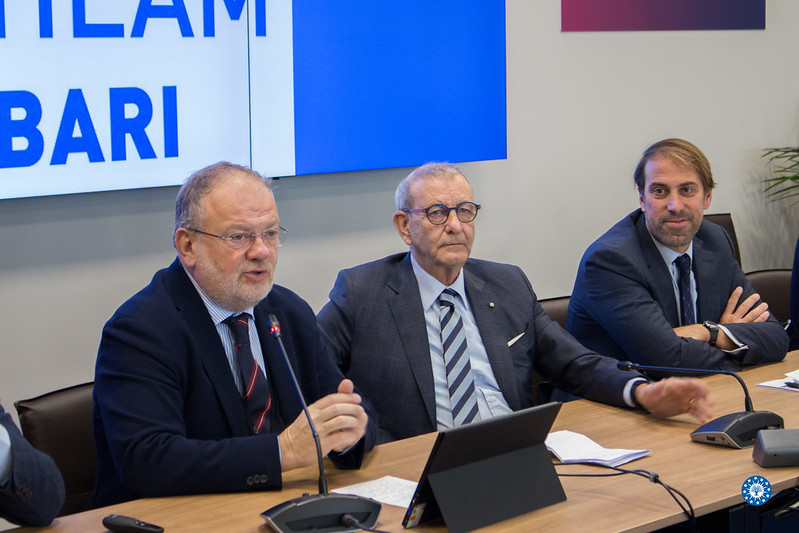
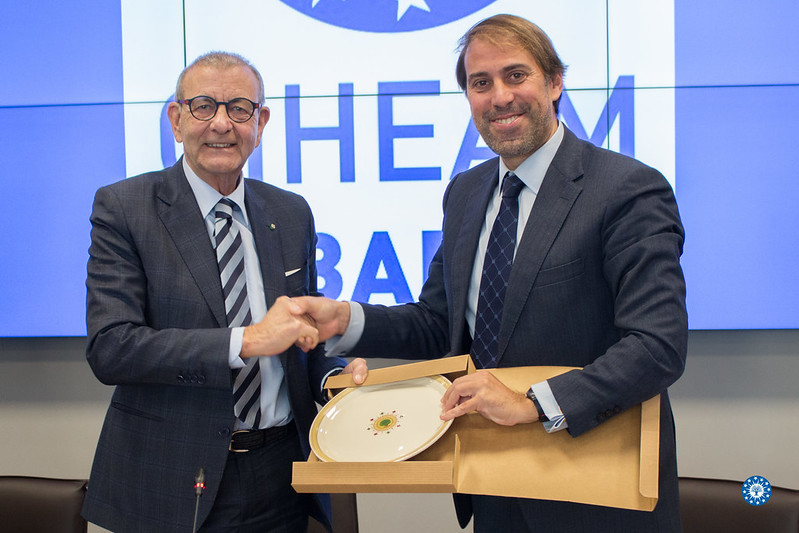
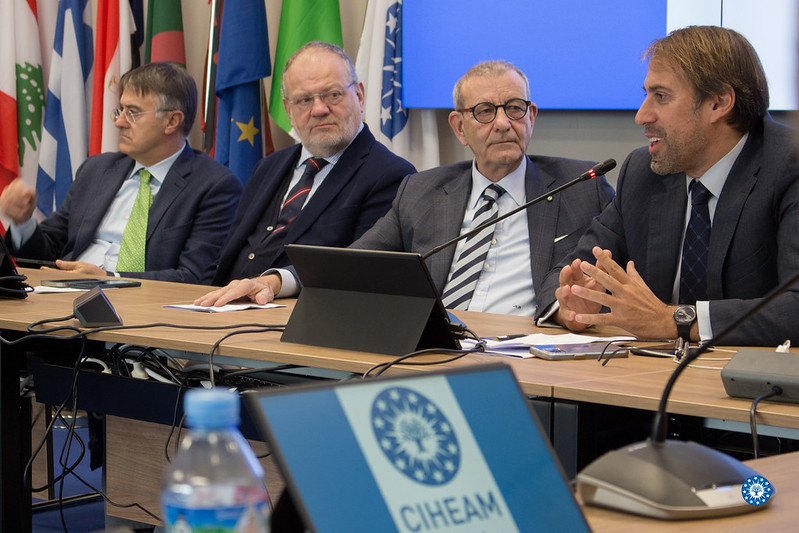
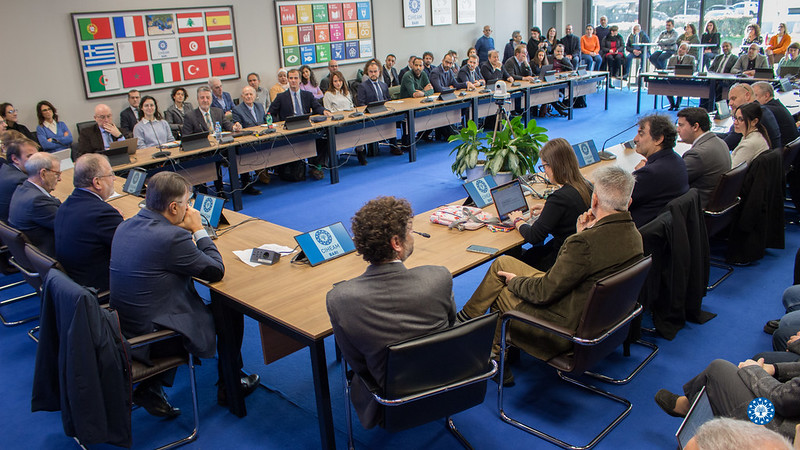
Il programma delle Giornate della Cooperazione Internazionale ha compreso momenti di riflessione, testimonianze dirette dai progetti di cooperazione italiana, e orientamenti sia sull'attuale scenario internazionale, sia sulle prospettive di collaborazione tra l'Agenzia Italiana per la Cooperazione allo Sviluppo e il CIHEAM Bari. Un incontro, semestrale, che rappresenta un'occasione preziosa per la condivisione di esperienze e strategie nell'ambito delle attività di cooperazione che si svolgono nei Paesi beneficiari.
Il clou delle Giornate è stato l'evento teatrale Senza confini, un'esclusiva pièce tra parole e note realizzata in collaborazione con Teatri di Bari-Kismet, liberamente ispirata alle attività ed esperienze del CIHEAM Bari, che è andata in scena il 19 gennaio, nell'Aula Magna del Campus Cosimo Lacirignola.
La rappresentazione teatrale, elaborata dal giornalista e scrittore Onofrio Pagone, attraverso l'interpretazione magistrale dell’attore Augusto Masiello e le note avvolgenti del pianista e compositore Mirko Signorile, ha offerto una prospettiva unica sulla storia del CIHEAM Bari e sulla sua missione di cooperazione internazionale, accompagnando gli spettatori attraverso oltre sessanta anni di iniziative, esplorando le radici e l'essenza dell'Organizzazione.
Il protagonista, Simeone, incarna l'essenza stessa del CIHEAM Bari: operare per la pace, cooperare contro la fame, la sete e le diseguaglianze. La sua vita, segnata da incontri, scambi e progetti internazionali, riflette la peculiarità dell'Organizzazione nel cooperare senza confini. Il mare, ascoltato abitualmente da Simeone, diventa il compagno fedele che unisce le terre invece di dividerle, insegnandogli che non ci sono confini, solo frontiere. Un viaggio unico attraverso la storia, la passione e la missione senza confini del CIHEAM Bari.
Si è svolta dal 7 al 12 gennaio 2024 una visita di studio che ha coinvolto una delegazione tunisina composta da 28 partecipanti e guidata dalla Dr.ssa Samia Maamer, direttrice generale dell’agricoltura biologica presso il Ministero dell’Agricoltura delle Risorse Idriche e della Pesca tunisino.
La delegazione tunisina era composta da funzionari afferenti alle istituzioni centrali e locali, nonché da esperti di sviluppo e da esponenti delle realtà produttive di 5 bio distretti pilota situati in 5 diverse regioni pedoclimatiche dello stato nordafricano (Sejnene, Haouaria, Kesra, Majel Bel Abbes e Hazoua).
La visita di studio è stata organizzata dal CIHEAM Bari, quale ente esecutore dell’iniziativa “Azioni preliminari per la costituzione dei Bio Territori tunisini”. Il programma è finanziato dal Ministero Affari Esteri e della Cooperazione Internazionale / Agenzia Italiana per la Cooperazione allo Sviluppo.
Le visite si sono svolte presso 3 bio distretti italiani: il bio distretto Via Amerina e Forre (Lazio), il bio distretto Cilento (Campania) e il bio distretto delle Lame (Puglia). In tale occasione la delegazione ha avuto modo di entrare in contatto con alcune realtà (istituzionali, culturali e produttive) dei bio distretti italiani oggetto della visita, potendo meglio comprenderne la composizione, le modalità gestionali, promozionali e le strategie attuate da realtà che rappresentano una piccola parte della significativa diversità che il territorio italiano esprime.
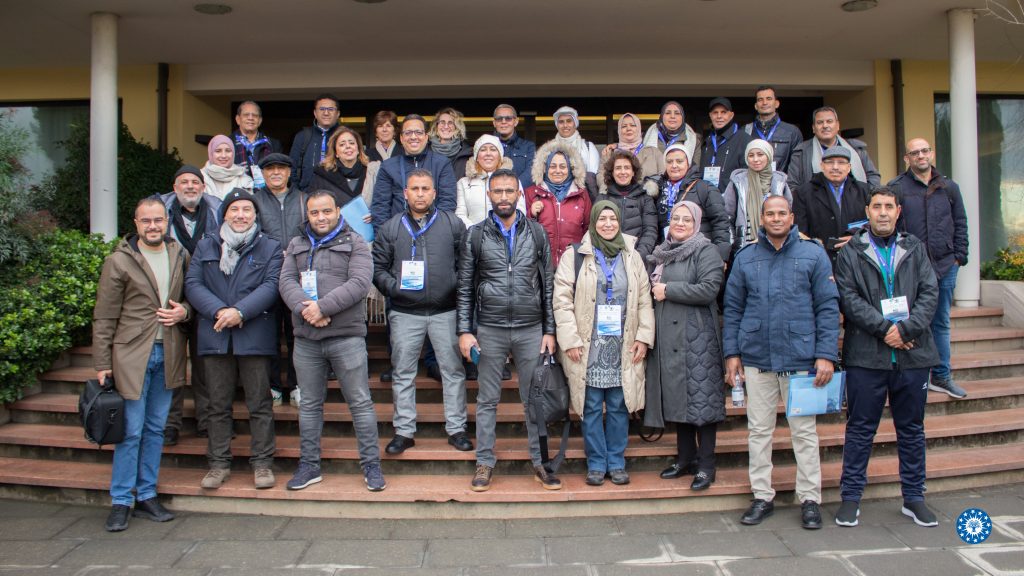
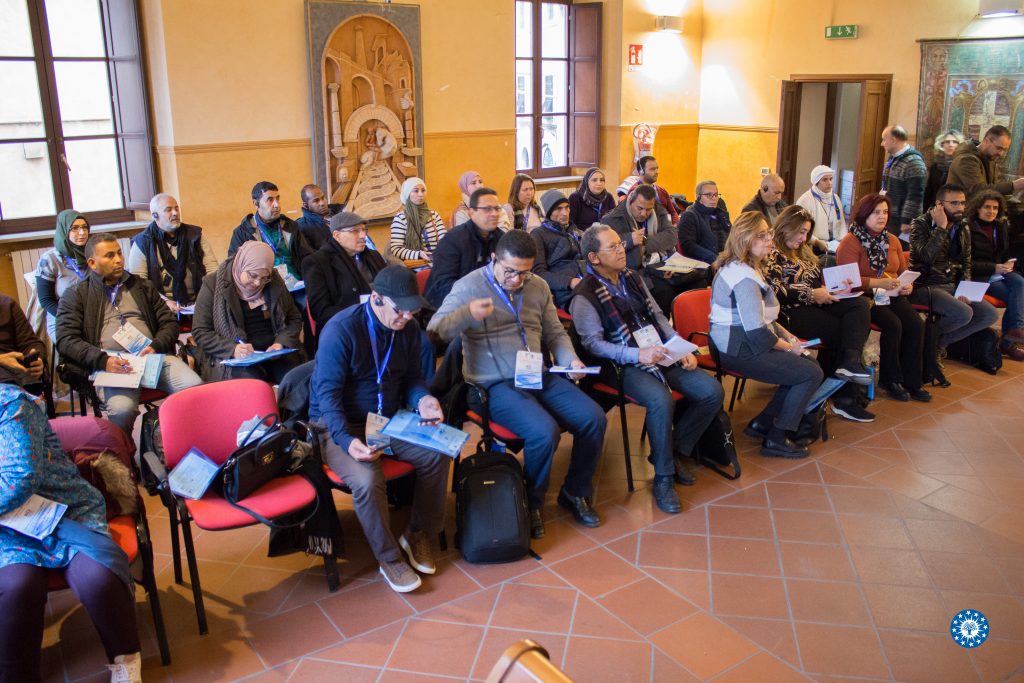
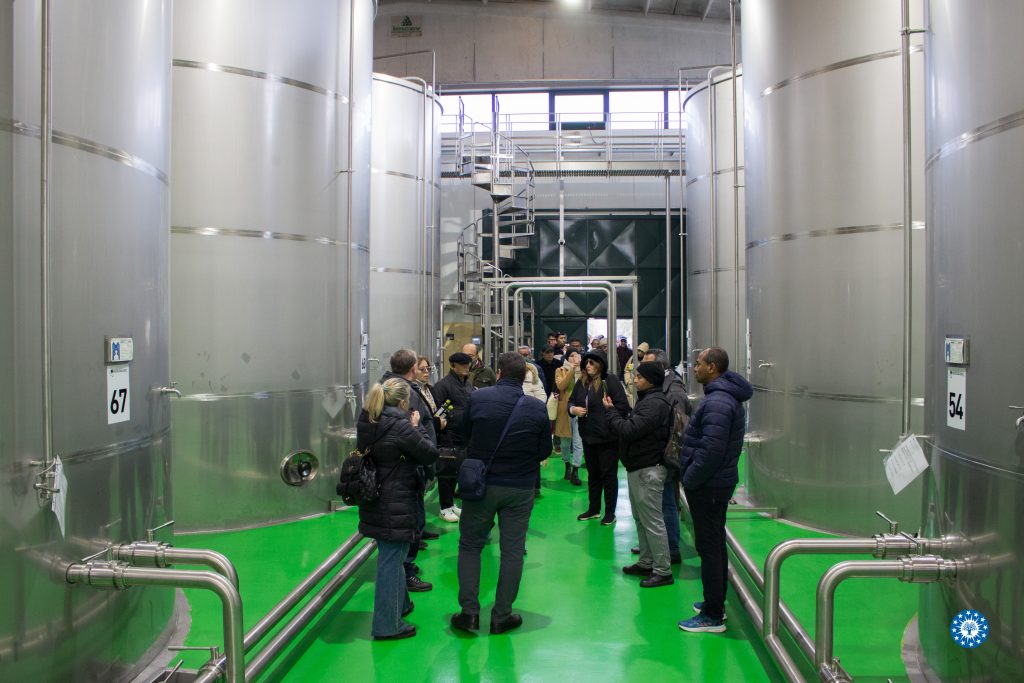
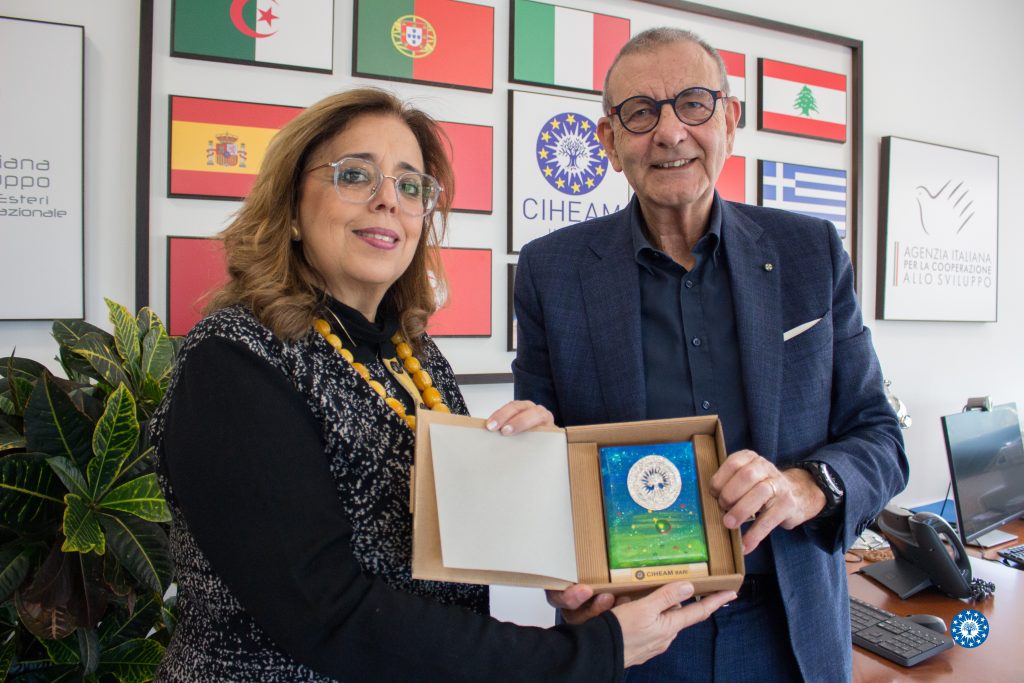
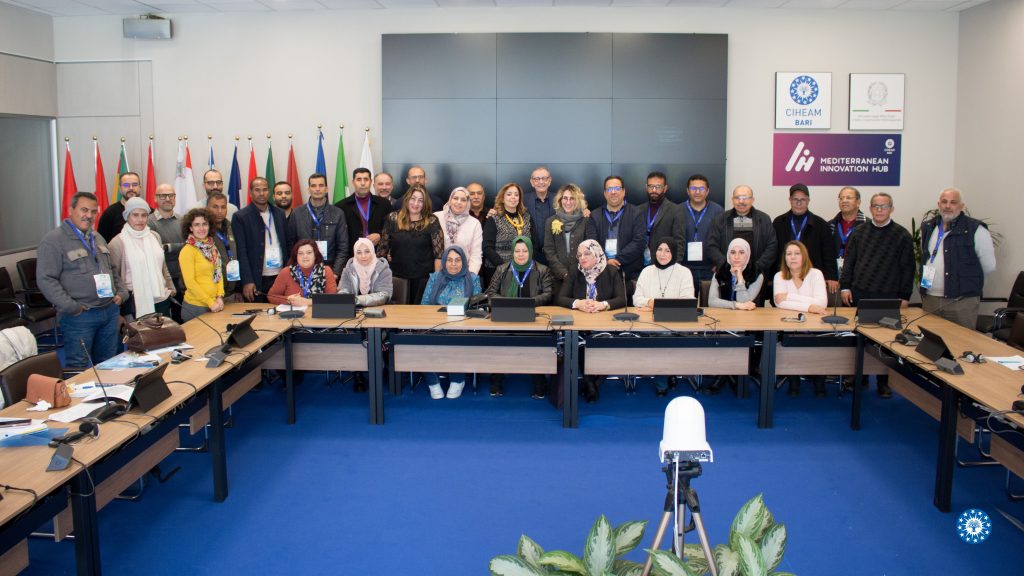
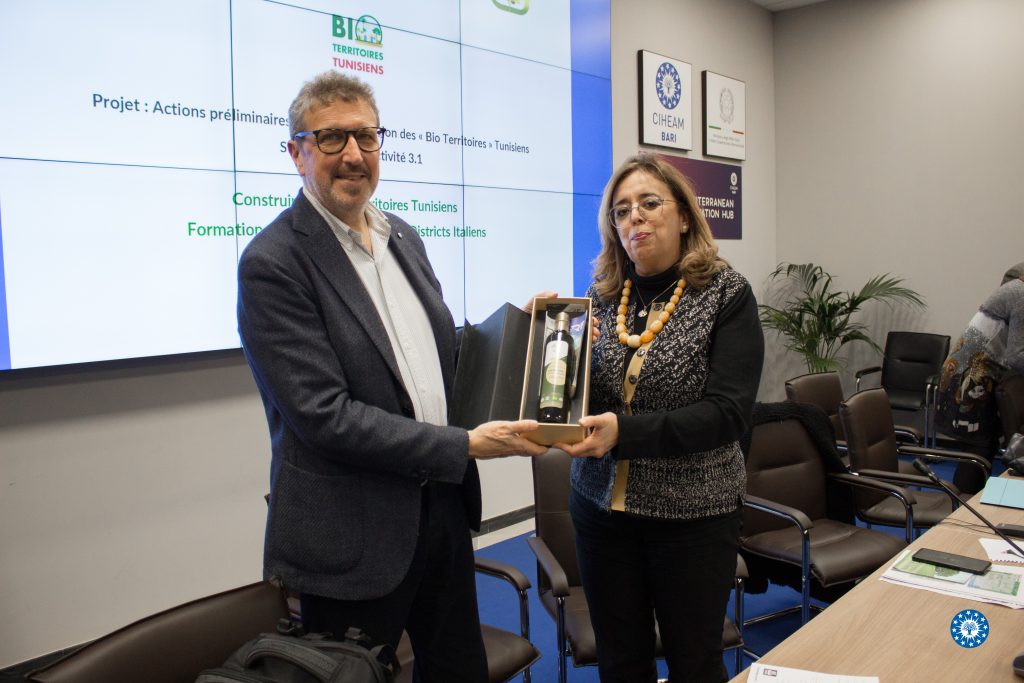
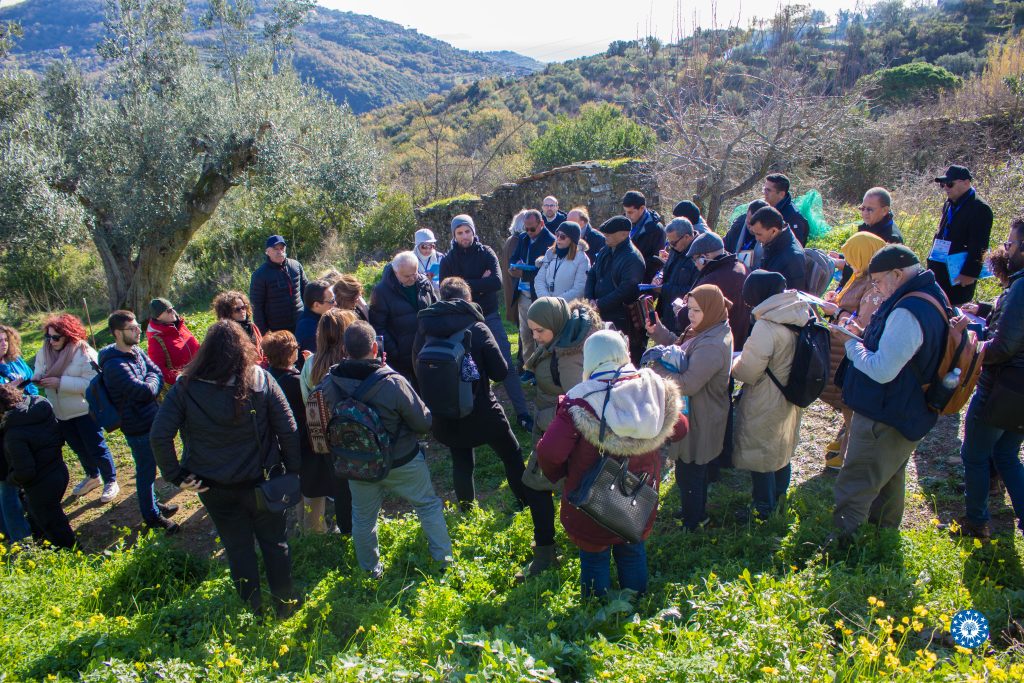
Lo stage si è concluso presso la sede del CIHEAM Bari con un intervento formativo tenuto dal rappresentante del bio distretto Val di Vara (Liguria), fornendo in tal modo l’occasione di approfondire ulteriormente alcuni aspetti caratterizzanti il succitato bio distretto e in particolare quelli relativi alla ricerca e alle modalità di promozione di questa realtà.
Il programma è stato denso di visite e di incontri e ha offerto la possibilità ai partecipanti di poter cogliere diverse ispirazioni e nozioni che saranno funzionali al prosieguo dell’iniziativa. La fase successiva alla visita di studio consisterà nella composizione dei gruppi promotori, che a livello locale avvieranno il processo partecipato di costituzione dei bio territori tunisini, per i quali lo stage ha anche aperto la via a possibili futuri gemellaggi con i bio distretti italiani.
L’iniziativa, che ad oggi conta un anno di vita, terminerà a maggio prossimo e ha l’obiettivo di costituire i primi bio territori del continente africano, a partire dalleesperienze e dalle lezioni apprese dagli omologhi italiani.
Si è trattato di un’altra tappa importante per il settore biologico tunisino, diventato, in venticinque anni di vita, un modello per altri Paesi del continente africano e del Mediterraneo del Sud. Con un peso pari al 18% sul totale dell’export agroalimentare del Paese (dati 2021), il biologico tunisino, infatti, entra in una fase di evoluzione matura che, nella logica del modello bio distrettuale, punta a coniugare lo sviluppo di specifiche filiere con la crescita sostenibile dei territori ed il miglioramento delle condizioni di vita delle comunità, ispirandosi a principi e pratiche dell’agricoltura biologica.