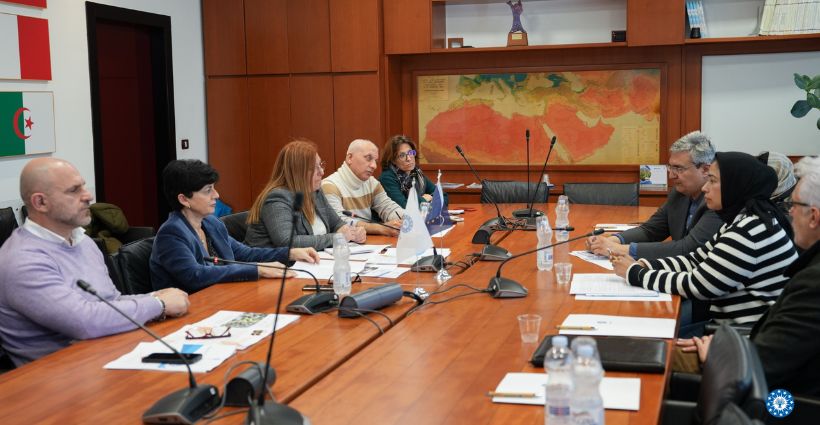
Dal 1° al 4 aprile 2025, il CIHEAM Bari ospita una delegazione del Pakistan Education Endowment Fund (PEEF), organizzazione senza scopo di lucro operante all'interno del Ministero dell'Istruzione federale e della Formazione professionale del Pakistan. La visita rappresenta un'importante occasione per rafforzare la collaborazione tra le istituzioni italiane e pakistane nell'ambito della formazione accademica e professionale per lo sviluppo agricolo.
Il Pakistan Education Endowment Fund (PEEF) si dedica alla promozione dell'istruzione di qualità, con particolare attenzione alle aree più disagiate. La sua missione è offrire borse di studio agli studenti talentuosi provenienti da contesti economicamente svantaggiati, consentendo loro di accedere a un'istruzione superiore contribuendo, altresì, allo sviluppo del Paese.
Obiettivo principale della missione è esplorare le opportunità di cooperazione per l’organizzazione di corsi di formazione congiunti, la concessione di borse di studio e il miglioramento di competenze e tecniche per il settore olivicolo del Pakistan
Durante la visita sono previsti diversi incontri istituzionali, visite a impianti di trasformazione dell'olio d'oliva, vivai e centri di ricerca agraria. L’incontro tra CIHEAM Bari e PEEF culminerà con la firma di una Lettera di Intenti: un accordo volto a promuovere la formazione tecnica e professionale, attraverso corsi dedicati alle tecniche agricole moderne, all'agricoltura sostenibile, alla gestione dell'olivicoltura e alla trasformazione agroalimentare, con particolare attenzione all'empowerment di giovani e donne delle comunità rurali del Pakistan. Il PEEF finanzierà borse di studio per master e dottorati da svolgersi al CIHEAM Bari, con l'obiettivo di formare esperti in agricoltura sostenibile, sicurezza alimentare e cambiamenti climatici. Particolare attenzione sarà rivolta al rafforzamento della filiera olivicola pakistana attraverso attività di ricerca, certificazione della qualità, accesso ai mercati e il coinvolgimento del settore privato.
Questa iniziativa congiunta rappresenta un passo significativo nella creazione di sinergie tra istruzione superiore e sviluppo pratico delle competenze agricole, contribuendo alla sostenibilità a lungo termine del settore olivicolo in Pakistan.

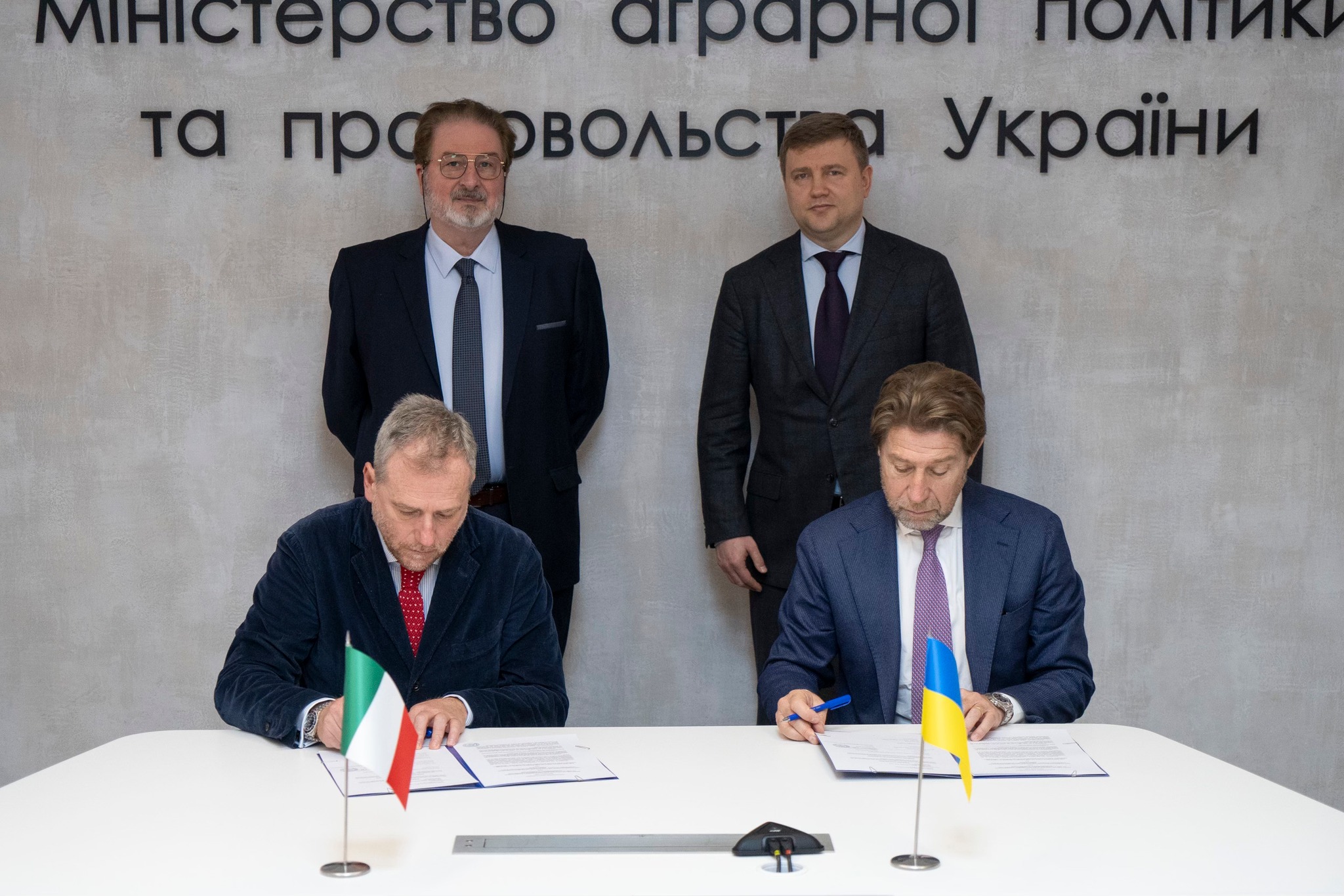
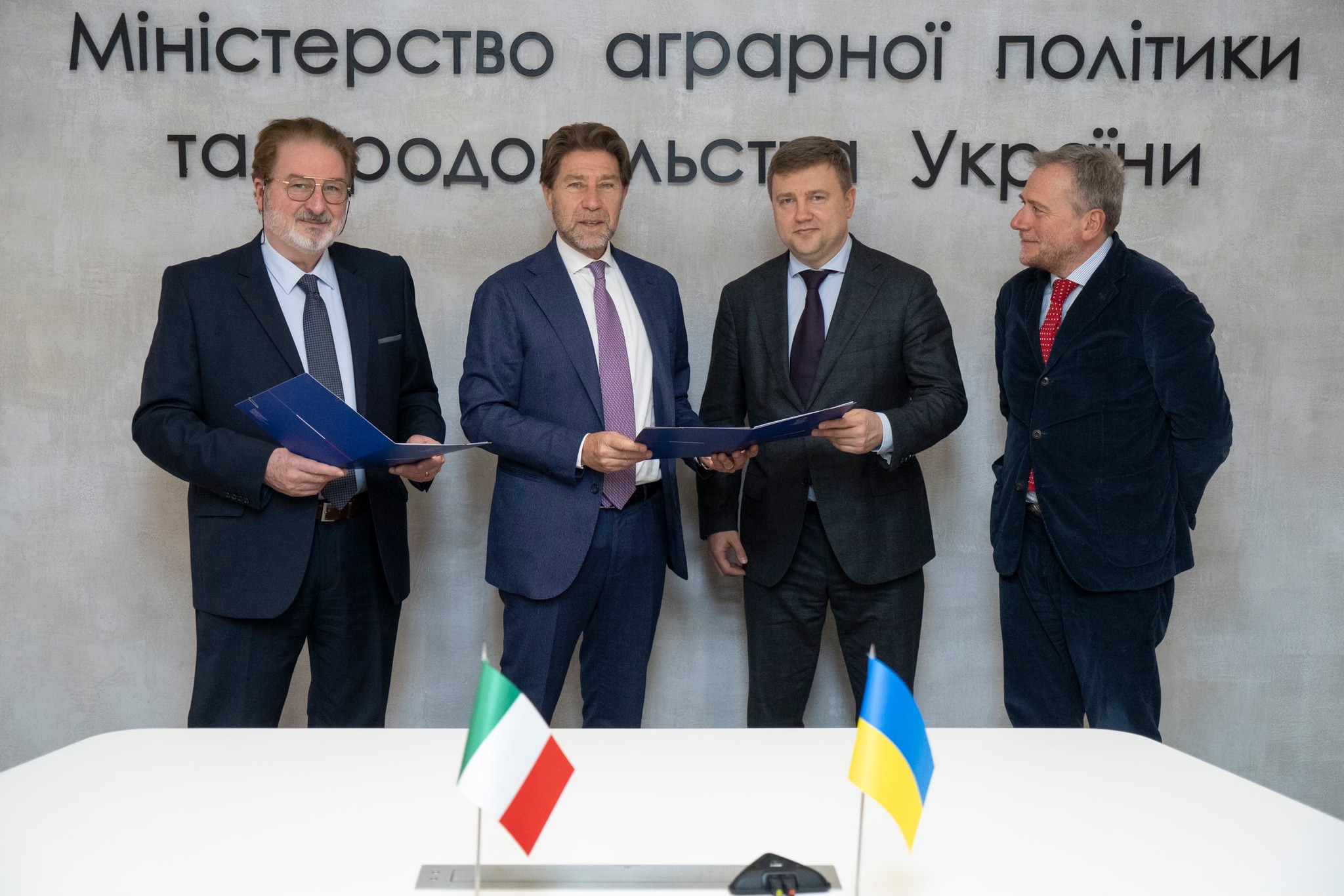
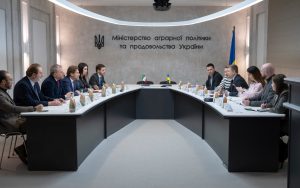
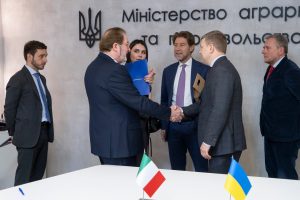
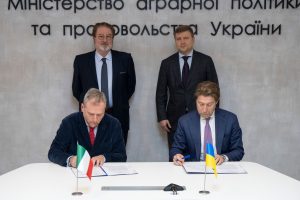
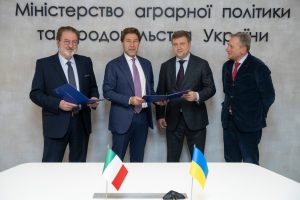
For the first time, CIHEAM Bari will be active in Ukraine as part of an initiative seeking to promote sustainable agricultural development and enhance food security in the rural areas of the Odessa Oblast.
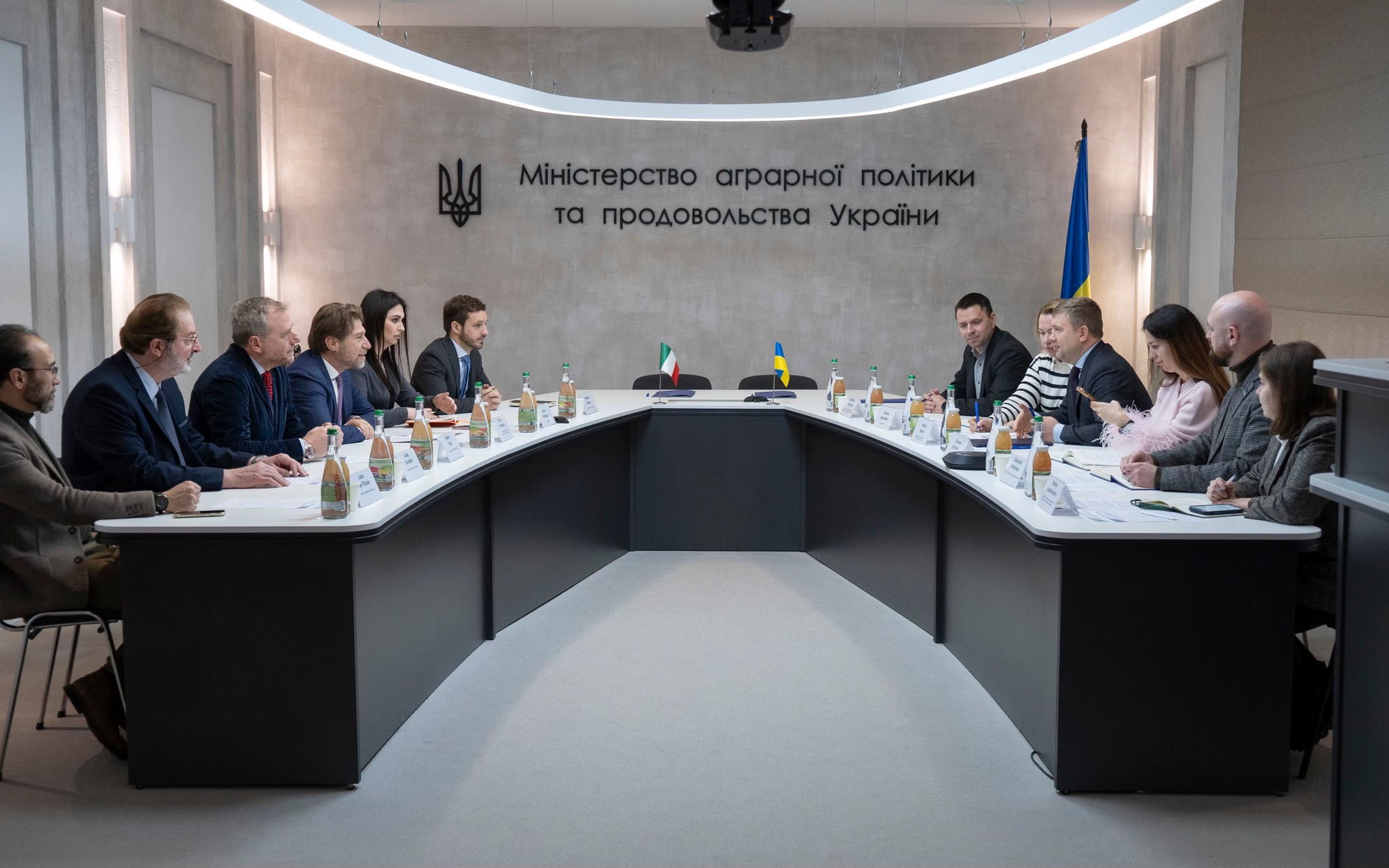
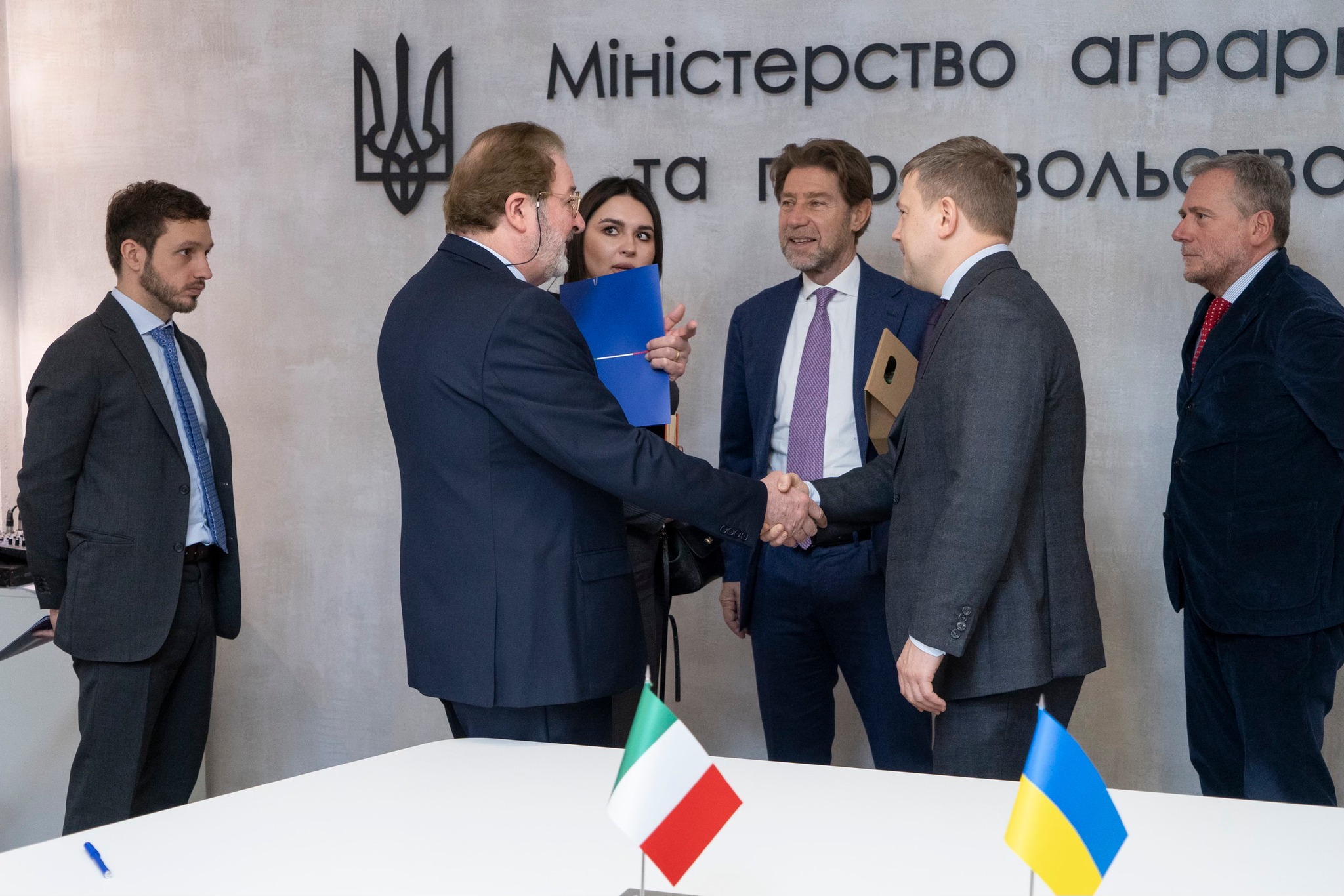
The agreement to launch the Pro.UKR project, funded by Ministry of Foreign Affairs and International Cooperation through the Italian Agency for Development Cooperation, was signed in Kyiv with Ukraine’s Minister of Agriculture, Vitaly Koval, attending the event.
The programme, led by CIHEAM Bari in partnership with Ukraine’s Ministry of Agriculture and the Odessa Regional Administration, will be implemented in the central area of Odessa region. It aims to boost the technical and productive capacities of local farmers by providing resources for agricultural and livestock production, introducing innovative technologies, and promoting sustainable irrigation systems. Furthermore, the project will support the development of small farmers’ associations and assist the Ministry of Agriculture in aligning with the EU Acquis Communautaire.
The initiative is part of Italy’s commitment to supporting Ukraine’s economic recovery and tangibly contributes to the resilience of the country’s agri-food sector in the ongoing challenging scenario.
Il CIHEAM Bari, partner della sezione Meridiana del Bif&st, ospiterà domani, 25 marzo alle ore 11.30, la delegazione della giuria del concorso internazionale dedicato ai film in anteprima italiana provenienti dai Paesi del Mediterraneo. L'incontro rappresenta un'importante occasione di confronto su visioni e valori condivisi, perfettamente in linea con la missione dell'Istituto: costruire ponti tra le sponde del Mediterraneo attraverso conoscenza, cultura e dialogo.
La delegazione sarà composta da figure di spicco del panorama culturale e cinematografico internazionale. Il presidente della giuria, Tahar Ben Jelloun, scrittore francese di origine marocchina, guiderà il gruppo formato dalla regista siriana Soudade Kaadan, nata in Francia e residente a Londra, dalla comparatista e italianista Nadine Wassef dell'Ain Shams University del Cairo, dal regista italo-albanese Roland Sejko, direttore della redazione editoriale dell'Archivio Storico Luce a Roma, e dalla sceneggiatrice e critica cinematografica Antonella Gaeta. Sarà inoltre presente il critico cinematografico, giornalista e saggista Oscar Iarussi, direttore artistico del Bari International Film & TV Festival (BIF&ST). Ad accogliere la delegazione sarà il direttore del CIHEAM Bari, Maurizio Raeli.
Dopo la visita al Campus, i membri della giuria avranno l'opportunità di incontrare funzionari e borsisti provenienti da diversi Paesi del Mediterraneo.
Le proiezioni del concorso Meridiana si svolgono al Kursaal Santalucia e saranno valutate dalla giuria internazionale di cineasti e studiosi mediterranei. Saranno assegnati cinque riconoscimenti: miglior film, miglior regia, miglior attore, miglior attrice e miglior contributo tecnico.
Il nome della sezione Meridiana trae ispirazione dalla figura di Albert Camus e dal saggio Il pensiero meridiano del sociologo barese Franco Cassano, scomparso nel 2021. In quest'opera, Cassano postula la necessità di "pensare la frontiera", reinterpretando le metafore letterarie di Camus, Pasolini e Angelopoulos e rifiutando l'idea di un Sud stereotipato tra "paradiso turistico e incubo mafioso". In suo onore è stato istituito il Premio Meridiana "Franco Cassano" per il miglior film, a riconoscimento del pensiero e dell'eredità culturale del grande intellettuale barese.

Si è tenuta il 19 marzo, nella Pinacoteca Corrado Giaquinto di Bari, la conferenza stampa di presentazione del Premio ArpAmare 2025, organizzato per il quinto anno consecutivo dall'Agenzia Regionale per la Prevenzione e Protezione dell'Ambiente (Arpa Puglia).
«Siamo davvero lieti e orgogliosi di partecipare per la quinta volta al Premio Arpamare, -la dichiarazione di Maurizio Raeli, direttore del CIHEAM Bari- un riconoscimento che celebra la cultura e il suo legame con il mare. La Puglia, con i suoi 900 km di costa, ha un’identità profondamente legata al mare, e questa è un’occasione preziosa per rafforzare il connubio tra le arti visive e l’ambiente marino. La nostra regione ha dato i natali a grandi pittori come Spizzico, De Nittis, Schifano e Ciardo, che hanno saputo rappresentare la bellezza, il mistero e la profondità del mare. Tuttavia, oggi il mare è minacciato quotidianamente dai cambiamenti climatici, dall’inquinamento da plastica e dal sovrasfruttamento ittico. Per questo, è fondamentale promuovere una cultura della tutela e della sostenibilità. Non a caso, la Puglia è la seconda regione italiana per numero di Bandiere Blu. La nostra Organizzazione, in particolare attraverso la sede di Tricase, è attivamente impegnata in iniziative di ricerca e cooperazione per la salvaguardia della biodiversità marina e per promuovere lo sviluppo sostenibile delle comunità costiere a livello locale, nazionale, nel Mediterraneo e oltre».
L'evento ha visto la partecipazione, tra gli altri, di Paola Romano, assessora alla Cultura della Città Metropolitana di Bari, Serena Triggiani, assessora all’Ambiente della Regione Puglia, Vito Bruno, direttore generale di Arpa Puglia, Maurizio Giani, direttore marketing e Sviluppo Iniziative – Herambiente (ideatore del progetto Scart), Pasquale Guaragnella, presidente dell’Accademia di Belle Arti di Bari, Nicola Ciracì, presidente Accademia di Belle Arti di Lecce, Francesco Arrivo, direttore Accademia di Belle Arti di Foggia.
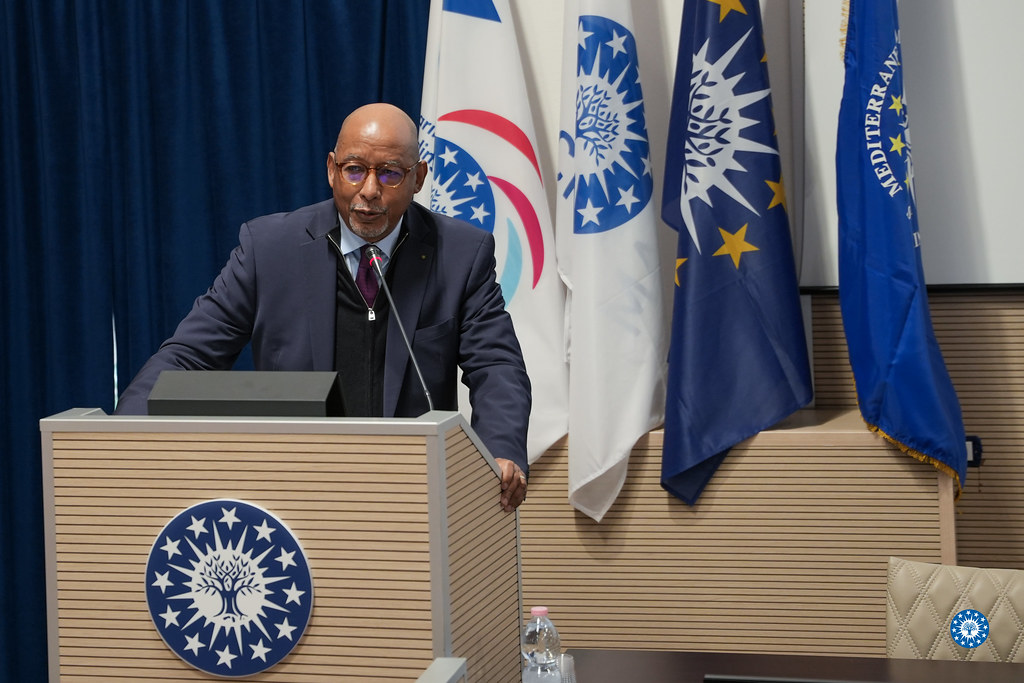
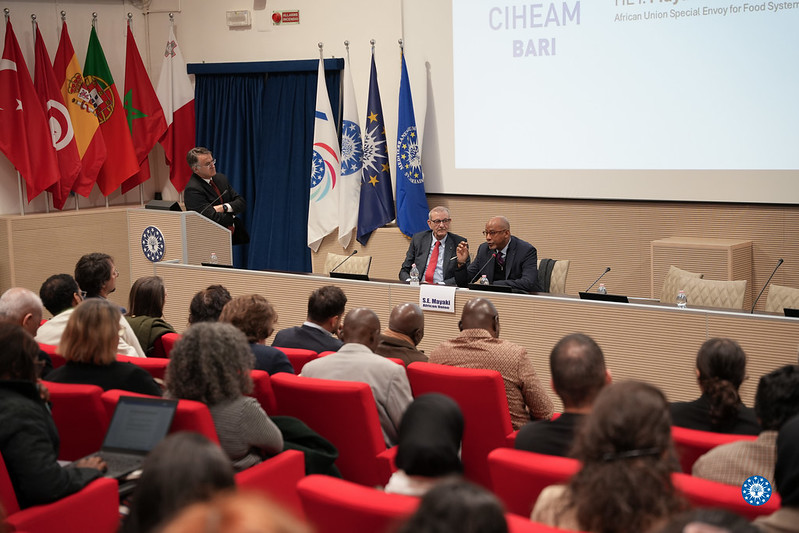
Il 17 e 18 marzo, il CIHEAM Bari ha ospitato Ibrahim Assane Mayaki, inviato speciale dell’Unione Africana per la trasformazione dei sistemi alimentari ed ex primo ministro della Repubblica del Niger e di Auda-Nepad. La visita ha rappresentato un’importante opportunità di confronto sui temi della sicurezza alimentare, della cooperazione internazionale e delle prospettive di sviluppo sostenibile in Africa.
Dopo una visita al Campus Cosimo Lacirignola, alle strutture di ricerca e ai laboratori del CIHEAM Bari, S.E. Mayaki ha incontrato il direttore dell’Istituto, Maurizio Raeli, e il team di esperti, per discutere su opportunità di cooperazione e partenariati strategici. Il confronto ha sottolineato l’importanza di un’azione congiunta tra le istituzioni per affrontare le sfide alimentari globali.
Nel corso della mattinata del 18, Mayaki ha tenuto una lectio magistralis dedicata al futuro dei sistemi alimentari sostenibili africani e al ruolo delle istituzioni multilaterali. Il seminario, rivolto alla comunità internazionale degli studenti dei Master del CIHEAM Bari, ha coinvolto giovani provenienti da 20 Paesi, evidenziando il valore della formazione e dello scambio di conoscenze per il rafforzamento delle capacità locali.
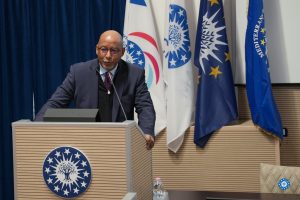
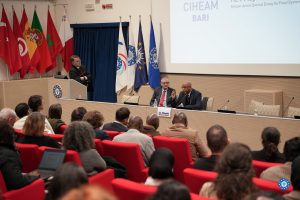
Mayaki ha sottolineato la necessità di adottare strategie regionali efficaci, individuando tre fattori chiave per la trasformazione dei sistemi alimentari africani: supporto ai piccoli agricoltori, che producono l’80% del cibo del continente, per ridurre la dipendenza dalle importazioni, attualmente pari a circa 70 miliardi di dollari all'anno; approccio regionale integrato, per creare mercati più efficienti e favorire il commercio intra-africano; contrasto alla malnutrizione, con strategie basate su evidenze scientifiche.
Mayaki ha elogiato il contributo dell’Italia alla cooperazione con l’Africa, ricordando la costante attenzione del Paese ai temi africani durante la presidenza del G7. Ha anche evidenziato il forte legame storico tra il Niger e l’Italia, specialmente nelle iniziative contro la desertificazione degli anni ’70 e ’80.
Ponendo una riflessione provocatoria: «Quando si hanno difficoltà a nutrire 1,3 miliardi di persone, come si farà (nel 2050) con 2,5 miliardi?», Mayaki ha illustrato il percorso della Dichiarazione di Kampala sul CAADP (Programma Completo per lo Sviluppo dell’Agricoltura in Africa) e della Strategia e Piano d’Azione Decennale (2026-2035), che guideranno la trasformazione dei sistemi agroalimentari africani nei prossimi dieci anni. Tra le criticità da affrontare, l’inviato speciale dell’UA ha evidenziato l’urbanizzazione, ossia la difficoltà di distinguere tra aree rurali e urbane che complica la pianificazione, e l’importanza di fornire strumenti scientifici agli agricoltori, soprattutto ai piccoli produttori, per migliorare l’adattamento alle sfide climatiche. Ha inoltre sottolineato l’importanza di testare le soluzioni a livello locale prima di applicarle su larga scala e ha ribadito la necessità di creare una sinergia tra piccoli agricoltori e industria agroalimentare, per garantire uno sviluppo equilibrato.
Mayaki ha enfatizzato il valore dei partenariati tra Africa ed Europa, affermando che «i vicini non possono essere in conflitto, ma devono lavorare insieme». Ha suggerito che l’Europa potrebbe sostenere l’industrializzazione africana a partire dal settore alimentare, che attualmente assorbe il 40% dei posti di lavoro nel continente, contribuendo a contrastare la migrazione e a promuovere la mobilità sostenibile.
Dopo l’incontro a Bari, Mayaki si è recato a Tricase (LE) per visitare la sede distaccata del CIHEAM Bari. Qui ha incontrato gli esperti del centro per discutere strategie comuni sulla blue economy, settore chiave per lo sviluppo sostenibile delle comunità costiere. La visita ha messo in luce il valore strategico delle risorse marine e della cooperazione scientifica per lo sviluppo economico e ambientale dell'Africa.
La presenza di Ibrahim Assane Mayaki al CIHEAM Bari ha rappresentato un’importante occasione di scambio e riflessione sul futuro dei sistemi alimentari in Africa. Il dialogo con gli esperti, la lectio magistralis e le visite ai centri di ricerca hanno confermato la necessità di promuovere partenariati intelligenti tra Africa ed Europa, per affrontare le sfide della sicurezza alimentare e della sostenibilità, trasformando le idee in azioni concrete per il futuro. «Generando un impatto locale attraverso le migliori pratiche -le parole di S.E. Mayaki al termine della sua visita- portate una visione positiva. Se 1000 CIHEAM operassero nel mondo, si innescherebbe una vera rivoluzione agricola».

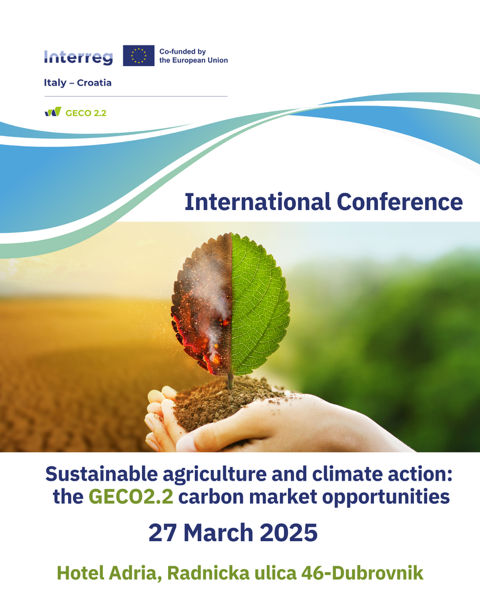
The international conference titled "Sustainable Agriculture and Climate Action: The GECO2.2 Carbon Market Opportunities" will be held in Dubrovnik on March 27. This conference will focus on the activities of the GECO2.2 (Green Economy and CO2.2) project, funded by the INTERREG Italy-Croatia Programme.
The GECO2.2 project was initiated as a continuation of the successful GECO2 project, which established the first experimental voluntary market for carbon credits derived from agricultural activities. An additional key objective of the GECO2.2 project is to enhance sustainability and promote the fight against climate change by introducing new practices that help offset a portion of greenhouse gas emissions.
The purpose of this conference is to present the key concepts of the project to institutions, farmers, and buyers, as well as to provide an update on its progress, particularly the contributions made by the Dubrovnik-Neretva Region. In recent months, the Dubrovnik-Neretva Region has made significant strides in two crucial areas that will greatly benefit the next phases of the project. These include conducting an analysis of the Proposal for a Regulation of the European Parliament and the Council to identify compliance and differentiation between the GECO2.2 model and the aforementioned documents, as well as an in-depth analysis of similar projects identified as either comparable to or exemplary in terms of best practices. This conference presents an excellent opportunity to enhance the project's visibility, disseminate key findings, and gather valuable feedback from participants (stakeholders) who play a vital role in the project's success.
The GECO2.2 project partners include Legacoop Romagna (Emilia-Romagna Region’s associated partner), CIHEAM Bari (Puglia Region’s associated partner), Coldiretti Molise, Legacoop Marche, Zadar County Rural Development Agency (Ministry of Agriculture’s associated partner), OGAM - Olive Growers Association Mastrinka, and the Dubrovnik-Neretva Region.