Beni Suef, Egypt | 20 September 2026
H.E. Mr. Alaa Farouk, Minister of Agriculture and Land Reclamation, visited Effwa Village in Beni Suef Governorate on 20 September 2026 to review rural development activities under Egypt’s Productive Village Initiative, including the beekeeping intervention implemented by Greening the Future of Rural Communities in Vulnerable Areas in Upper Egypt, a project funded by Italy through the Italian Agency for Development Cooperation (AICS).
The Minister was accompanied by Major General Abdullah Abdel Aziz, Governor of Beni Suef, and Mr. Bilal Habash, Deputy Governor of Beni Suef.
The delegation also included Dr. Saad Musa, Vice President of the Agricultural Research Center (ARC), Head of Foreign Agricultural Relations and National Coordinator of Greening the Future, and Mr. Gianluca Nocera, International Coordinator of the project.
The visit provided an opportunity to review ongoing rural development activities in Effwa and examine how locally adapted agricultural and income-generating activities contribute to the wider objectives of the Productive Village Initiative.
From Pilot to Productive: Greening the Future’s Beekeeping Results in Effwa
A central part of the ministerial visit focused on the beekeeping intervention implemented under Greening the Future, which contributes to Egypt’s Productive Village Initiative through practical activities supporting local production and rural livelihoods.
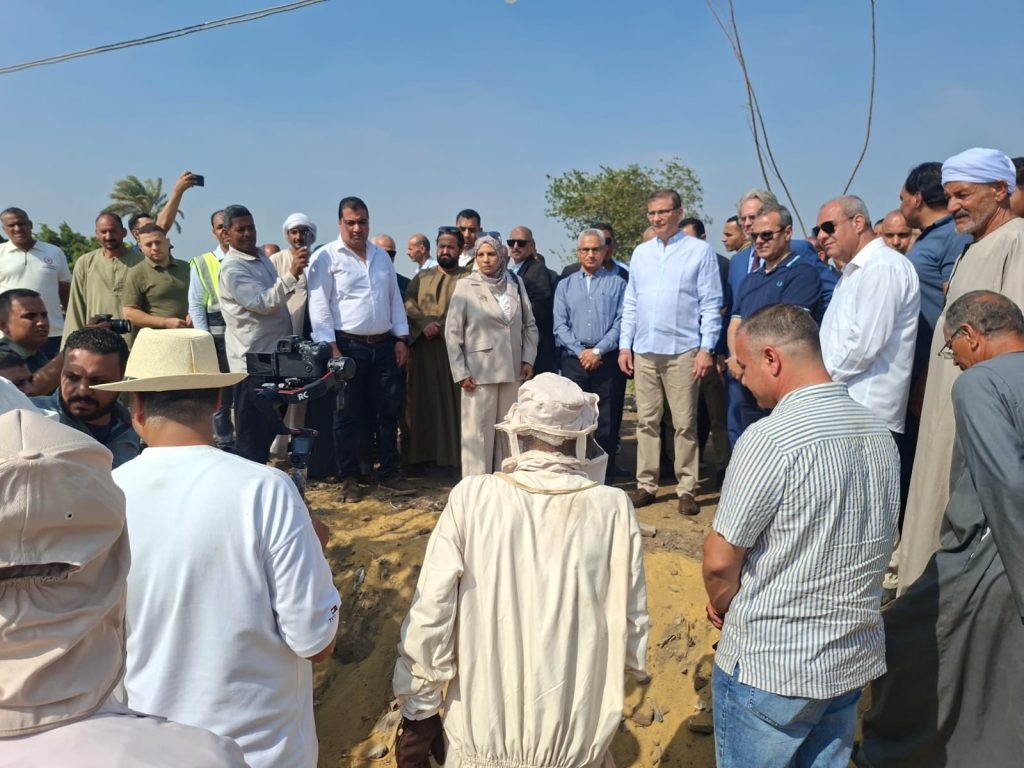
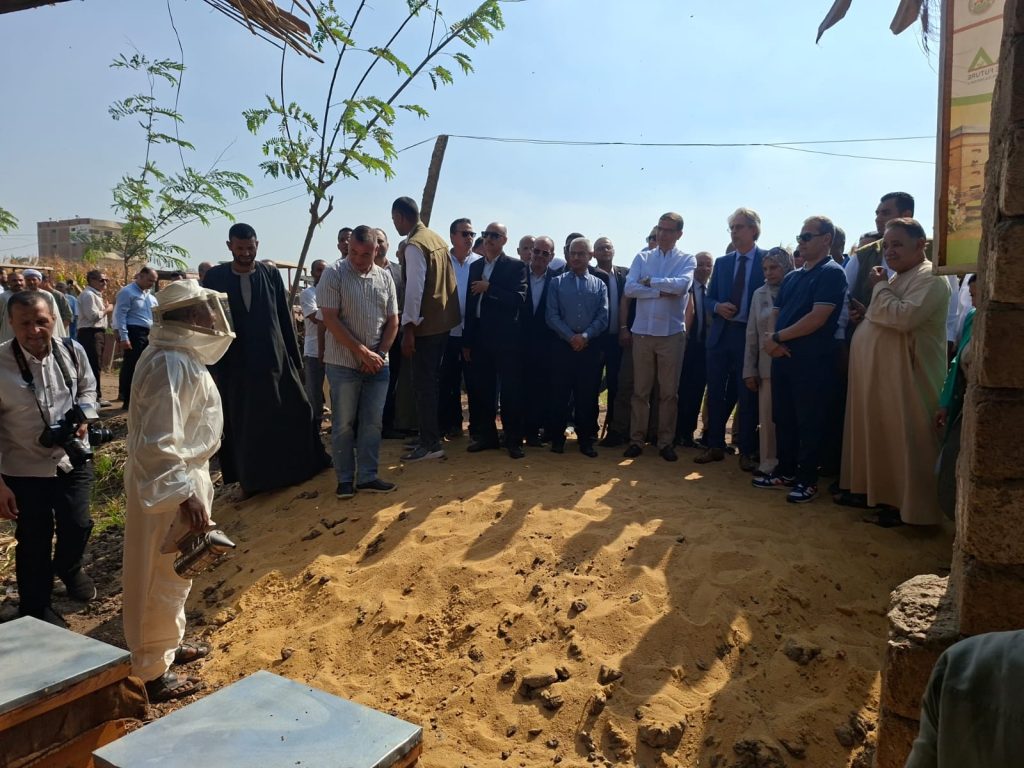
The delegation visited three of the project’s 17 apiary locations. Through this intervention, Greening the Future has established 17 apiaries equipped with a total of 850 modern beehives.
Each apiary is cooperatively managed by a group of five beekeepers and equipped with 50 modern hives. By combining practical training, modern equipment and cooperative management, the project builds on local producers’ knowledge and experience to strengthen their productive capacities and support honey production.
During the visit, participating beekeepers shared their experiences directly with the Minister, explaining how they are applying the training received, managing the modern hives and organising production through their cooperative groups.
Following the first honey-harvesting cycle, participating apiaries reported initial production ranging from 100 to 120 kg of honey per apiary.
The first harvest represents an early production result of the project’s beekeeping intervention. Continued monitoring will help document production performance, cooperative management and the economic outcomes for participating beekeepers.
Ministerial Approval for Additional Apiaries
Following discussions with participating beekeepers and a review of the initial results, the Minister approved the provision of 25 additional apiaries to support more families in the community.
The approval builds on the initial results of the beekeeping intervention and presents an opportunity to extend the cooperative production approach within the broader Productive Village Initiative.
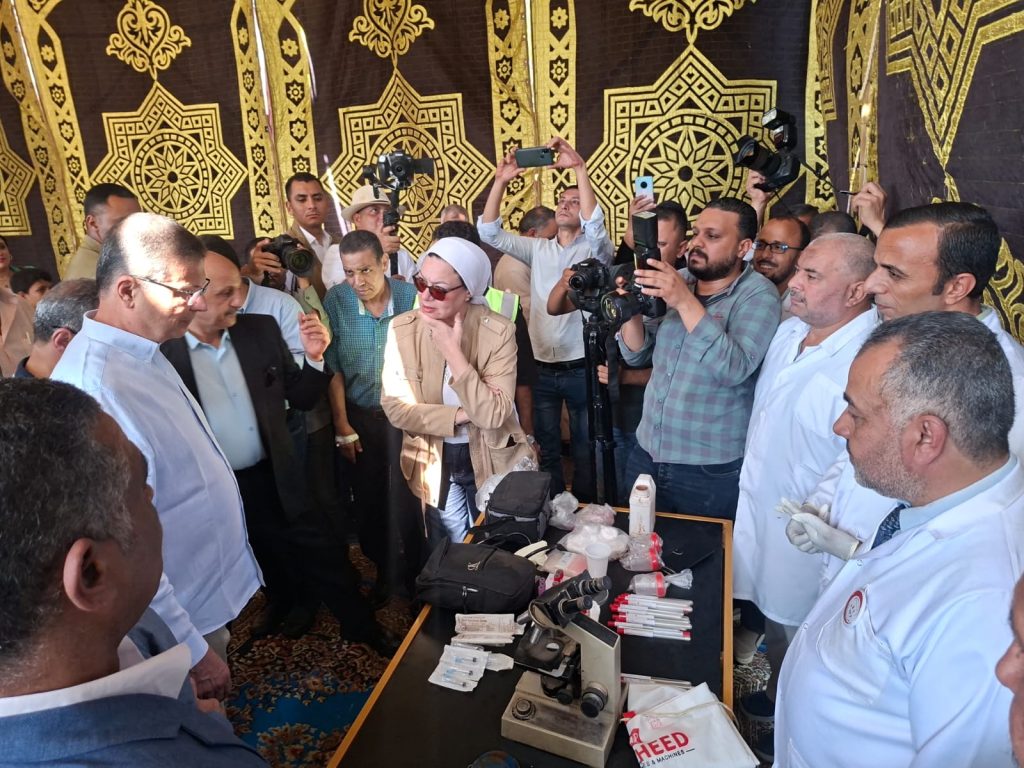
As part of the wider ministerial visit, the delegation also toured an exhibition showcasing products developed under the Productive Village Initiative and reviewed services provided by Ministry of Agriculture research institutions.
The delegation inspected a veterinary support convoy serving local farmers and livestock breeders, reviewed improved livestock activities and visited the proposed site for a dairy collection and processing unit. The visit also included fields cultivating Al-Rayyan hybrid sorghum for animal feed.
These activities form part of the wider rural development efforts reviewed during the visit, alongside the beekeeping intervention implemented by Greening the Future.
Strengthening Rural Development through Institutional and Community Partnerships
The beekeeping intervention in Effwa illustrates Greening the Future’s contribution to Egypt’s Productive Village Initiative through an integrated approach that brings together local knowledge, practical training, productive assets and institutional cooperation.
Implemented in four pilot villages—Awlad Elyas in Asyut, Beni Helal in Sohag, Effwa in Beni Suef and Elysha in Beheira—the project works with Egyptian institutions and rural communities to support sustainable agriculture, youth entrepreneurship and women’s economic participation.
The experience in Effwa will contribute to the project’s ongoing efforts to document lessons from its pilot villages and assess their relevance for future rural development approaches.
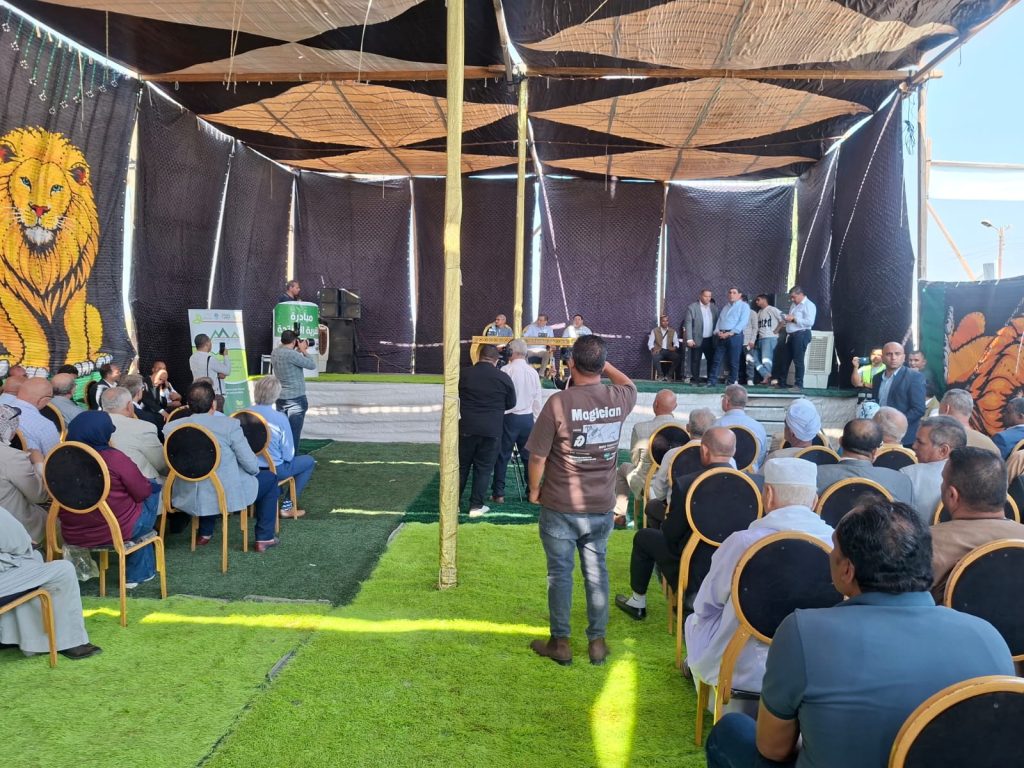
The ministerial visit also provided an opportunity for direct exchange between national and local authorities, project representatives and participating beekeepers, highlighting the role of institutional cooperation and community participation in supporting rural development.
About Greening the Future
Greening the Future of Rural Communities in Vulnerable Areas in Upper Egypt (AID 12941) a project funded by Italy through the Italian Agency for Development Cooperation (AICS) and implemented by CIHEAM Bari in partnership with the Egyptian Ministry of Agriculture and Land Reclamation, through the Agricultural Research Center (ARC).
The project works in four pilot villages to improve rural livelihoods through sustainable agricultural practices, youth entrepreneurship and women’s economic participation, while documenting evidence and lessons from an integrated approach to rural development.