From 11 to 13 May 2026, CIHEAM Bari participated in the “Study Visit to the Barcelona Living Lab”, organised within the framework of the FutureFoodS Partnership in Spain. The initiative, entitled “Transition Design for Complex and Persistent Problems of the Food System: the Case of Food Environment Transformation”, brought together around 50 participants representing a wide range of European stakeholders, including Living Lab facilitators, academics, researchers, innovators, public authorities, civil society organisations, and agrifood actors committed to the transformation of sustainable food systems.
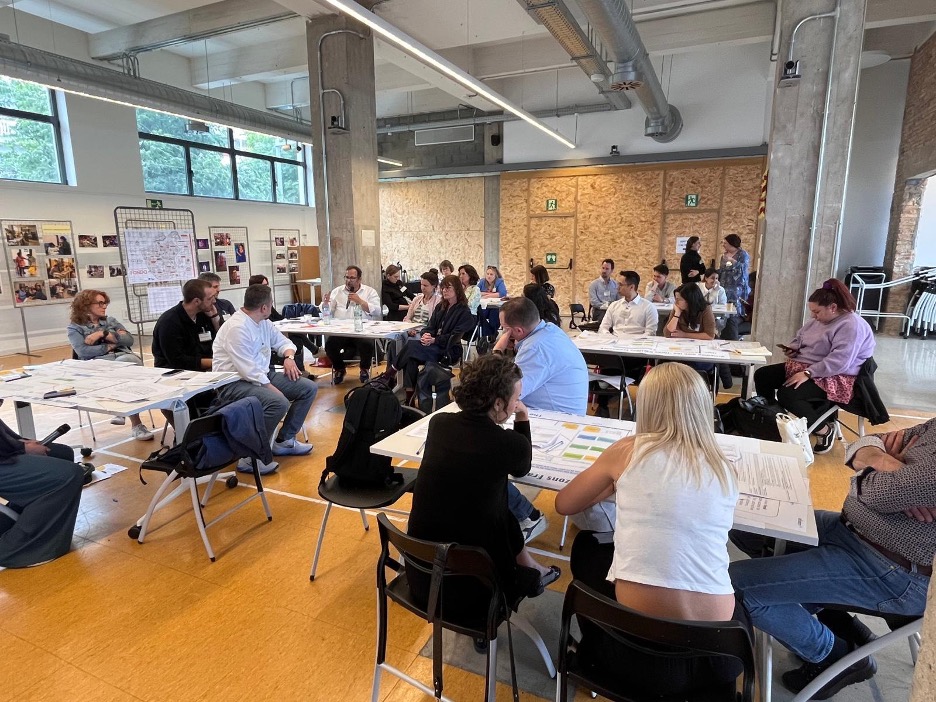
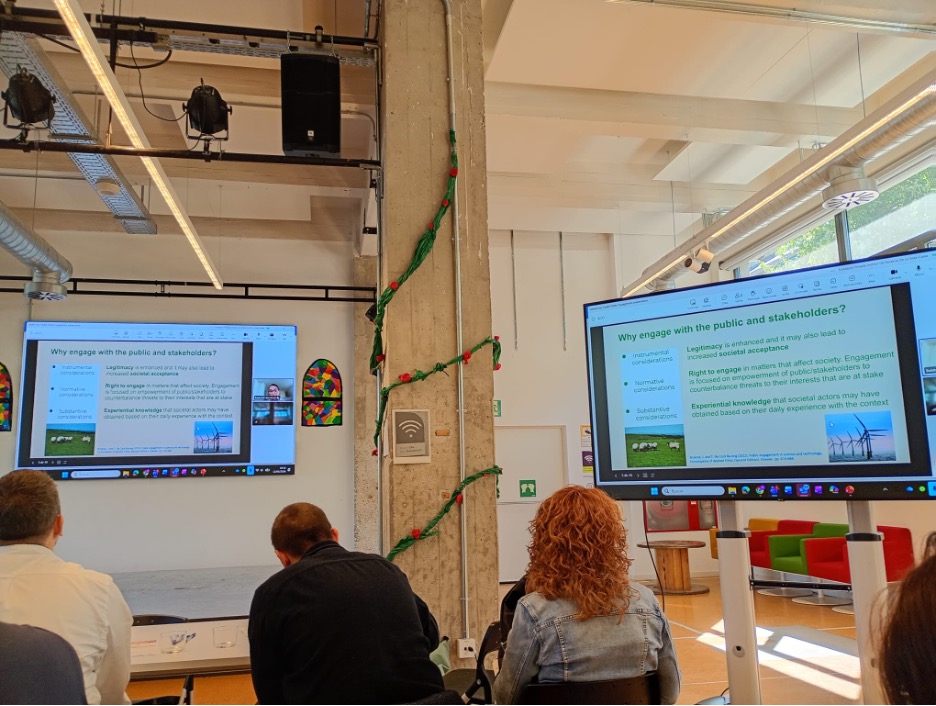
As a partner of Work Package 6 (WP6) and leader of Task 6.5 on Living Labs networking and stakeholder engagement, CIHEAM Bari, represented by Dr Noureddin Driouech, actively contributed to peer-learning and exchange activities aimed at strengthening participatory approaches and collaborative innovation for sustainable food systems transitions.
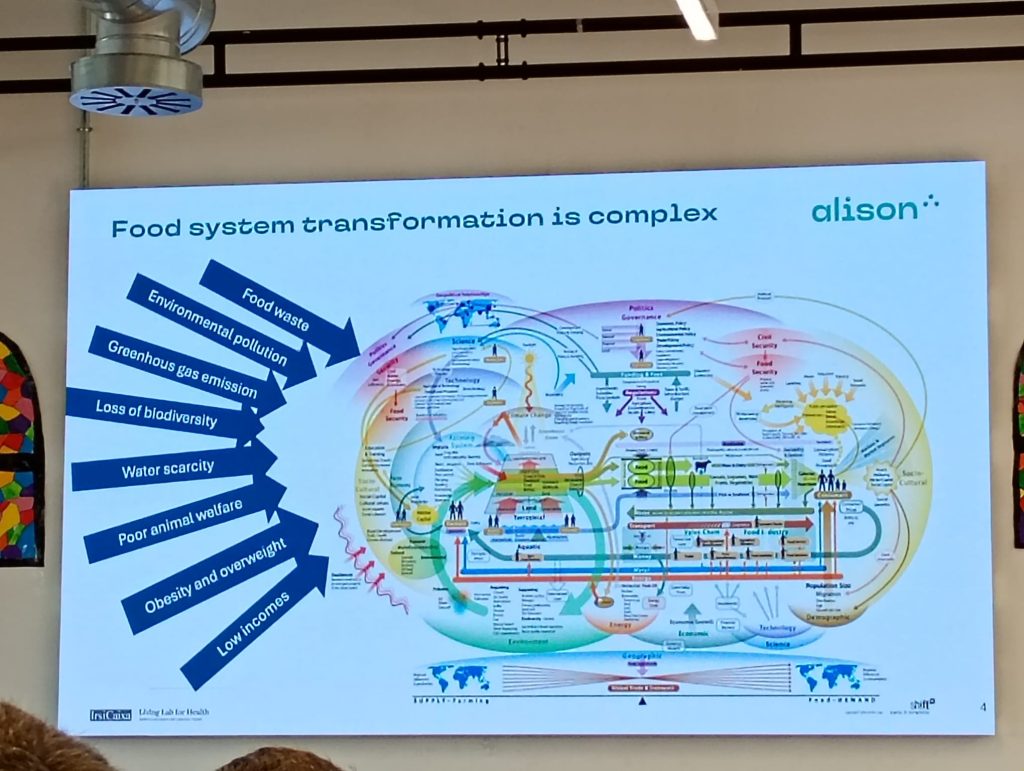
Hosted by the Living Lab for Health at IrsiCaixa, the study visit offered an immersive and hands-on learning experience focused on how systems thinking, community-based participatory research, and transition design can support collaborative experimentation and policy innovation in food systems.
Participants explored a real-life case study on food environment transformation in vulnerable neighbourhoods of Barcelona, co-creating reflections on barriers, opportunities, governance mechanisms, and strategies for systemic change. The initiative highlighted how pilot actions, multi-stakeholder collaboration, and transition roadmaps can generate sustainable and long-term impact across different levels of governance.
The programme included interactive workshops on the “Three Horizons Framework”, transition design methodologies, policy co-design, and field visits to community-based food initiatives in the Fondo neighbourhood of Santa Coloma de Gramenet.
A central component of the study visit was the presentation of the Barcelona Living Lab ecosystem, where a vibrant Community of Practice involving more than 100 organisations is already advancing food system transformation through collaborative and systemic approaches. The initiative is supported by several EU-funded projects, including FoodCLIC, FOSTER, and CLEVERFOOD, in synergy with the FutureFoodS Partnership.
CIHEAM Bari’s participation further reinforced its commitment to promoting Living Labs methodologies, stakeholder engagement, and innovation ecosystems across the Mediterranean and Europe. Through its leadership, CIHEAM Bari contributes to the development ofcollaborative learning environments capable of connecting research, policy, local communities, and innovation actors to foster more resilient, inclusive, and sustainable food systems.
The study visit also created opportunities for networking, peer exchange, and mutual learning among European stakeholders, while encouraging reflection on how these participatory approaches can be replicated and adapted to address other persistent challenges affecting food systems across Europe and the Mediterranean region.
Learn more about the FutureFoodS Partnership: https://www.futurefoodspartnership.eu/