What happens when women working across the Mediterranean olive value chain come together to share knowledge, experiences and ideas?
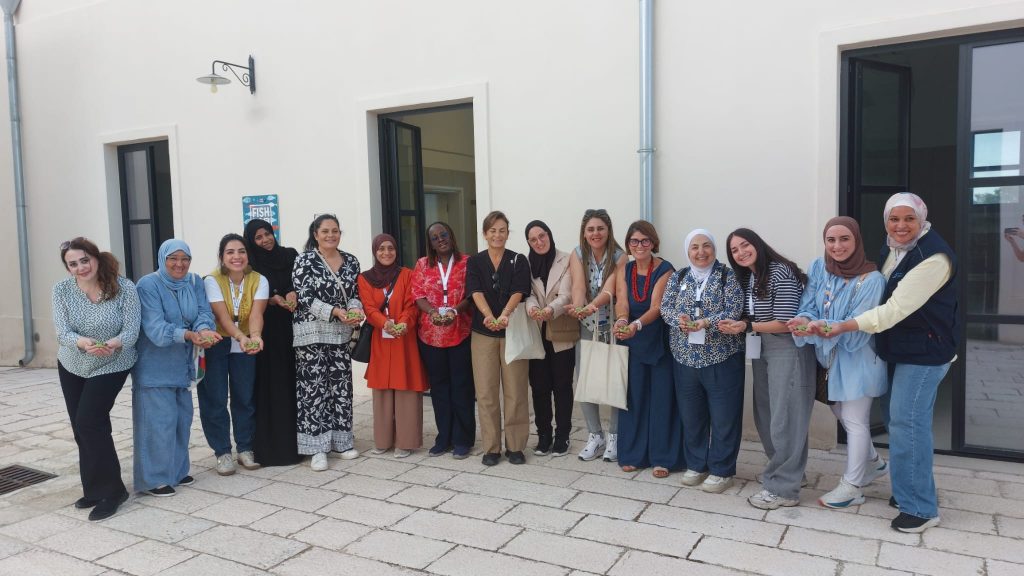
For four days, Apulia became a meeting place for women olive producers, entrepreneurs, cooperative members and technical experts from the Near East and North Africa (NENA) and Italy, who came together for MOSAIC 2026 – Mediterranean Olive Sisters Across International Chains.
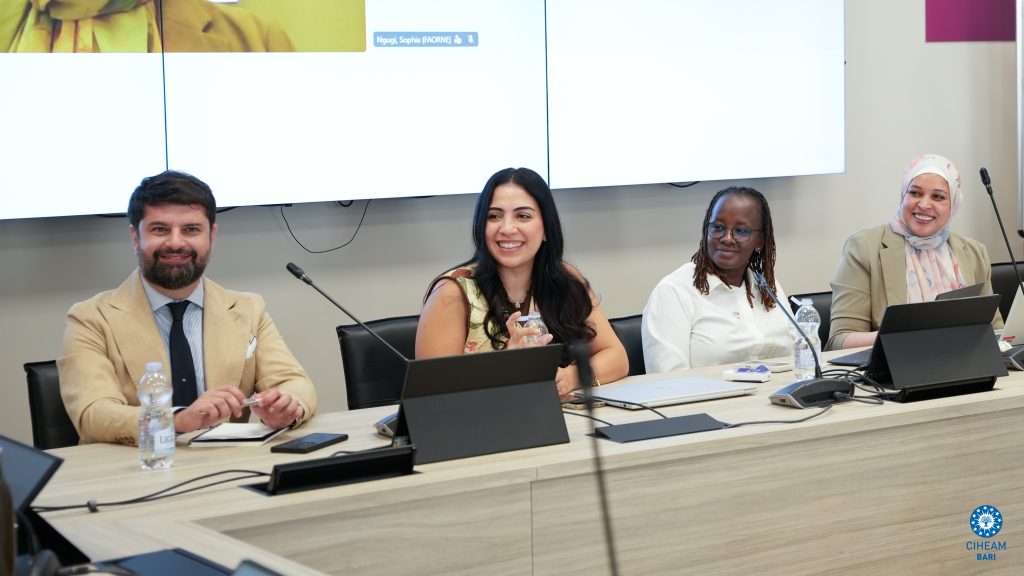
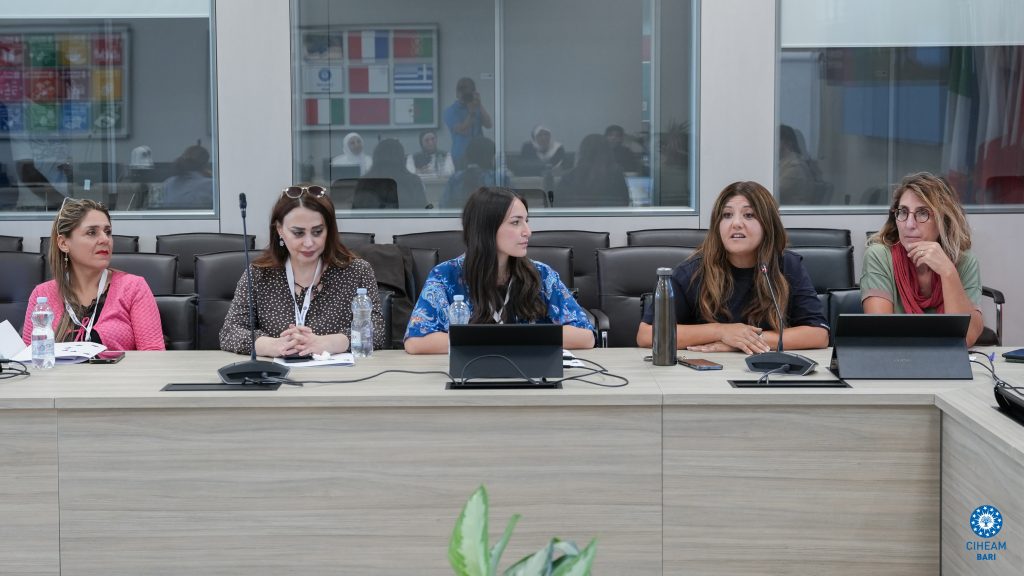
The journey began at CIHEAM Bari, where participants exchanged experiences and explored different perspectives on olive production, research, quality and value chains. From there, the programme moved across Apulia, bringing the group closer to women and local actors working in different parts of the sector.
Held in the framework of the International Year of the Woman Farmer 2026, promoted by FAO, MOSAIC created a space where women could learn from one another, share their experiences and look at the olive value chain through different perspectives: different approaches to organic production, processing, entrepreneurship, diversification and local innovation. Each experience offered a new perspective on how knowledge, resources and networks can contribute to more sustainable and inclusive olive value chains. MOSAIC aimed to create a space for mutual learning and to strengthen connections among women working across the olive value chain.
And throughout the journey, CIHEAM Bari stayed close to the women at the heart of MOSAIC — not only by sharing its expertise and regional knowledge, but by creating connections between them and the people, initiatives and experiences they encountered in Apulia. Their conversations also made common challenges visible. Access to knowledge, markets, finance and technology remains important, as does creating greater opportunities for women to take part in decision-making across the value chain.
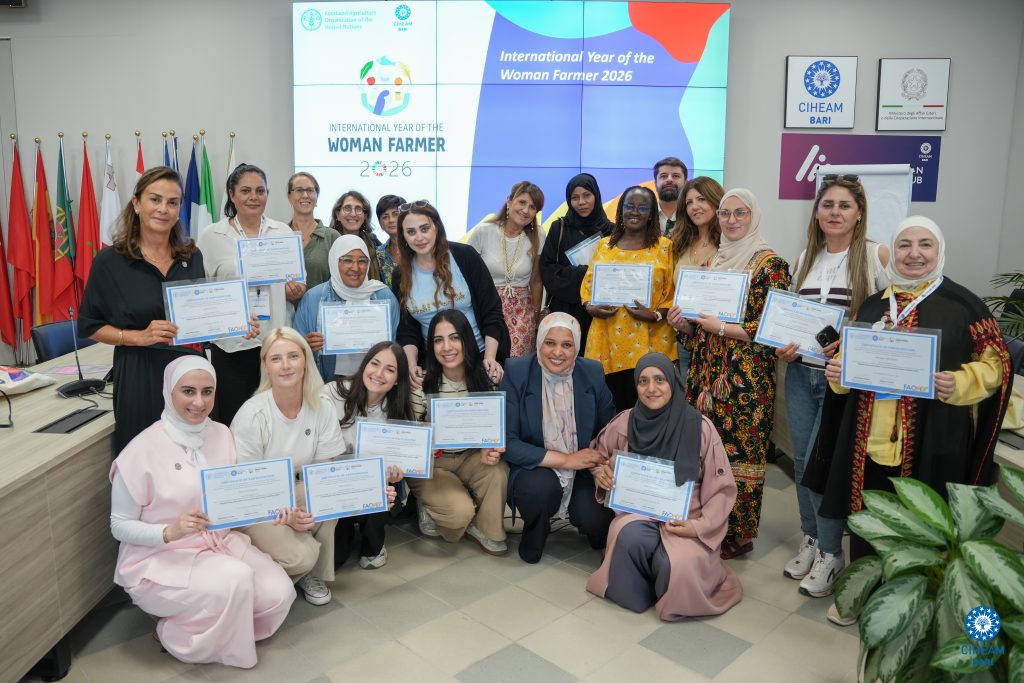
For CIHEAM Bari, MOSAIC was an opportunity to put its knowledge, networks and regional experience into dialogue with the perspectives of women working in different Mediterranean contexts — and, at the same time, to learn from them.
As CIHEAM Bari Director Biagio Di Terlizzi highlighted, “Supporting women’s exchanges and peer learning in technical sectors is crucial to promote sectoral innovation as well as their leadership, professional and personal empowerment. This journey revealed the many ways women are shaping the olive sector — as producers and processors, entrepreneurs and innovators, knowledge holders and community leaders”.
So, what happens when women across the Mediterranean olive value chain come together? Knowledge becomes connection, experience opens new possibilities, and relationships begin to grow into future collaboration.